What Is Better Liability or Full Coverage
Full coverage makes sense on a car worth repairing, liability makes sense on one that isn't, and the answer can differ by car.
The family with one teen's car and one hand-me-down
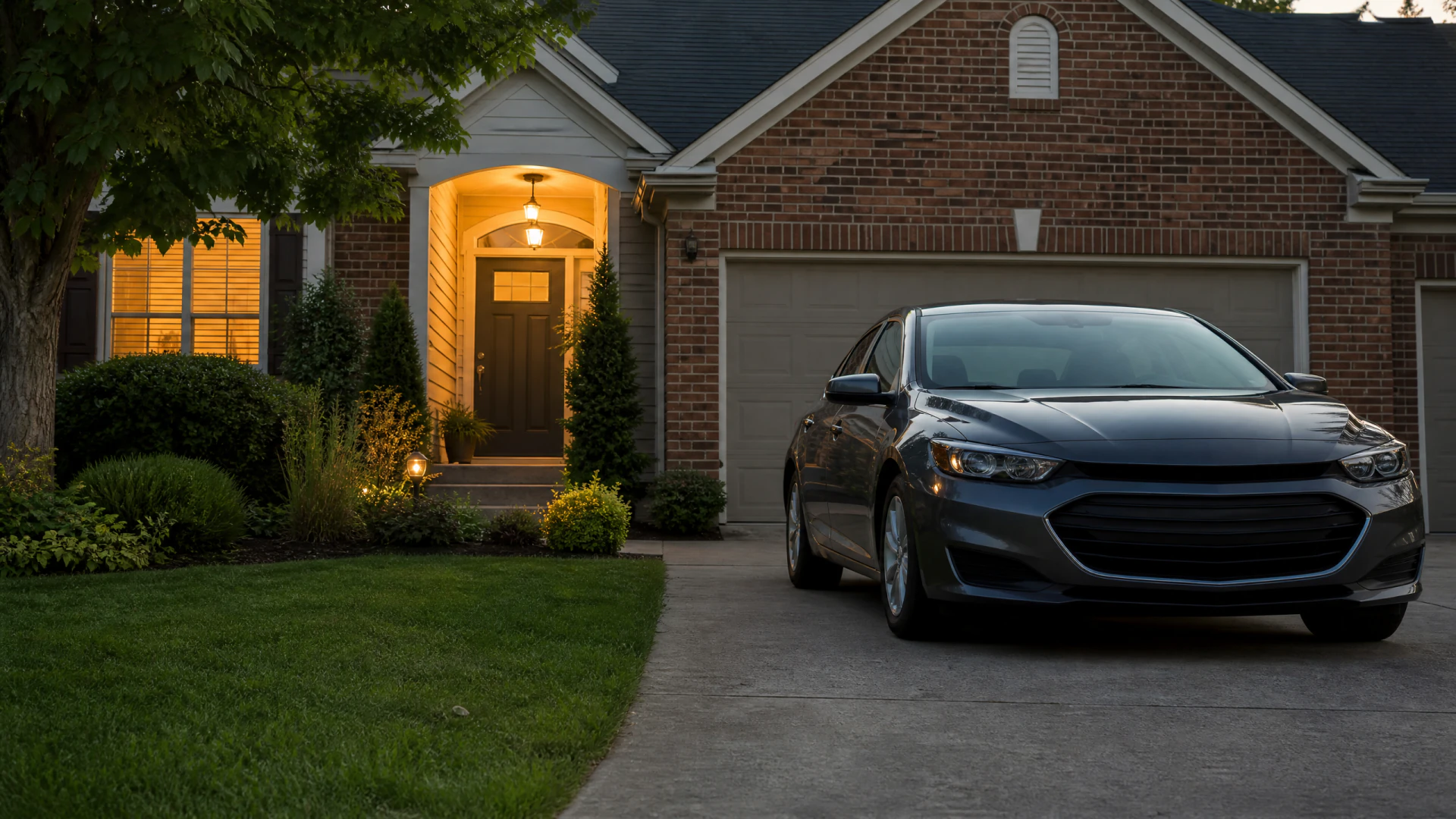
A couple had two cars on their policy. One was the newer car their daughter used to drive before she moved out, now sitting mostly idle in the driveway. The other was the older car the remaining parent drove daily. They had kept full coverage on both out of habit, the same setup they'd had for years without revisiting it.
They looked at what each car was actually worth. The older daily driver wasn't worth much anymore, and the cost of keeping full coverage on it no longer matched what the car would pay out if it were totaled. The idle car still had real value, so they kept full coverage there. They dropped to liability on the older car and kept the money they'd have spent on coverage that couldn't pay them much back. When they later sold the idle car, they revisited the decision again instead of assuming the old setup still applied.
What happens if I drop full coverage and then total the car?
If you drop full coverage and the car is totaled, you cover the cost of a replacement yourself. There's no payout for damage to your own vehicle, only for damage you cause to others or their property if you're still carrying liability.
This is the actual tradeoff, not a hidden catch. You're choosing to self-insure the value of that specific car. For a car worth little, that risk is small and the money you save on coverage every year usually outweighs it. For a car worth a lot, that risk is real money you'd have to come up with at once, which is why full coverage still makes sense there. The decision should track the car's value, not a general feeling about being cautious or not.

Now that you know which cars need full coverage and which don't, compare quotes to see what that saves you.
Why the answer depends on the car, not a general rule
Liability covers damage and injury you cause to someone else. It doesn't pay to fix or replace your own car. Full coverage adds that piece back, covering your car against collision and against other damage like theft, weather or vandalism. Every state requires some form of liability to drive legally, but nothing requires full coverage unless a lender requires it as a condition of a loan or lease.
The reason full coverage makes sense for some cars and not others comes down to one comparison, what the car is worth against what you'd pay over time to insure it that way. A car worth a lot can be expensive to replace out of pocket, so paying for coverage that would pay out that value makes sense. A car worth little can't generate a payout large enough to justify the same coverage, because insurers pay out the car's current value, not what you originally paid or what it would cost to replace with something newer.
This is why the same household often has one car on full coverage and another on liability only. It isn't inconsistent, it's the coverage matching the asset. A car that sits unused most of the year still has this same logic applied to it, its value doesn't change because it's driven less, so the decision rests on worth and your ability to replace it, not on mileage.
Where this works out differently is when a lender is involved, when the car has unusual value, or when state rules affect what liability alone actually covers. Check your loan terms and your state's minimum requirements before dropping anything, since those can override the general calculation.

The coverage decision belongs to each car's value, not to the policy as a whole or to old habits.
Should I keep full coverage on my adult child's old car if they still drive it sometimes?
Keep full coverage if the car still has real value and they drive it often enough that damage or theft would be a real cost to replace. If it's low value or driven rarely, liability likely makes more sense regardless of who's behind the wheel. What matters is the car's worth and how often it's used, not whose name is on the registration. Check whether an occasional driver needs to stay listed on your policy at all, since that affects cost more than the coverage type does.
Does dropping to liability lower my rate by a lot or just a little?
It depends on the car's value and your insurer's pricing, since there's no fixed relationship between the two. Higher value cars tend to see a bigger drop because full coverage on them costs more to begin with. Older or lower value cars may see a smaller difference, which is actually a sign full coverage wasn't costing you much anyway. The only way to know for your specific car is to compare quotes with both coverage types and look at the actual gap.
Can I switch between liability and full coverage whenever I want?
Yes, you can generally change coverage at any renewal or when you contact your insurer directly, not just at the start of a new policy. Some insurers allow mid term changes, others ask you to wait until renewal, so check your specific policy. If a lender requires full coverage as part of a loan, you won't be able to drop it until the loan is paid off. Otherwise the choice is yours to revisit anytime your situation changes.