What Is More Expensive Collision or Comprehensive
Collision almost always costs more than comprehensive, because it covers the crashes that happen far more often than other losses.
Collision costs more because crashes happen more often
Collision coverage pays when your car hits something or something hits it, a guardrail, another vehicle, a pothole. Comprehensive pays for almost everything else, theft, vandalism, fire, hail, a deer in the road. Insurers price each one based on how often it gets used and how much it costs when it does. Crashes are simply more common than most comprehensive claims, so collision carries the bigger price tag in most cases.
The gap isn't fixed though. A car that sits in a garage most of the year and only gets driven occasionally may lean more toward a comprehensive risk than a collision one. Where you live matters too. An area with a lot of hail, wildlife, or car theft can push comprehensive costs up closer to collision, sometimes past it. This varies by insurer and by state, so it's worth asking your agent how your specific cars are priced for each.
Age and value of the car also shift the math. A newer car costs more to repair after a crash, which raises collision pricing specifically. An older car with a lower value might make collision barely worth carrying at all, while comprehensive stays cheap because the payout is capped by what the car is worth.
For your situation, this matters most when you're deciding what coverage to keep on a car that's barely driven anymore. If a child's old car sits unused most of the year, you might be paying full collision pricing for a risk that's shrunk a lot, while comprehensive still makes sense for the theft or weather risk that hasn't gone away.
What to check before you trim coverage on any car
- How often it's driven A car that mostly sits still has lower crash risk than daily driver. Ask your agent if usage affects your collision pricing.
- The car's current value If repair costs would exceed the car's worth, collision coverage may not pay for itself. Get a current value estimate before deciding.
- Where the car is kept A garaged car faces less theft and weather exposure than one parked outside. Mention this, it can lower comprehensive pricing.
- Who's still driving it If a child visits and drives occasionally, their status on the policy affects both coverages. Confirm how temporary use is handled.
- Your deductible on each A higher deductible lowers your premium but raises what you pay after a claim. Review both deductibles separately, they don't have to match.
Should I drop collision but keep comprehensive on an older car?
It depends on the car's value and how it's used. If the car is worth little and would cost more to fix than it's worth, dropping collision can make sense, since the payout would be small anyway. Comprehensive is often worth keeping longer because it's usually cheaper and covers things like theft or weather damage that can total a car regardless of age.
Before deciding, get a real value estimate for the car, not a guess. Compare what you're paying for collision against what the car would actually be worth in a claim. If the numbers are close, keeping it costs you little for real protection. If the premium is high relative to the payout, dropping it is reasonable.
This is also a good moment to ask whether the car still needs to be on your policy at all, especially if it's rarely driven or if an adult child plans to insure it separately.
Once you know which coverage fits each car now, compare quotes to see what the updated policy should actually cost.
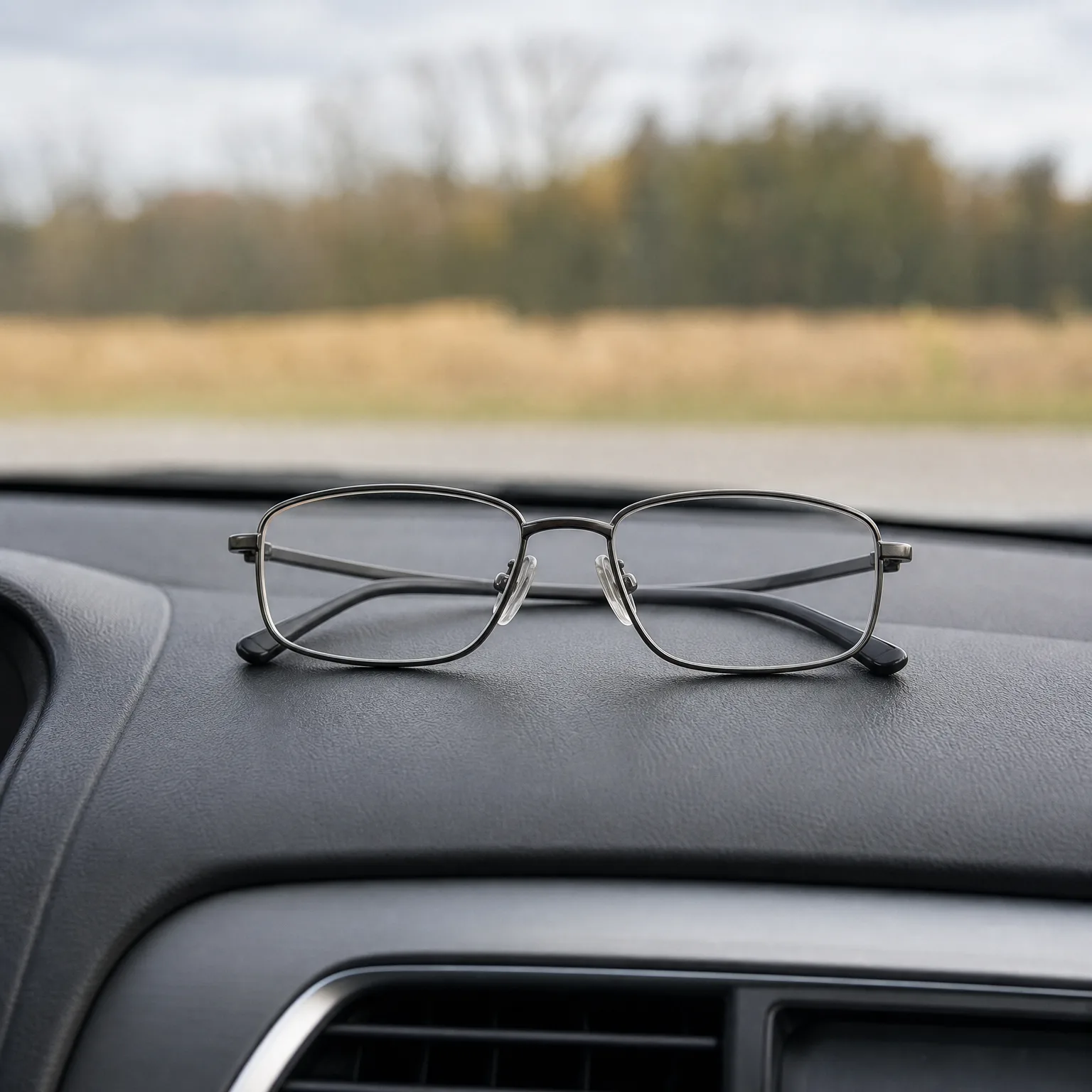
The extra car nobody's really using anymore
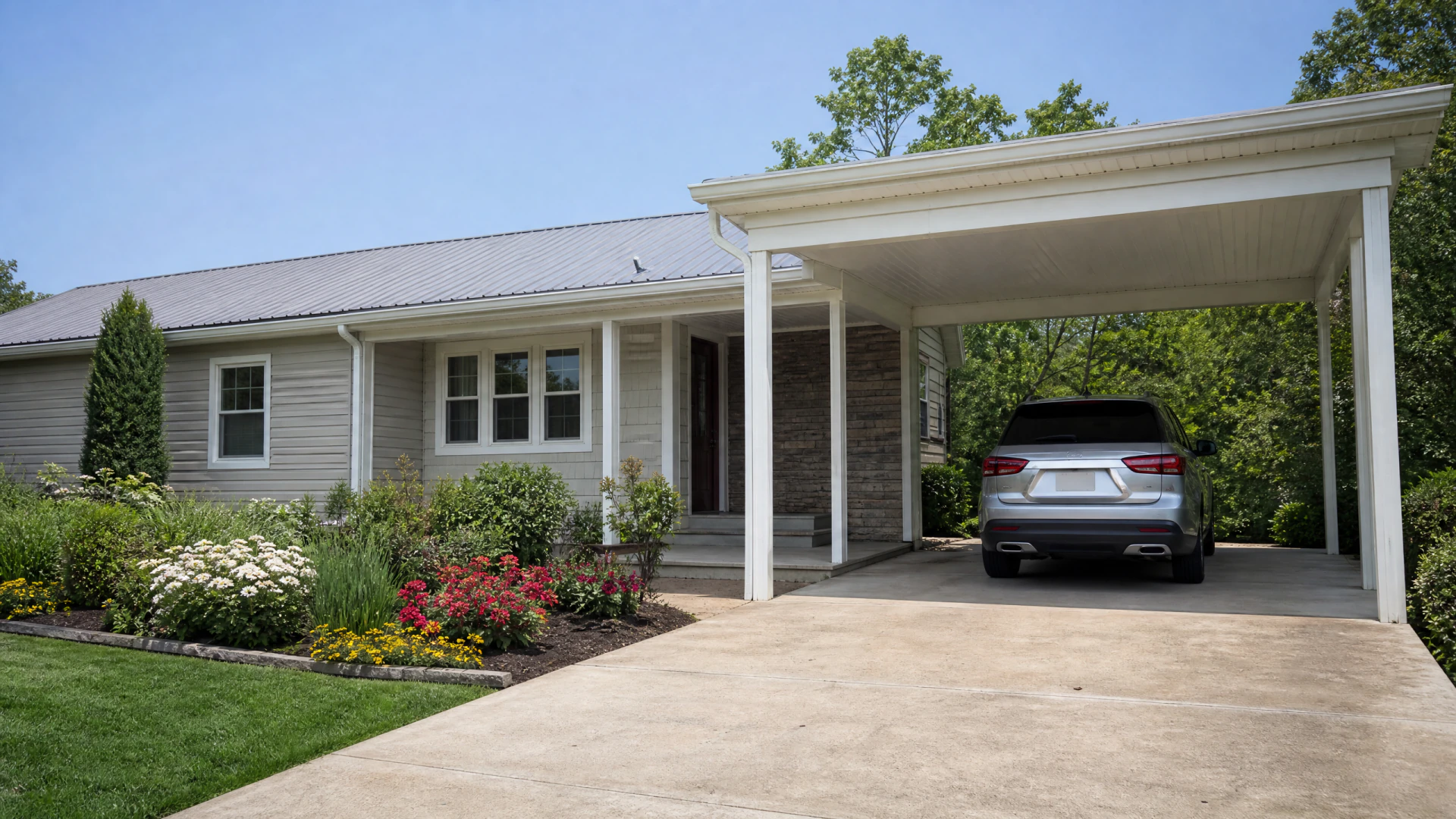
One family had a sedan that used to belong to their youngest, now away most of the year. It sat in the driveway, insured the same way it had been for years, full collision and comprehensive, with the child still listed as a primary driver. The parents hadn't looked closely at it since before the move.
They checked the car's value and found it had dropped enough that collision coverage cost more than it was worth keeping at full level. They lowered collision coverage, kept comprehensive since the car was parked outside and local theft was a known issue, and adjusted the driver listing to reflect occasional use instead of daily. The change didn't eliminate the cost, but it brought the policy in line with how the car was actually being used, and they stopped paying for a level of protection the car no longer needed.
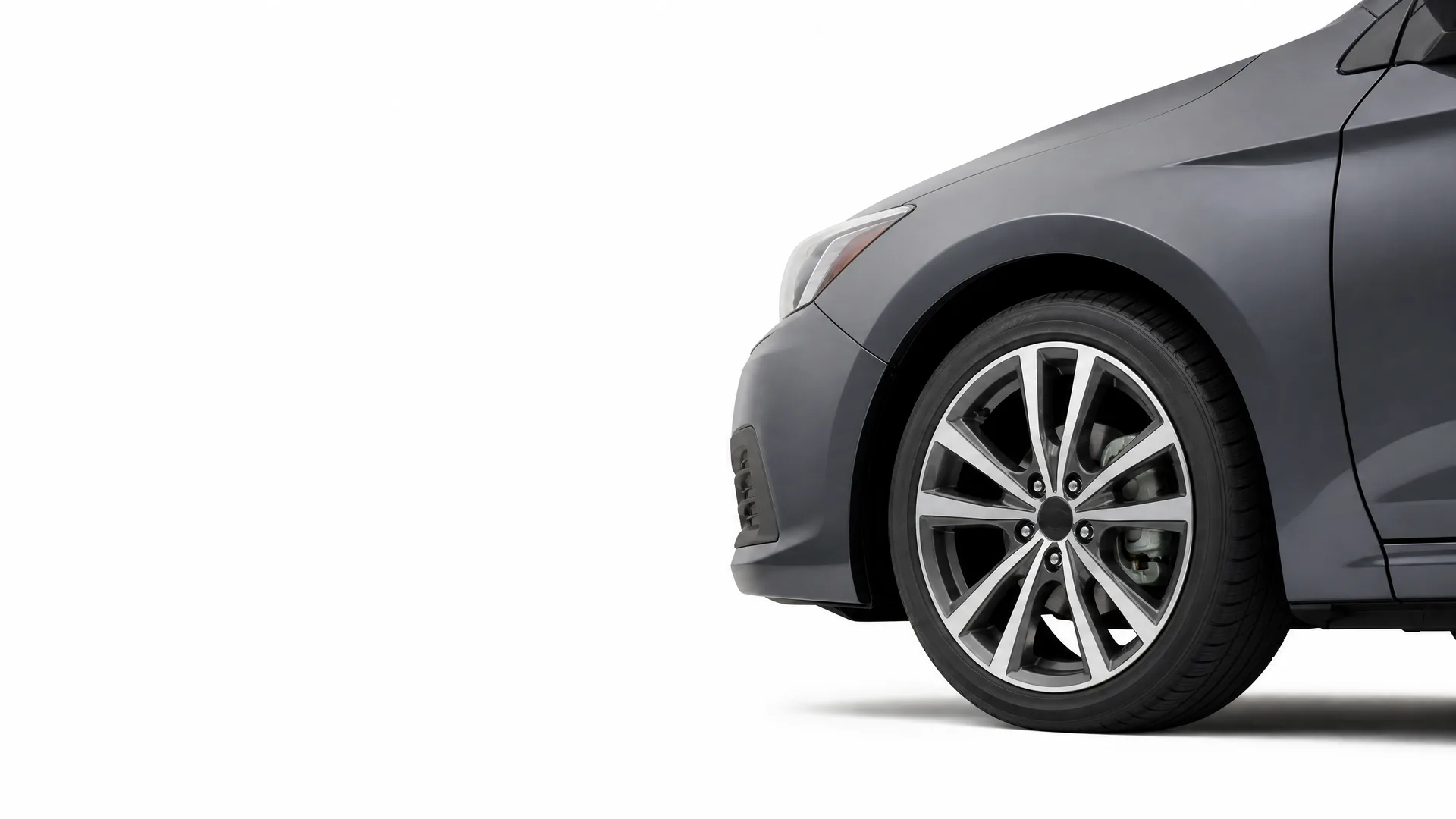
The right coverage depends on how the car is actually used now, not on how your policy was set up years ago.
Does comprehensive cover a cracked windshield?
Yes, in most cases a cracked or broken windshield falls under comprehensive, since it's usually caused by road debris, weather or vandalism rather than a crash. Some insurers offer separate glass coverage or waive the deductible for glass repair, so check your specific policy. If the crack happened during an accident involving another vehicle, it may fall under collision instead.
Can I have comprehensive without collision?
Yes, you can carry comprehensive alone, and many people do on older or low value cars. It covers theft, weather and vandalism without paying for crash repairs. This only makes sense once the car's value is low enough that crash repair costs wouldn't be worth claiming anyway, so check the car's value before deciding this is right for you.
Why did my comprehensive premium go up but not collision?
This usually means something changed in your area or with the car itself, not your driving. Comprehensive pricing reacts to local theft rates, weather events and claims trends more than collision does. Check with your insurer what specifically changed, since it may be regional and worth comparing against other insurers serving your area.