
What Is the Point of an Excluded Driver
An excluded driver is formally removed from your policy's coverage so their driving record and risk stop affecting your rate.
It separates someone's risk from your policy entirely
An insurer prices your policy based on everyone who might reasonably drive your cars. If an adult child still lives at home, or even visits often enough to plausibly drive one of your cars, the insurer counts them as a risk unless you say otherwise. Excluding them is that formal statement. You're telling the insurer this specific person is not covered to drive any car on this policy, under any circumstance, and in exchange their record and age stop factoring into your premium.
The tradeoff is real and it matters. If an excluded driver gets behind the wheel of your car and causes an accident, there is no coverage for that incident through your policy. Not a reduced payout, not a complicated claim, nothing. This is why exclusion only makes sense when you're confident the person truly won't drive your vehicles, not when they might borrow the car during a visit home.
This is different from simply removing someone as a listed driver. Removing a driver takes them off the policy's list of expected operators, but if they still live in your household, many insurers will still ask whether they're excluded or rated. Some states and insurers require an explicit exclusion in writing for anyone of driving age in the home, even if that person has their own insurance elsewhere. Check with your insurer about how your state handles adult children who hold a separate policy but still live under your roof.
The cases where this works out differently usually involve how often the person actually drives. A child who moved out and has their own car and policy typically doesn't need to be addressed at all, since they're no longer part of your household. A child who moved back temporarily, or who still uses one of your cars occasionally, is the harder case, and that's where exclusion or keeping them listed both have real consequences worth weighing.
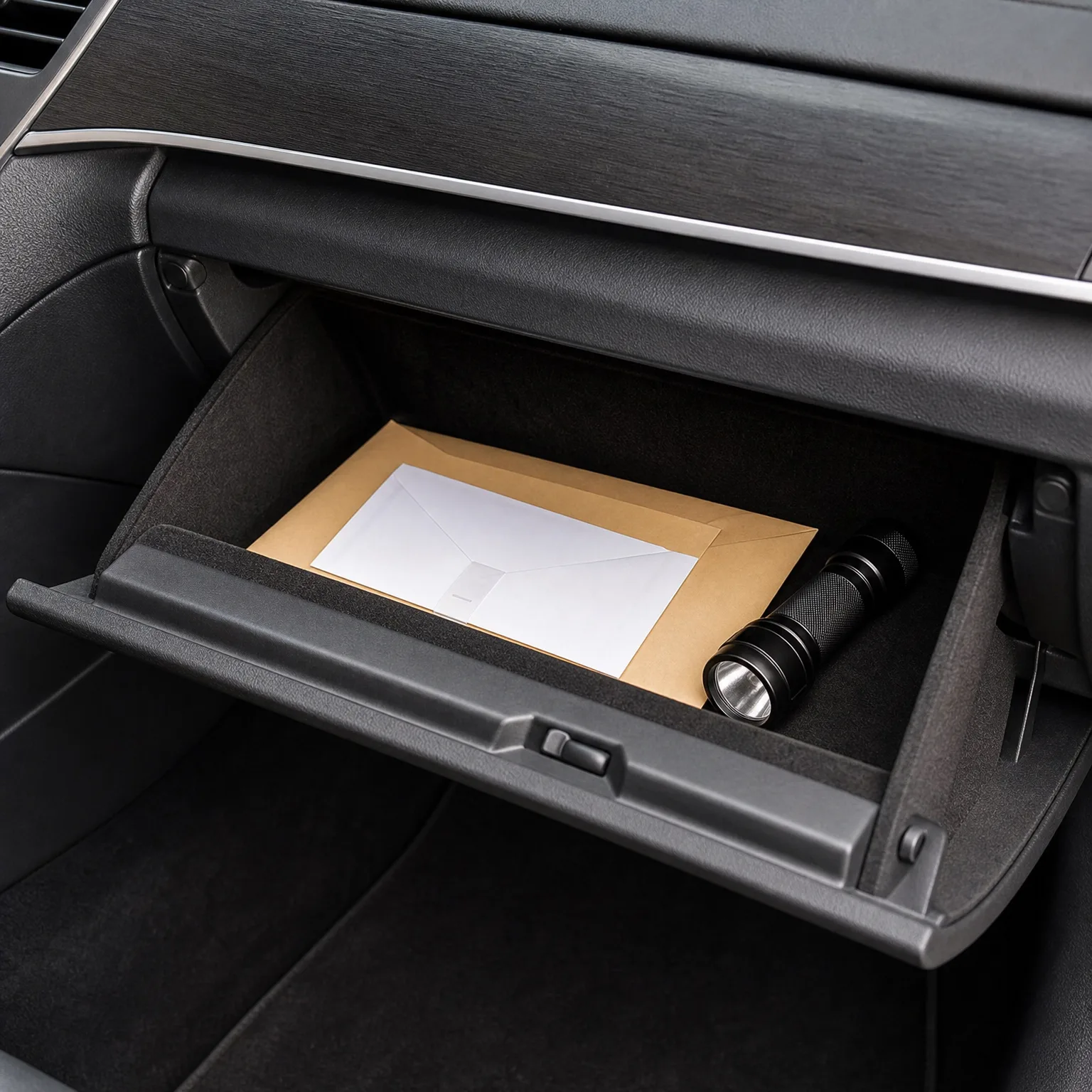
What excluding a driver actually changes
- No coverage if they drive If an excluded driver causes a crash in your car, your policy won't pay for it. Only exclude someone who truly has no access to your vehicles.
- Lowers your premium Removing a young driver's risk from your rating often brings your premium down. Ask your insurer for a quote with and without the exclusion to see the real difference.
- Not the same as removing them Some insurers still want a formal exclusion for any licensed adult in the household, even if they're not listed. Ask directly whether your state requires this.
- Doesn't follow them elsewhere An exclusion applies to your policy and your cars only. It says nothing about a separate policy your child might get on their own car.
- Can be undone later If your child moves back or starts driving your car regularly again, you can remove the exclusion. Call your insurer before that happens, not after an accident.

Now that you know what an exclusion covers and what it doesn't, compare quotes to see what it actually costs you.

A son who moved out but still visits on weekends
A couple had a son who moved into his own apartment and got his own insurance on his own car. He still came home most weekends, and sometimes borrowed his parents' car to run errands or see friends in town. The parents assumed that since he had his own policy now, he didn't need to be mentioned on theirs at all. Their insurer saw it differently, since he was still a potential driver of their vehicle on a regular basis, and the policy would have required either listing him as a driver or formally excluding him.
The parents chose not to exclude him, because he did still drive their car occasionally and they wanted that covered. Instead they kept him listed as an occasional driver, which raised their premium slightly but meant any trip in their car was protected. They checked back with their insurer once he stopped visiting as often and eventually moved him off the policy entirely once he was buying his own car and no longer touched theirs. The lesson they took from it was that the honest answer about how often someone drives your car should decide the category, not what seems simplest on paper.
The real question isn't whether your child moved out, it's whether they could still drive your car.
Can I exclude my child if they still have a key to my car?
Yes, but only if you're certain they won't use it to drive. Having a key or occasional physical access doesn't by itself prevent exclusion, what matters is whether they actually operate the vehicle. If there's any real chance they'll drive your car, even rarely, exclusion creates a gap in coverage that could cost you far more than the premium you'd save. Be honest with yourself about how the car is actually used, not just how it's supposed to be used.
Does excluding my child affect their ability to get their own policy?
No, an exclusion on your policy has no bearing on a separate policy they get for their own car. Insurers evaluate that new policy based on their own driving record, age, and the vehicle they're insuring. The exclusion simply tells your insurer they're not covered under your policy. If anything, having maintained insurance continuously, even as an excluded driver elsewhere, can help them avoid a lapse that insurers sometimes penalize when quoting a new policy.
What happens if my excluded child visits and I forget to add them back temporarily?
If they drive your car during that visit and something happens, you likely have no coverage for it, since the exclusion applies regardless of how long or short the visit is. Some insurers allow short-term adjustments for visits, so it's worth asking whether that's an option before they arrive. If visits happen often enough that this becomes a recurring risk, it's a sign the exclusion may not fit your situation anymore and you should talk to your insurer about listing them instead.