
When Should I Shop for New Car Insurance
The best time to shop is right after you remove a driver or car, not before, since that's when your real new rate shows up.
Your rate was built for a household that no longer exists
Insurers price a policy based on who drives, what they drive, and how often. When your kids were home, your premium reflected young drivers and extra mileage on every car. That math doesn't update itself. It sits there until you change the policy or someone else reviews it for you, which is rare.
Once a child moves out and stops driving your cars regularly, the risk picture underneath your policy shifts. But your insurer has no way of knowing that unless you tell them. This is why shopping right after a real change works better than shopping on a schedule. A renewal date is arbitrary. A kid moving out, a car getting sold, or a policy sitting untouched for several years are not.
The other reason timing matters is that insurers compete differently depending on what you're asking for. A policy with fewer drivers and fewer cars looks different to every company, and the company that was cheapest for your old household isn't automatically cheapest for your new one. Shopping only makes sense once the facts on the policy match your actual life, otherwise you're just comparing quotes for a household you don't have anymore.
There are exceptions. If a child still uses a car on your policy during school breaks or keeps a car registered at your address, you may not be ready to shop yet. Check your insurer's rules on relisting a driver, since some make it easy and some don't.
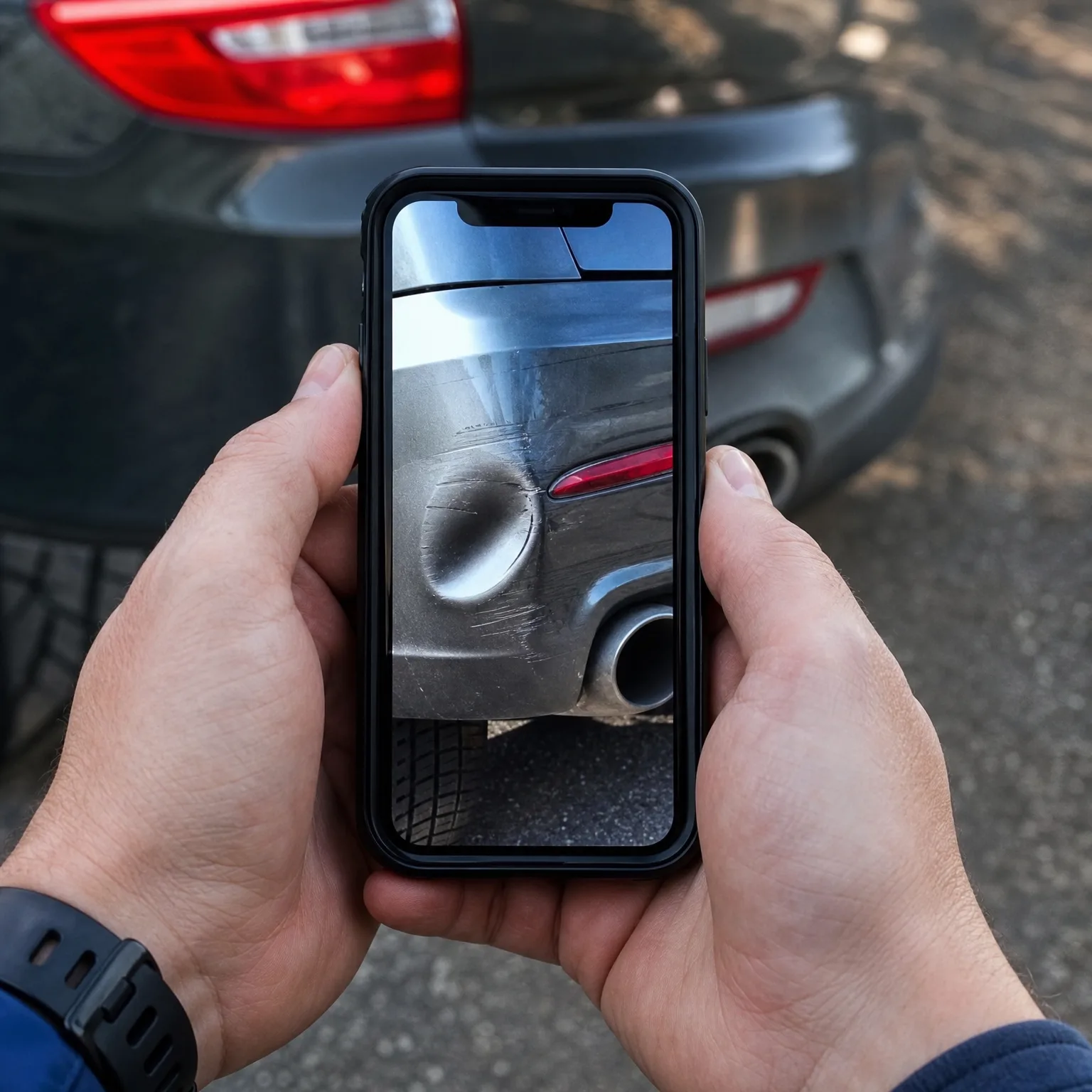
What to confirm before you request quotes
- Driver list is current If a child no longer drives your cars regularly, they shouldn't still be listed as a driver. Confirm this with your insurer before shopping, since quotes are only accurate once the driver list is right.
- Extra car has a purpose A car nobody drives daily still costs you to insure fully. Decide if it should move to a lower coverage tier, get sold, or stay as is, before you compare new policies.
- Visits are covered already Most policies cover a listed or occasional driver borrowing the car temporarily. Check your insurer's specific rule on visiting drivers so you don't remove protection you still need.
- Years since last review If nobody has looked at this policy in years, your discounts and coverage choices may be outdated too. Review those alongside the driver list, not just the price.
- Adult child's own policy If your child has their own car, address, or steady income, a separate policy may now cost less than staying on yours. Ask for a quote both ways before deciding.

Removing your child from the policy now
If you do
Your premium should drop since the insurer no longer prices in a young driver. If they visit and drive occasionally, most insurers still cover that under an occasional driver rule, but confirm it first. You keep the option to add them back if they move home again.
If you don't
You keep paying a rate built around a driver who isn't really using the car anymore. Nothing forces your insurer to flag this for you. The policy stays accurate on paper but wrong for your actual household until you change it yourself.
Now that you know what your policy should reflect, compare quotes based on your real household, not your old one.
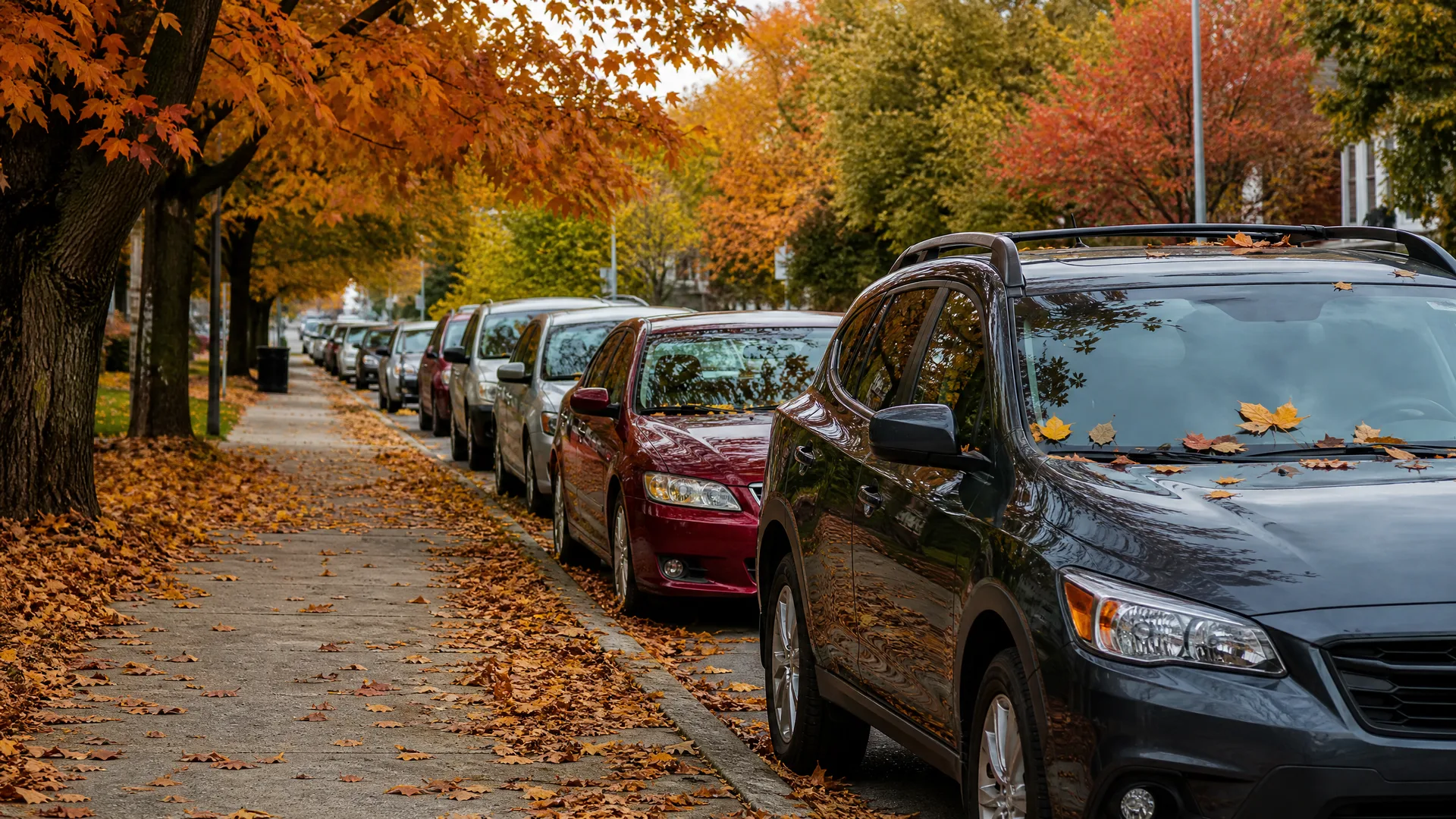

A policy that hadn't changed in four years
A couple had two kids who'd both moved out, one three years ago and one the previous summer. Both were still listed as drivers on the family policy, and one of the two cars they used to drive sat in the driveway most days. The parents assumed their rate had already adjusted since they hadn't heard otherwise.
They called their insurer, removed both kids as listed drivers, and asked about the unused car. It turned out one child still borrowed that car twice a year during holidays, so they kept her as an occasional driver instead of removing her entirely. Once the policy reflected two main drivers and one lightly used second car, they requested quotes from several insurers. The new quotes came in lower than their current renewal, and switching made sense once they confirmed the holiday visits would still be covered under the new policy's occasional driver terms.

Your policy doesn't expire when your household changes. It just goes on being wrong until you fix it yourself.