When to Decline Collision Coverage
Drop collision once a car's value is so low that a payout wouldn't cover much more than the premiums you'd pay over the next couple years.
The extra car nobody drives much anymore
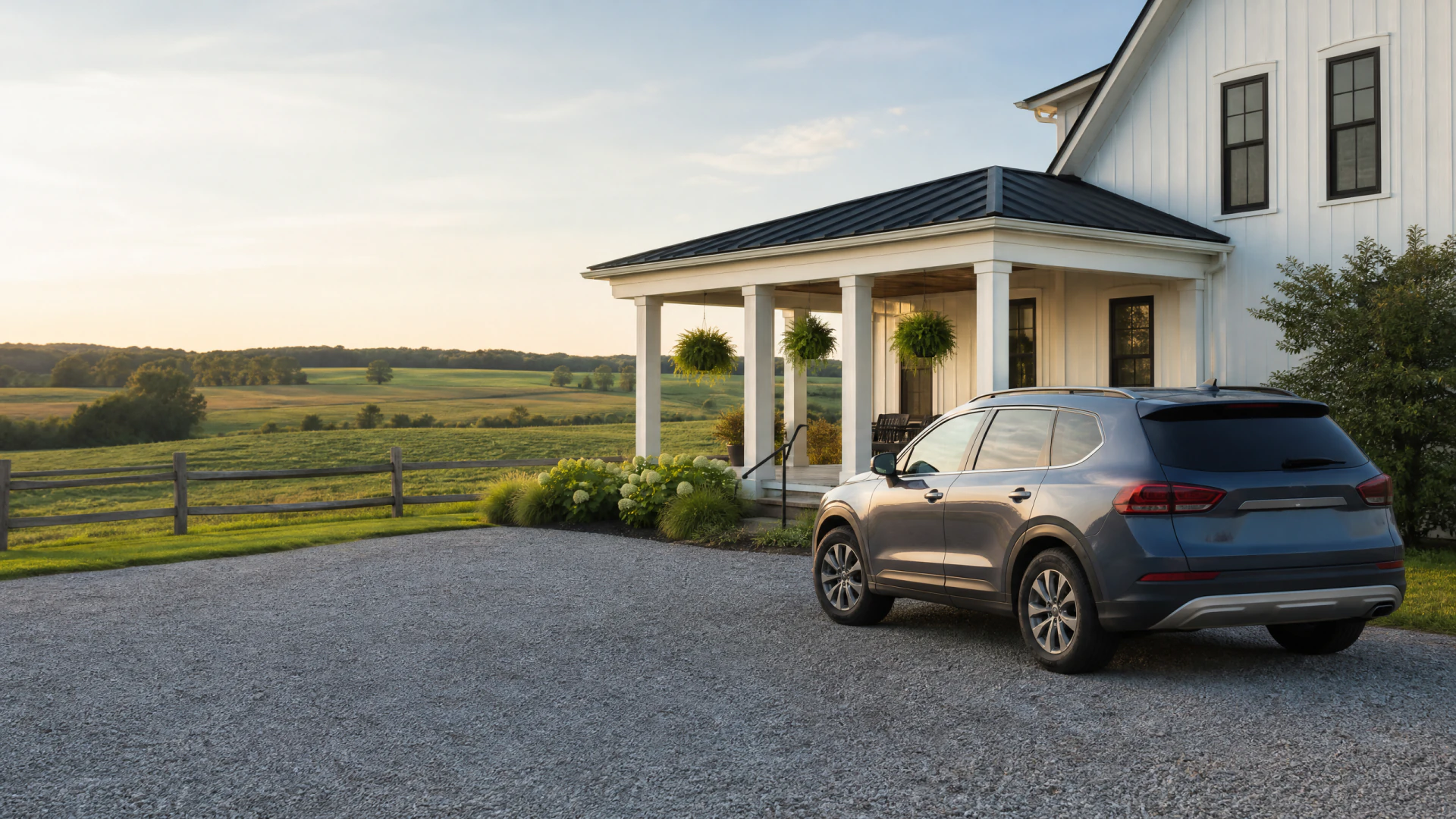
A couple in their fifties had three cars on one policy. One had belonged to their son, who moved out but hadn't taken it with him since he was renting in the city. The car sat in the driveway most days, used occasionally when he visited or when a parent needed a backup vehicle. They kept paying full coverage on it out of habit, the same way they had when he was driving it daily.
When they finally looked at what the car was worth and what they were paying to insure it, the numbers didn't make sense. The car wasn't worth much, and the collision premium alone was a meaningful chunk of what they'd get back if it were totaled. They dropped collision on that car but kept liability, since they still needed it on the road legally and wanted to be covered if they caused damage to someone else. On the two cars they drove daily, they kept full coverage because those cars had real value and they couldn't afford to replace them out of pocket. The change lowered their bill without leaving them exposed where it mattered.
The short version
Drop collision coverage when your car's value is low enough that the payout wouldn't justify what you're paying in premiums, typically on older cars worth a small fraction of what you paid new. Check your car's actual value first, not what you think it's worth. If you couldn't replace the car easily out of pocket, keep the coverage.
What happens if I drop collision and then get in an accident?
If you cause an accident after dropping collision, your insurer won't pay to repair or replace your own car. Liability coverage, which you're required to carry almost everywhere, will still pay for damage you cause to the other driver's car or property, but your car is on you.
This is the actual tradeoff, not a hidden catch. You're betting that the money you save on premiums over time will outweigh the cost of fixing or replacing the car yourself if something happens. For an older car worth little, that bet usually makes sense. For a car you rely on daily and couldn't easily replace, it usually doesn't. If you're unsure, price out what a replacement would realistically cost you before deciding.
Once you know which cars still need collision coverage, compare quotes to see what the right mix actually costs.

Deciding whether to drop collision on an older car
If you do
You stop paying for collision on that car and your bill drops right away. If it's totaled or badly damaged, you cover repairs or replacement yourself. For a car worth little, this usually saves more over time than it costs you if something goes wrong.
If you don't
You keep paying collision premiums that may add up to more than the car is worth over the next couple of years. You stay covered if it's wrecked, but you're essentially insuring against a loss that costs you more to insure against than to simply absorb.
Why this comes down to the car's value, not your driving
Collision coverage exists to pay for damage to your own car, up to what the car is worth. Insurers won't pay out more than that value no matter how much the repair costs, because the whole point of the coverage is to make you whole, not to profit you. That cap is the detail most people miss.
Once a car's value drops low enough, the math flips. You might pay a certain amount each year for collision, and if the car is only worth a modest amount, the most you could ever collect is that modest amount, minus your deductible. Over a few years, the premiums alone can approach or exceed what the payout would be. At that point you're not really buying protection anymore, you're prepaying for a loss that wouldn't cost you much more to handle yourself.
This is why the decision depends on the specific car, not on how carefully anyone drives it. A cautious driver in an old car still faces the same math, because collision pays out based on value, not fault or driving record. The decision also isn't permanent. As a newer car ages and loses value, the same question is worth asking again, and the answer can change year to year.
Where this plays out differently is when the car is still worth a meaningful amount, or when you genuinely couldn't afford to replace it. In those cases collision is still doing real work, cushioning a loss you couldn't absorb. Check your car's current value, not what you paid for it, before deciding either way.
How do I find out what my car is actually worth before deciding?
Look up its current market value using a valuation tool or recent sale prices for the same make, model, year and condition in your area, rather than relying on what you paid for it. Dealers and insurers use similar data when they calculate a payout, so getting close to that number tells you what you'd actually receive if the car were totaled. Compare that figure honestly against what you're paying in collision premiums each year to see if the coverage still makes sense.
Should I drop collision on a car my adult child still drives sometimes?
It depends on who owns the car and who's listed on the policy, not just how often it's driven. If the car is titled in your name and your child drives it occasionally, dropping collision affects the whole policy, not just their use of it. Check whether your state or insurer requires a resident relative who drives regularly to be listed as a driver either way, since that can matter more than the coverage decision itself.
Can I drop collision now and add it back later if I change my mind?
Usually yes, you can add collision coverage back at your next renewal or sometimes mid-term, but check with your insurer about whether there's a gap or inspection required first. Some insurers want to confirm the car's condition if coverage lapsed, since they're taking on new risk without having insured it continuously. If you think you might want it back soon, ask before you drop it so you know exactly what re-adding it involves.