Why Are Car Insurance Premiums Going Up So Much This Year
Rates are climbing mostly because claims cost more to settle now, not because you're suddenly a riskier driver.
What's actually pushing your bill up
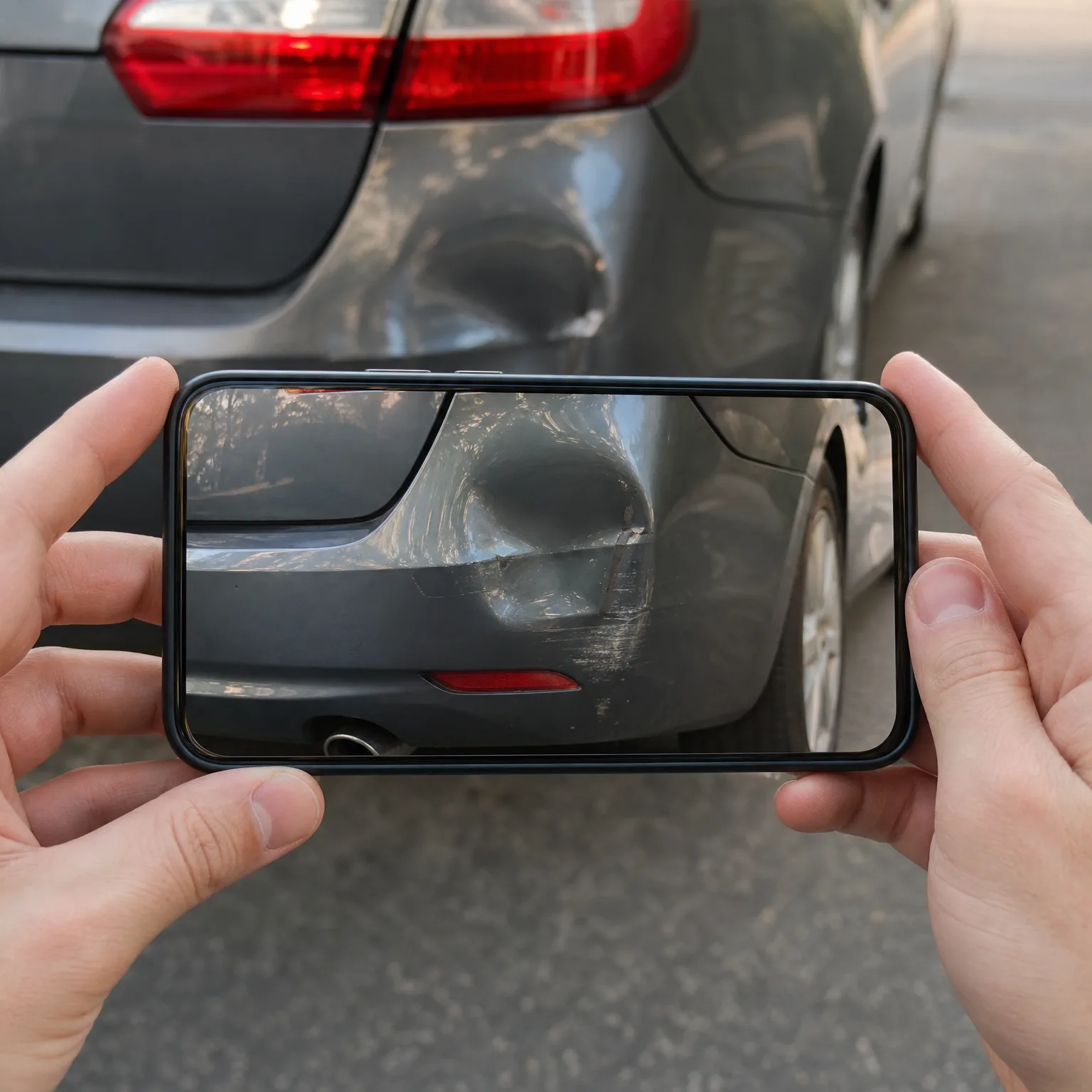
- Repair costs rose Cars carry more sensors and cameras now, so even small fender benders cost more to fix. That cost gets spread across everyone's premium, including yours.
- Medical claims cost more Injury claims from any accident cost more to settle than they used to. Check if your state allows insurers to pass that along quickly or if there's a lag.
- Unused cars still cost you Even with kids gone, a car sitting in the driveway can still raise your rate if it's rarely driven but still fully insured. Ask your insurer how mileage and usage affect your rate.
- Insurers reassess risk broadly Insurers periodically reprice based on claims trends in your area, not just your own history. Ask what changed in your specific rating, not just the overall increase.
- You haven't shopped in years Loyalty rarely gets rewarded with lower rates. Get new quotes now that your coverage needs have actually shifted.
Will my rate ever go back down?
Not predictably, and not just because your household got smaller. Rates respond to broad cost trends across claims, repairs, and medical care, and those trends don't reverse just because your own risk profile improved. Your rate can still drop relative to what it would have been, even if the number on the page looks higher than last year.
The part you control is your own coverage. Removing a driver who's genuinely moved out and established their own policy, adjusting coverage on a car that's barely driven, and raising your deductible if you have savings to cover it all push your number down independent of the market. The broader trend and your personal bill are two different things, and only one of them is yours to manage. Review your policy now with that distinction in mind, rather than waiting for the market to swing back in your favor.

Compare quotes now with the changes you've identified already decided, so you see what a rightsized policy costs.

A policy that hadn't been touched in years
A couple whose kids had both moved out, one a while back and one more recently, still had their policy listing both as drivers and still covered a third car that mostly sat in the garage. They'd just gotten a renewal notice with a noticeably higher number than the year before. Their first instinct was that the company was overcharging them to make up for something unrelated to their actual risk.
When they called to ask, they learned two things. The underlying rates in their area had gone up because of claims costs, and that part wasn't negotiable. But removing the older child, who now had his own policy at his own address, and switching the rarely driven third car to a lower tier of coverage brought their bill down noticeably, enough to offset most of the broader increase. They kept the younger child listed since she still came home often and drove the family car. The renewal number still wasn't what it had been in earlier years, but it reflected their household as it actually was now, not as it had been when both kids were still home.
Why this is happening almost everywhere
Insurance works by pooling risk and cost across a large group of people, and when the cost of settling claims rises across that whole pool, premiums rise to match it. This isn't about your individual driving record. It's about what it costs, on average, to repair a modern car or treat an injury from an accident, and those costs have been climbing steadily due to more complex vehicle technology and higher medical and repair expenses industry-wide.
Insurers also reprice periodically based on regional claims trends, weather-related losses, and theft rates, which vary by area and by company. That's why your neighbor's increase might look different from yours even with a similar policy, and why two insurers can raise rates by very different amounts for the same driver. This part is genuinely outside your control, and no amount of safe driving changes the broader trend.
What is inside your control is whether your policy still matches your actual household. A policy built around two teenage drivers and three cars doesn't need to look the same once the kids have moved out and established their own coverage. Insurers price based on who's listed as a driver and how each car is used, so an outdated policy can be absorbing cost increases on exposure you don't even have anymore.
The exception is when a child still drives your car regularly, even from a different address. In that case removing them can backfire if there's ever a claim, since insurers can deny coverage if an undisclosed regular driver was behind the wheel. The right move depends on how often they actually drive your vehicles, not just where they technically live.
The market increase isn't yours to control, but whether your policy still matches your real household is.