Why Do Car Insurance Companies Ask for Annual Mileage
Insurers ask for annual mileage because how much you drive changes how likely you are to file a claim.
Mileage is a direct stand-in for risk
Every mile you drive is a mile where something could go wrong. A car that sits in the driveway most of the week has far fewer chances to be in an accident than one that's on the road every day. Insurers know this, so mileage is one of the clearest signals they have for estimating how likely you are to file a claim.
This is why the number matters more than people expect. Two drivers with the same car, same age, and same clean record can get different prices if one drives far less than the other. The company isn't guessing about your habits, it's pricing based on exposure, and exposure drops when the car spends more time parked.
This is also why your estimate matters, and why it should be honest rather than rounded down out of habit. If a car that used to carry a daily commuter now mostly sits unused, your mileage estimate should reflect that. Insurers expect this number to change over time as driving patterns in a household shift, and they rely on you to update it rather than assume it.
What counts as low or high mileage, and how much it moves your price, varies by insurer and sometimes by state. Some ask for a precise number, others ask for a range, and some use odometer readings or mileage tracking to confirm it. Check how your insurer verifies mileage before you report a number, so the estimate holds up.
When an empty driveway changed the math
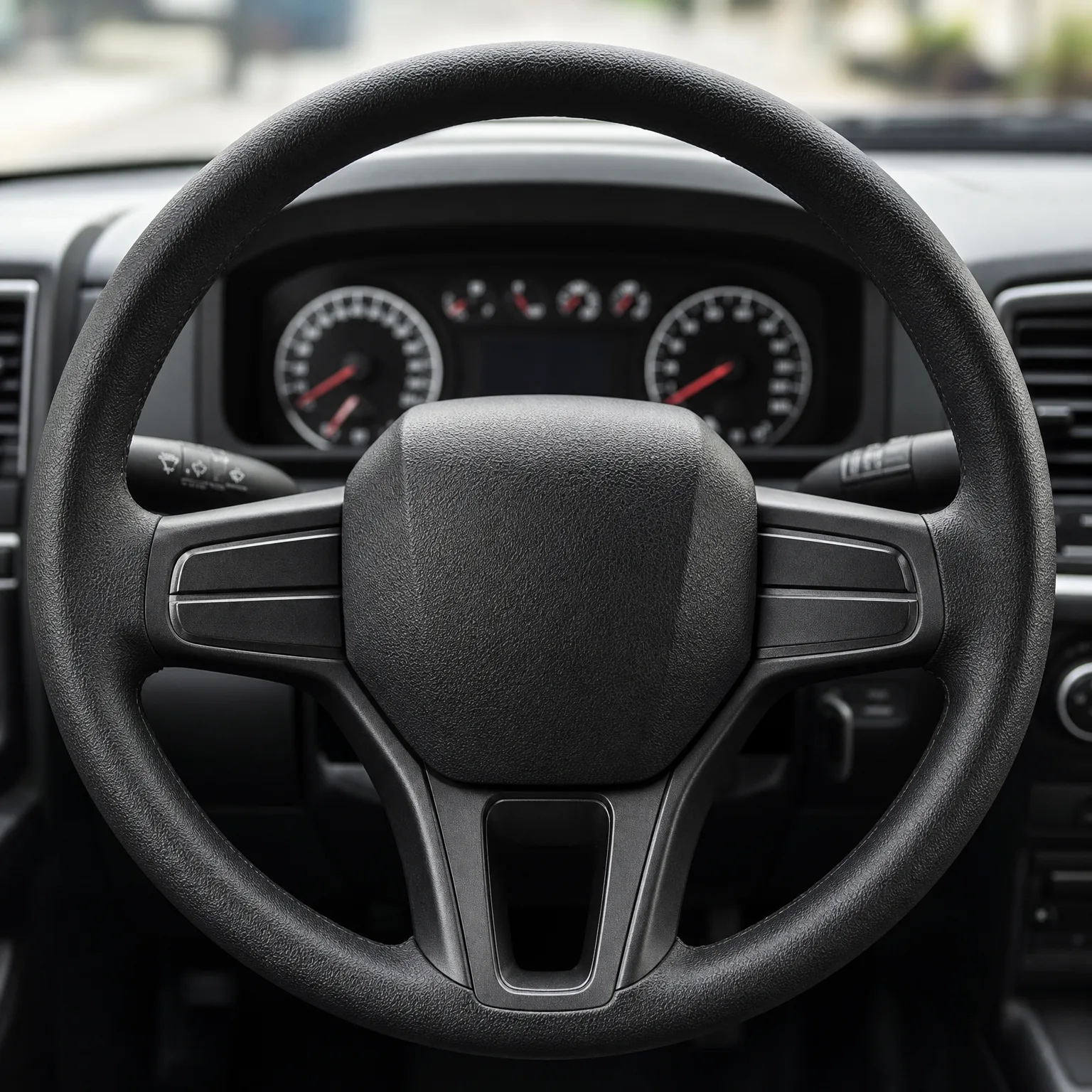
A couple had two cars insured for years under an estimate built around their teenager's daily commute to school and a part time job. Once that child moved out and took a car with them, the second car sat in the driveway most of the week, only used for errands and the occasional weekend trip. The parents hadn't touched the mileage estimate since it was first set, so the policy still reflected daily driving that no longer happened.
They called their insurer, gave an honest updated estimate based on the car's actual use, and asked what documentation might be needed to support it. The insurer adjusted the mileage band on that car, and the price reflected the lighter use going forward. The lesson for them wasn't just the lower cost, it was realizing the estimate had been stale for years and nobody had thought to revisit it until the driving pattern obviously changed.
What happens if your actual mileage ends up different from what you estimated?
Driving more than you estimated doesn't usually cancel your coverage, but it can matter when you file a claim or renew your policy. Insurers may ask how the estimate compares to actual use, and a large gap can affect your next renewal price or raise questions during a claim review.
Driving less than estimated is lower risk for the insurer, so it's worth correcting since it can only help your price, not hurt it. Either way, the fix is the same. Update your estimate when your driving pattern changes in any real way, rather than waiting for renewal to catch up. Check how your specific insurer handles mismatches, since some are stricter about verification than others.
Now that you know how mileage affects your price, compare quotes using an honest, updated estimate for each car.
What to do with your mileage estimate now
- Update it per car Each car on your policy should have its own current estimate. If one car lost its daily driver, that car's number should drop separately from the others.
- Base it on actual use Think through a typical week for each car rather than guessing. Errands, short trips, and occasional long drives add up differently than a daily commute.
- Ask how it's verified Some insurers check odometer readings or use mileage tracking. Find out what yours uses so your estimate matches what they'll actually see.
- Revisit it after life changes A mileage estimate set years ago may no longer reflect reality. Update it whenever a driver moves out, changes jobs, or stops using a car regularly.
- Don't round down out of habit Lowballing mileage can cause problems at claim time if the real number is much higher. Give your best honest estimate instead.
The mileage on your policy should describe how the car is driven now, not how it used to be.