Why Is Car Insurance Suddenly So Expensive
Rates have gone up because the cost of covering a crash or a claim has gone up, not because you suddenly became a riskier driver.
The main reasons your bill climbed
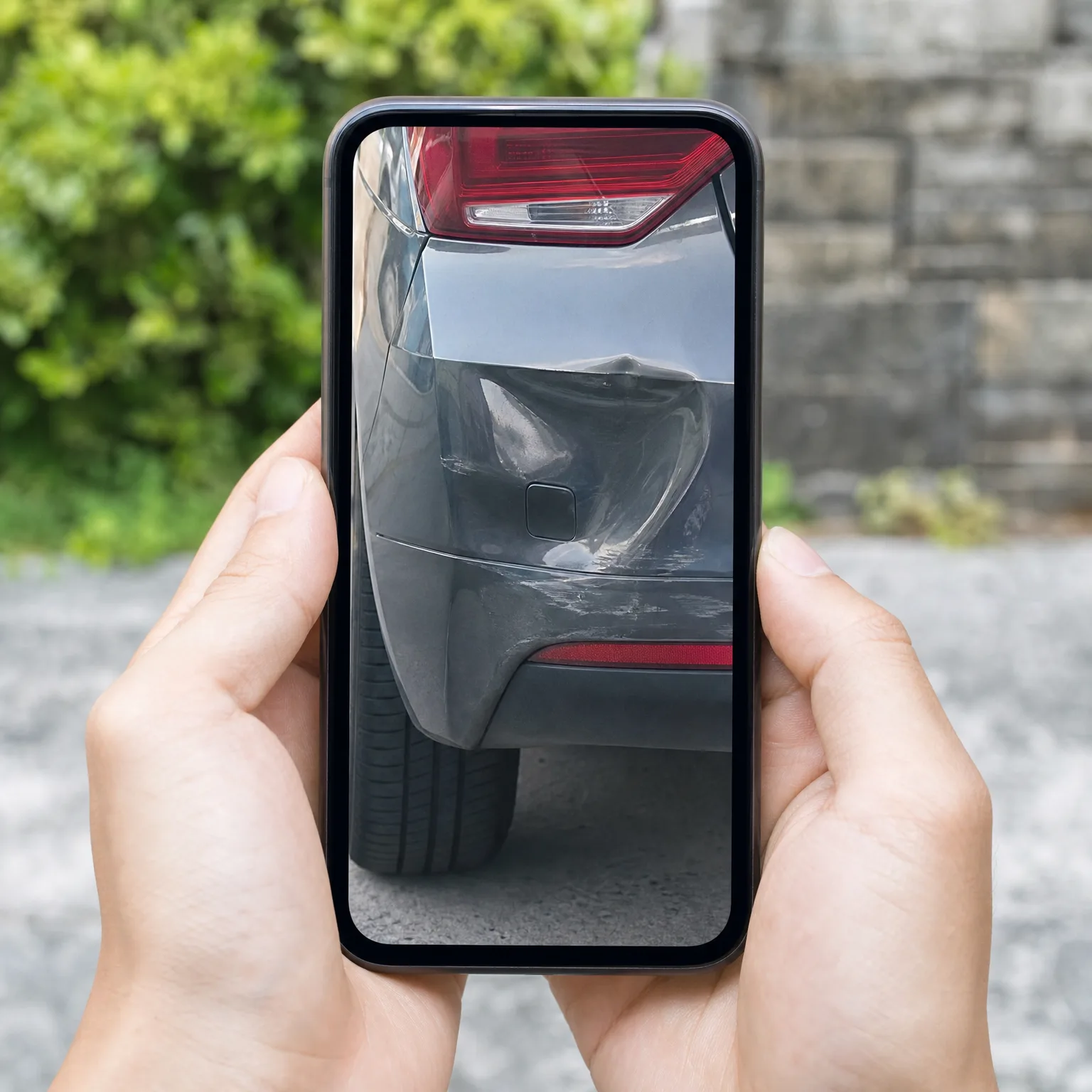
- Repair costs rose Cars now carry more sensors, cameras and computers, so even a small fender bender costs more to fix. Check whether your policy's repair and parts coverage matches what your car actually needs.
- Medical and legal costs rose When someone is hurt in a crash, treatment and legal claims cost more than they used to. This pushes up what insurers pay out, which pushes up what they charge everyone.
- Your area changed More accidents, more severe weather, or more theft in your area raises rates for everyone nearby, even careful drivers. Ask your insurer what local factors are weighing on your specific premium.
- A driver or car changed Adding a driver, a new car, or even a change in commute can shift your rate more than you'd expect. Review your policy's listed drivers and vehicles to make sure nothing outdated is still on there.
- You stopped shopping around Insurers raise returning customers more quietly than new ones, so loyalty can quietly cost you. Get a few comparison quotes to see where your current price actually stands.
The short version
Car insurance has gotten more expensive mainly because repairs, medical care and legal claims cost more than they used to, not because you're a worse driver. Where you live and what's on your policy matter too. The one thing to do next is compare quotes so you can see whether your current price still makes sense.
A driver whose premium jumped with no accidents or tickets
A driver in her mid-fifties opened her renewal notice and saw her premium had climbed noticeably, even though she hadn't filed a claim or gotten a ticket in years. Her first instinct was that the insurer was punishing her for something, so she called to ask what had changed. The answer was that repair costs on her specific car model had risen, and a few accidents in her area over the past year had pushed average claims up for everyone nearby.
She asked what she could do about it. She checked her coverage limits and found she was paying for some add-ons she didn't need anymore, and she adjusted those. She also got quotes from a couple of other insurers to see if her current price was still competitive. One quote came back lower for similar coverage, which told her the increase wasn't universal, it was specific to her current policy and insurer. She switched, kept the same protection, and paid less than her renewal notice had asked for.
Now that you understand what's driving the increase, compare quotes to see if you're still paying a fair price for it.

Whether you compare quotes after a price jump
If you do
You find out whether your new price reflects real cost increases across the board or just your insurer's own pricing. If another insurer offers similar coverage for less, you switch and keep the same protection. If quotes come back similar everywhere, you know the market shifted and your price is fair.
If you don't
You keep paying whatever your renewal says without knowing whether it's in line with the market. If your insurer raised your rate more than costs actually justify, you'll keep absorbing that difference every renewal, with no way to know unless you check.
Why your price moves even when your driving doesn't
Insurance prices are built from the cost of claims, and that cost has been rising across the industry. Modern cars are expensive to repair because of the technology built into them, so even minor collisions cost more than they did a few years ago. Medical treatment and legal costs tied to injury claims have risen too. When these underlying costs go up, insurers raise prices for everyone to keep covering what claims actually cost, regardless of whether you personally filed one.
Where you live plays a real role as well. If accidents, severe weather events or theft have increased in your area, insurers price that into everyone's policy nearby, not just the people involved. This is why two careful drivers in different cities can see very different increases even with identical driving records.
Your own policy details matter too. Who's listed as a driver, what car is listed, and what coverage you've chosen all affect your price, and these can drift out of date without you noticing. It's worth checking that your policy reflects your current household rather than one from a few years ago.
Finally, insurers price new customers differently than returning ones. Rates for people who stay with the same insurer year after year sometimes rise faster than rates for new customers at other companies, since there's less competitive pressure to keep a loyal customer's price low. This is the part most within your control, and it's why comparing quotes regularly tends to matter more over time, not less.
The jump is mostly rising costs everywhere, so ask whether your price still matches the market.