Will My Car Insurance Go Down if I Change My Address
Your rate can go up or down depending on the risk profile of your new address, not the move itself.
Your address changes the risk, and the risk sets the price
Insurers price a policy around where a car is parked overnight and where it's driven most. Theft rates, accident frequency, weather exposure and even local repair costs all factor into that number. So when you move, you're not just updating a mailing label, you're handing the insurer a new risk profile to price against.
This is why two people moving the same distance can see opposite results. Someone moving from a dense city block to a quiet suburb often sees a drop, because crash and theft risk tend to fall. Someone moving from a small town into a metro area, even a nearby one, often sees an increase, because claims are simply more common there.
State lines matter even more than city lines. Coverage requirements, minimum limits and even what factors an insurer can legally use to set price all vary by state. If your move crosses a state border, check with your insurer directly, since your policy may need to be rewritten rather than just updated.
There are cases where address barely matters. If you're moving within the same zip code or a neighboring one with similar risk, the change may be small enough that you won't notice it on your bill. The only way to know for certain is to report the move and see the new number, rather than guessing from the old one.
Moving from downtown to a nearby suburb
A driver living in a dense downtown area had been paying a higher premium for years, shaped by frequent claims and a high theft rate in that zip code. When a job change let them move fifteen minutes out to a quieter suburb, they weren't sure if the shift was big enough to matter, so they called their insurer before finalizing anything to ask directly.
They gave the new address and asked for a revised quote on the spot. The insurer pulled updated risk data for the new zip code, which had fewer claims and a lower theft rate, and came back with a lower premium. The driver updated their policy effective the move-in date, kept their coverage otherwise unchanged, and used the lower number as a baseline to compare against other insurers before renewal.
Now that you know what your new address means for your rate, compare quotes to see what you'd actually pay there.

Updating your address right after you move
If you do
You report the new address and get a revised rate that reflects the actual risk where you now live. If it's lower, you start saving immediately. If it's higher, you're paying the true cost of coverage there, which protects you if you ever need to file a claim.
If you don't
Your insurer keeps pricing you for your old location, missing out on a possible decrease. Worse, if you file a claim from an address they don't have on file, they can investigate, delay payment, or deny the claim entirely for misrepresentation.

What actually determines the new number
- Local claim rates Areas with more accidents or break-ins cost insurers more, so they charge more there. Look up how your new zip code compares before you move if you want to estimate the change.
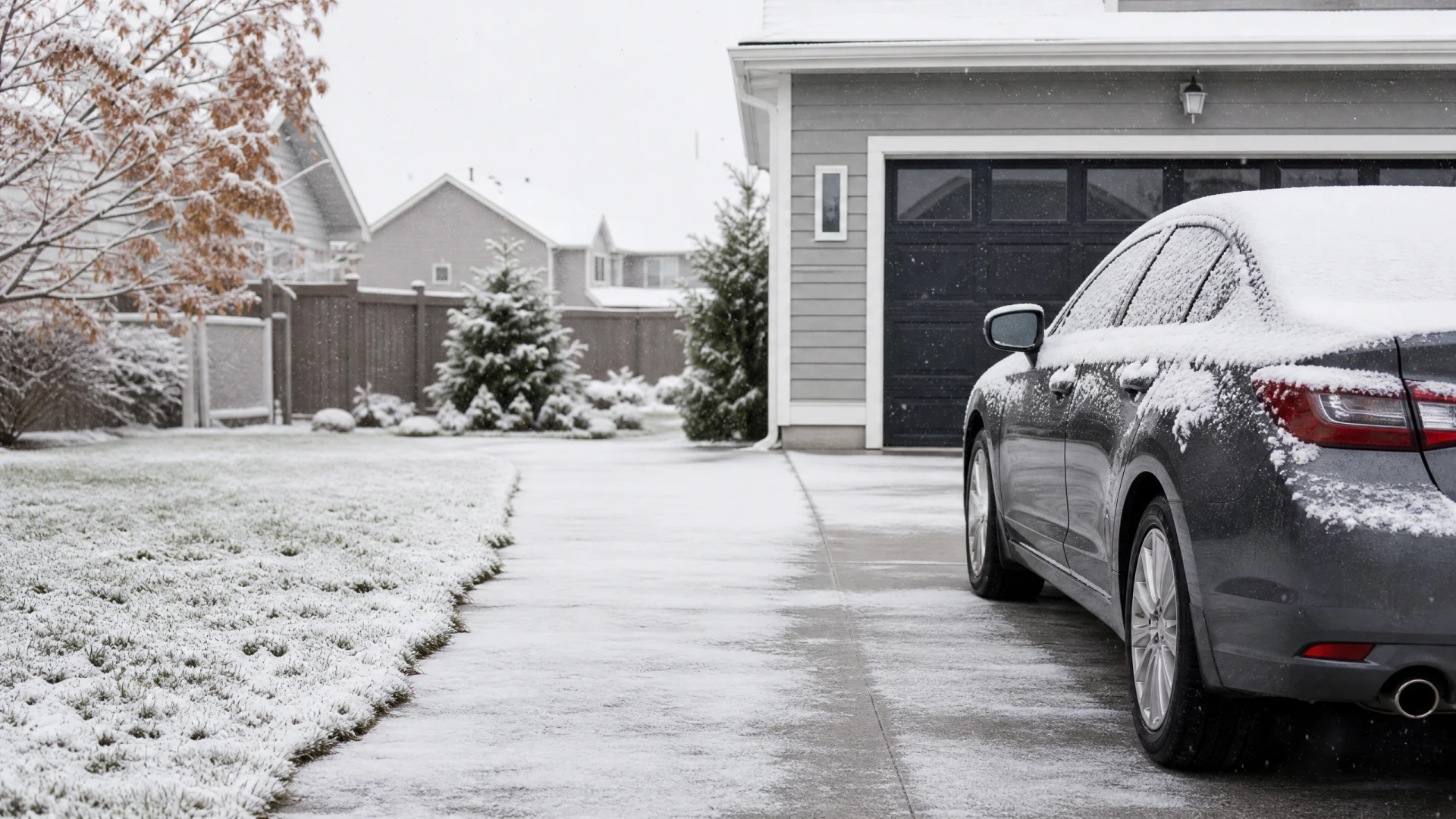
- Where the car sleeps Insurers price based on where the car is parked overnight, not just your general area. A driveway or garage usually rates better than street parking.
- Crossing state lines Minimum coverage rules and pricing factors differ by state. If you're moving to a new state, ask your insurer whether your policy needs to be rewritten, not just updated.
- Distance to work changes A shorter or longer commute changes your estimated annual mileage, which affects price. Update your commute details along with your address so the quote is accurate.
- Timing of the update Report the move as soon as it happens rather than waiting for renewal. Waiting can leave you misclassified and may delay a claim if something happens in between.

The move itself doesn't change your rate, the risk profile of where you land does.