
Will Telematics Raise My Insurance Rate
Telematics usually lowers your rate if driving is careful and low-mileage, but can raise it if data looks riskier than your price.
Why the answer depends on who's actually driving
Telematics works by replacing assumptions with actual driving data. Right now your rate is based on general factors like age, location, and the drivers listed on the policy. Once you enroll, the insurer starts looking at how the car is actually driven, things like hard braking, speed, time of day, and how many miles get put on. For a household like yours, where the kids have moved out and the cars mostly sit for errands and commuting, that data often looks better than the averages your current rate assumes.
The risk comes from who else drives the car. If an adult child is still listed on the policy and drives during visits, or if the car gets used for a long trip, that activity gets captured too. One aggressive week of driving can pull down an otherwise good score. This is why it matters whether the telematics program is tracking a specific driver or the vehicle as a whole. Some programs separate driver profiles, others don't, and that distinction decides whether a visiting child's driving affects your score.
It also matters how the insurer uses the data. Some only apply telematics as a discount, meaning your score can lower your rate but never raise it above what you'd pay without it. Others use it as a full rating factor, which means it can move your price in either direction. This varies by insurer and sometimes by state, so it's worth asking directly before enrolling, not assuming.
Finally, timing affects the outcome. Enrolling right after reducing drivers or removing a car, when the household driving pattern is stable and lower-risk, tends to produce better results than enrolling while the policy is still in flux.
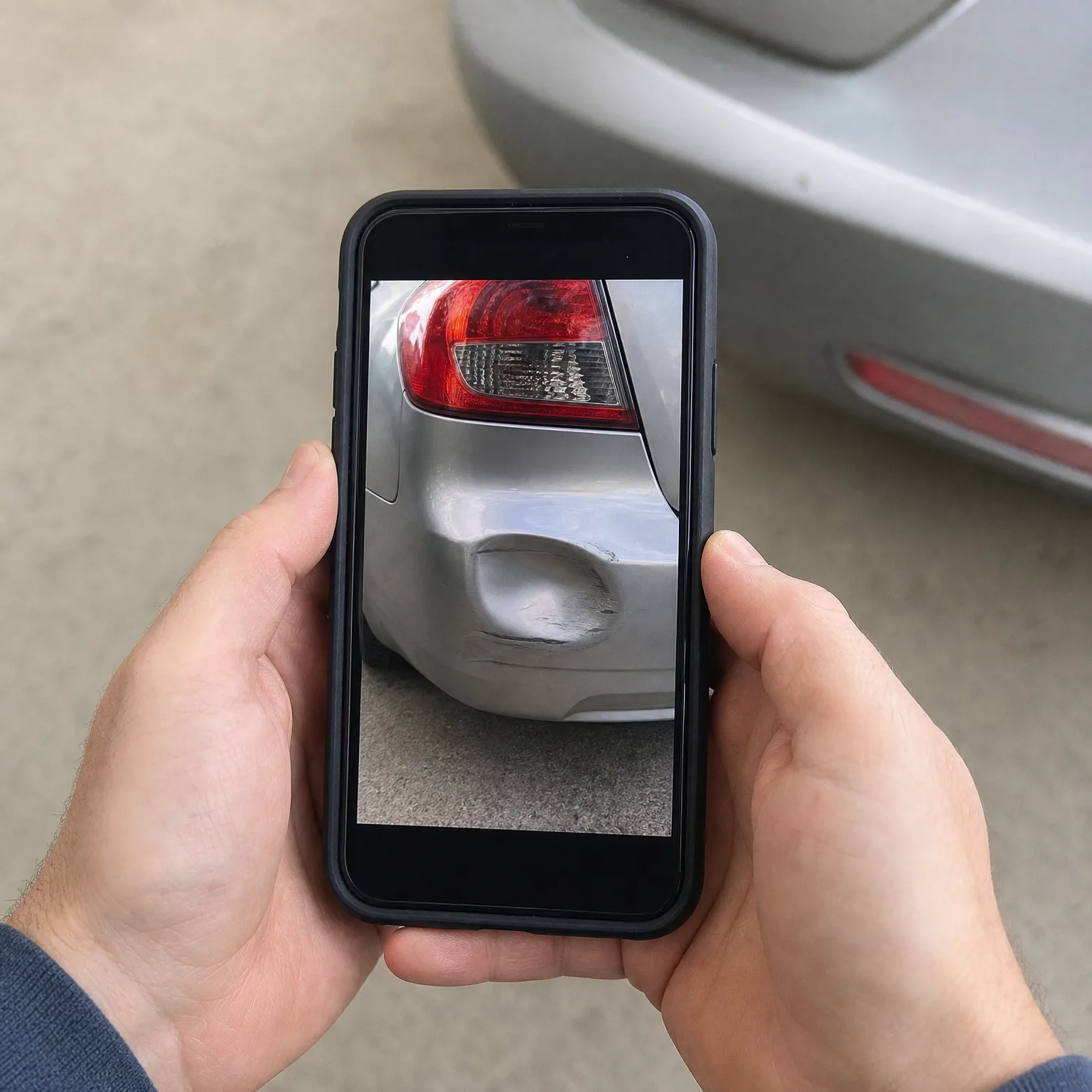
What determines whether telematics helps you
- Discount-only vs rating factor Some programs only lower your rate, never raise it. Ask the insurer directly which type theirs is before signing up.
- Who's still on the policy If an adult child still drives occasionally, their driving may get mixed into the score. Confirm whether the program tracks the vehicle or the individual driver.
- Mileage patterns Lower, steady mileage generally scores well. If a car is used for long trips or visits, expect more variation in the score.
- Timing of enrollment Enrolling after cleaning up the policy, removing unused drivers or cars, gives a clearer picture of actual household risk. Enrolling mid-change can skew early results.
- State and insurer rules Availability and rules for telematics vary by state and company. Check with your specific insurer before assuming how it will apply to you.
Telematics reflects how the car is driven now, not who used to drive it, so clean up the policy first.
Once you know how telematics would score your actual driving, compare quotes to see which insurer rewards it best.

Should you enroll in a telematics program now
If you do
You'll get real data on your current driving instead of relying on generic rate factors. If your household drives less and more carefully than before, this often lowers your rate. You'll also see clearly if a visiting child's driving affects the score, which helps you decide about removing them.
If you don't
Your rate stays based on general assumptions tied to your age, location, and listed drivers. You won't get credit for lower mileage or safer driving patterns. You also won't find out whether your insurer's program would have helped or hurt, so you're guessing instead of knowing.

A household with one quiet car and one visiting driver
A couple in their mid-fifties had two cars on their policy, one driven daily to work and one that mostly sat in the garage since their daughter moved out. Their daughter was still listed as an occasional driver because she visited a few times a year and sometimes borrowed the car. They assumed their rate would drop once they removed her, but they weren't sure if telematics was worth trying first.
They asked their insurer whether the telematics program tracked the vehicle or the specific driver. It tracked the vehicle, which meant any driving during visits would factor into the score. They decided to wait, removed their daughter from the policy since she had her own insurance at her own address, and enrolled in telematics afterward using only their own regular driving. The score reflected steady, low-mileage use, and their rate dropped. When their daughter visited later, they simply added her temporarily for those days instead of leaving her on the policy year-round.
Does removing my child from the policy affect the telematics score?
Yes, it can, especially if the program tracks the vehicle rather than an individual driver. If your child still drives the car occasionally while listed as an inactive or removed driver, that driving may not get properly separated out, and it can pull down what would otherwise be a strong score based on your own habits.
The safest approach is to confirm removal first, then enroll in telematics once the car is being driven only by the people who actually live there. If your child visits occasionally and drives the car, ask your insurer how to handle that, some allow short-term addition of a driver for specific dates without restarting the whole telematics evaluation. This keeps your score accurate and avoids surprises tied to driving that isn't really part of your everyday household pattern.