Are Named Drivers Insured to Drive Other Cars
No, being a named driver on your policy usually doesn't cover them to drive someone else's car.
When a visiting child borrows a friend's car
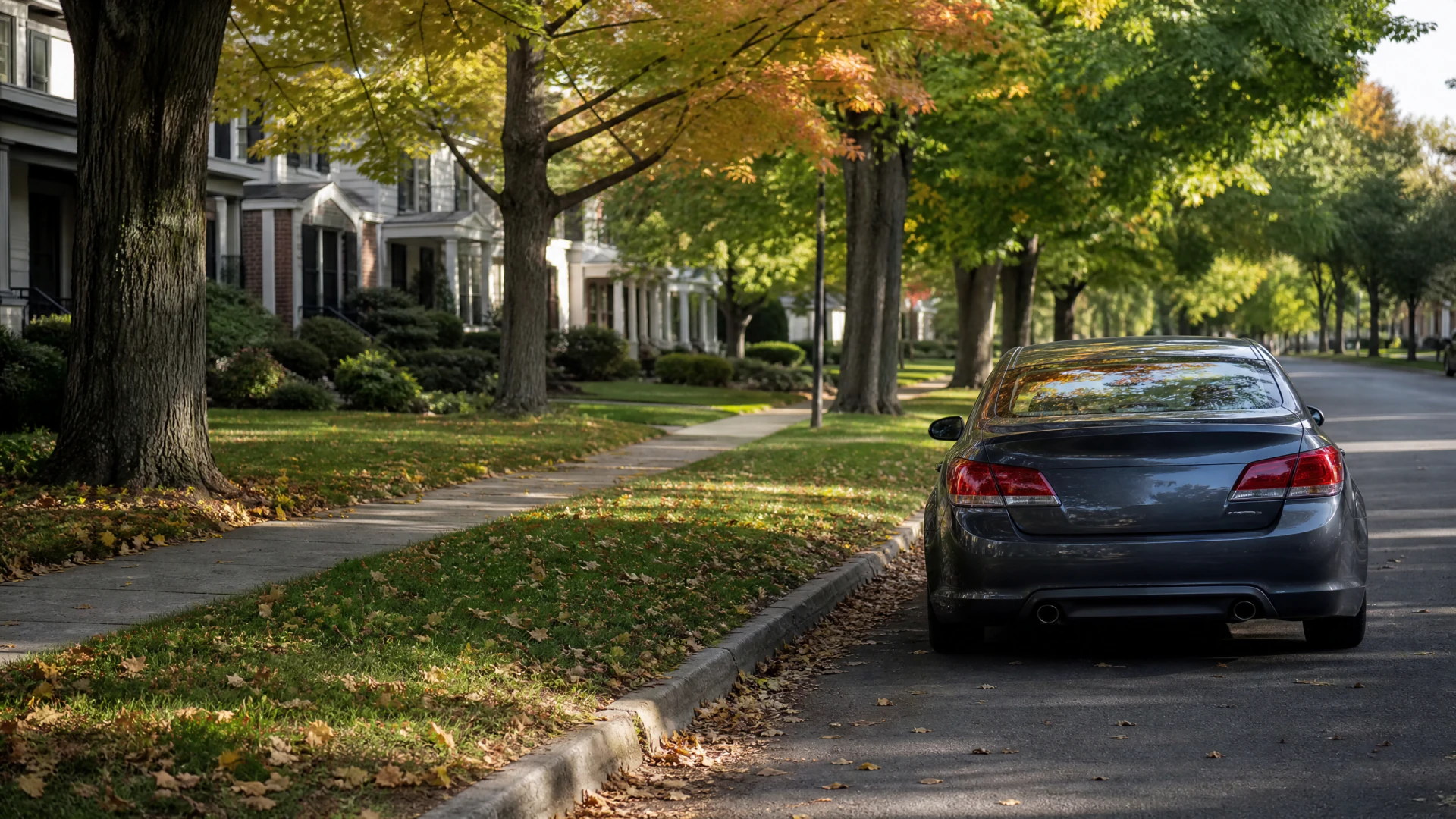
Your daughter moved out two years ago but is still listed as a named driver on your policy because she visits often and sometimes drives your car when she's home. One weekend she borrows a friend's car to run an errand and gets into a minor accident. The friend's insurer is asked to pay, and your policy gets a call too, since your daughter is still on it.
What matters here is whose policy the car belongs to, not whose policy your daughter is named on. The friend's car is covered by the friend's policy, and that policy's rules about who can drive it apply, not yours. Your policy being in the picture at all is really about whether your daughter still lives with you and whether she owns a car of her own. If she doesn't, and this was occasional permissive use, the friend's insurer likely handles the claim as primary. Your policy would only come into play if there's a gap, like liability limits too low to cover the damage, and even then only if your policy extends secondary coverage to her for cars she doesn't own. That's worth confirming before the next visit, not after a claim.
Does it matter if my child still lives at home part-time?
Yes, this is usually the single biggest factor. Insurers care about where your child actually resides, not just whether their name is on your policy. If they're home for holidays and summers but otherwise living elsewhere, most insurers still treat them as a resident of your household, especially if they don't have their own policy anywhere else.
If that's the case, your policy's coverage for driving other people's cars, with permission, often extends to them the same way it would to you. If they've established their own address, lease, or policy elsewhere, that connection weakens or disappears. The test isn't the mailing address on their license. It's where they actually keep their stuff and spend most of their time. If you're not sure how your insurer defines this, ask directly, since it changes the answer.
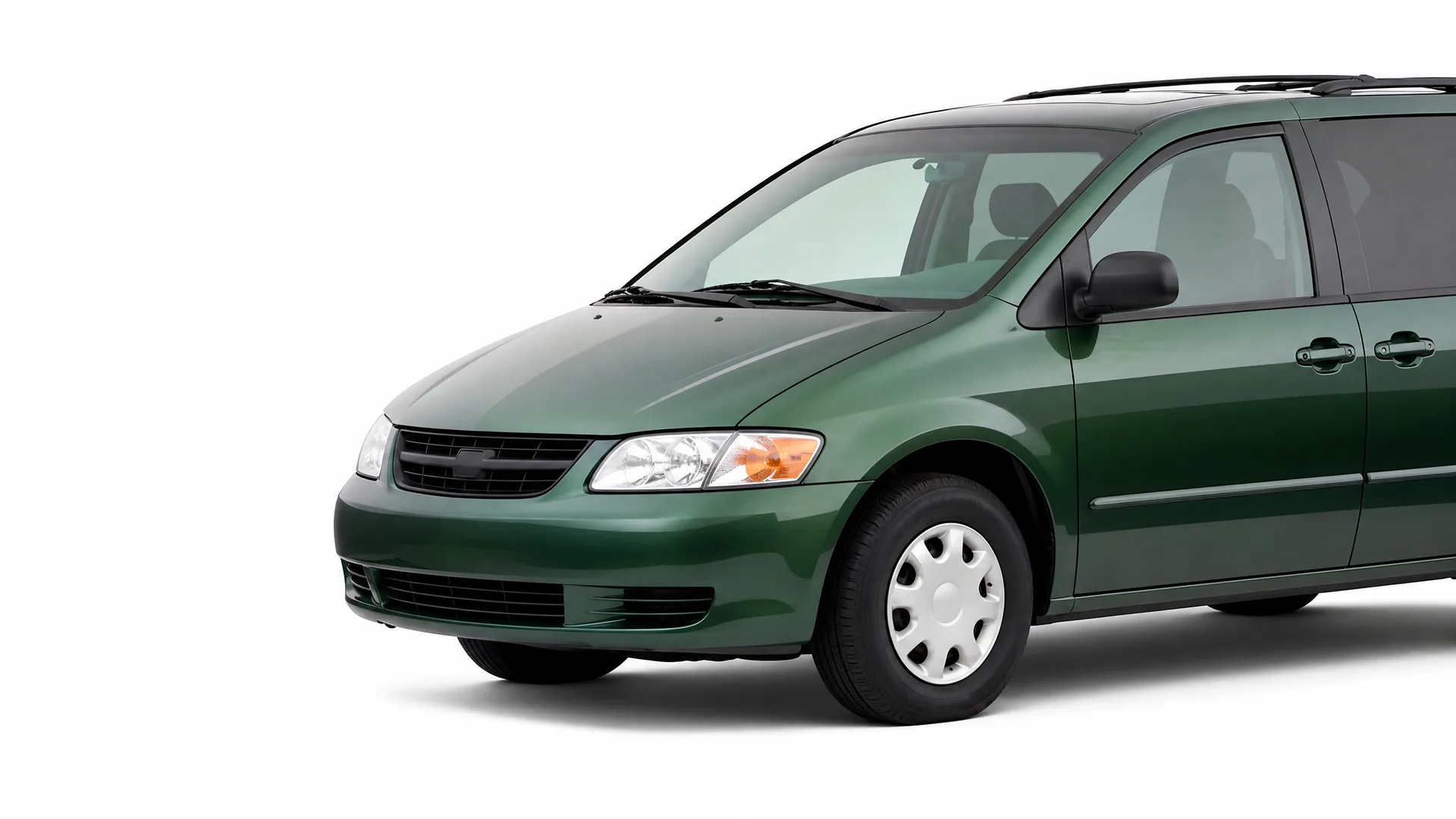
The car's policy decides coverage first. Your policy is backup, not the main event.
Now that you know what your named driver is actually covered for, compare quotes to see if you're overpaying.

Should you keep your adult child listed as a named driver
If you do
They stay covered under your policy when they visit and drive your cars, with no gap and no surprise. If they still live with you part-time, this is usually the simplest and often cheapest option. You keep one policy, one bill, and continuity if their situation changes again.
If you don't
If they've genuinely moved out and have their own car or policy, removing them can lower your premium since insurers price for household risk. But if they still drive your cars occasionally with no coverage of their own, an accident could leave you uninsured for that drive, since permissive use has limits.
What to check before you decide to remove or keep them
- Where they actually live If they're away most of the year but still return often, most insurers still count them as a household resident. Confirm your insurer's residency definition before removing them.
- Do they own a car now If they bought their own car, they likely need their own policy regardless of where they live. Keeping them on yours without their own vehicle listed can create coverage gaps.
- Occasional visits and borrowing If they'll drive your car during visits, permissive use may cover a single occasion but not a long-term pattern. Ask your insurer how many days of use is considered occasional.
- Unused cars sitting idle A car nobody drives regularly may qualify for reduced coverage instead of full comprehensive and liability. Ask about usage-based or reduced coverage for low-mileage vehicles.
- Premium impact of removal Removing a young driver usually lowers cost, but the amount varies by insurer and by how long they were on the policy. Get a new quote before assuming the drop is automatic.
Why coverage follows the car more than the driver
Car insurance is built around the vehicle first. The policy on a car is what pays out when that car is in an accident, regardless of who's driving it, as long as that person had permission. This is why a named driver on your policy isn't automatically covered to drive any car anywhere. Your policy covers your cars, and extends some protection to other cars only under specific permissive use terms that your insurer sets.
Permissive use exists because people borrow cars all the time, and insurers built a system that assumes occasional, informal use shouldn't leave anyone uncovered. But permissive use is designed for occasional situations, not for someone who regularly drives a car they don't own and isn't listed on that car's policy. If your child borrows a friend's car once, the friend's insurer typically treats it as a normal permissive use claim. If it becomes routine, insurers may push back, arguing the driver should be listed on that policy instead.
Where your own policy becomes relevant is as a backup. If the other car's insurance has low limits or the damage exceeds what that policy covers, your own policy may step in if your child is still considered part of your household and covered under your policy's terms for driving non-owned vehicles. This is why residency and ownership status matter so much. They determine whether your policy has any role to play at all.
The cases where this works out differently usually involve a named driver who has their own policy somewhere else, even a cheap one. In that situation, insurers often expect that policy to be primary for any car that driver regularly uses, and your policy's role shrinks to nothing. State rules on permissive use and household definitions vary, so when the situation isn't a clean visit-and-borrow scenario, it's worth asking your insurer directly rather than assuming.