Can a Car Sit Idle for 2 Months
Yes, a car can sit unused for two months, as long as you keep the right coverage active the whole time.
Why an unused car still needs some coverage
An idle car still faces risk even if nobody drives it. It can be hit while parked, damaged by weather, stolen, or vandalized. That's why insurers don't let you drop a policy to zero just because the car isn't moving. What you can usually adjust is the kind of coverage, not whether you have any at all.
Most insurers let you remove liability and collision coverage temporarily if the car won't be driven, keeping only comprehensive coverage in place. This protects against theft and damage while cutting the cost of coverage tied to driving. The catch is that the car legally can't be driven at all during this time, not even a quick trip to the store, or you risk driving uninsured for liability.
This is also where state rules matter. Some states require continuous liability coverage on any registered vehicle, parked or not, so comprehensive-only coverage isn't allowed unless the car is also unregistered or placed in a nonoperation status with the state. Check your state's rules before assuming you can drop liability.
The other variable is your insurer. Some have a formal process for this kind of change, often called a parked-car or storage endorsement, while others just want you to call and adjust the policy manually. Ask directly what they offer and how quickly coverage can be restored when the car is back in use.
What to check before the car sits for two months
- Confirm state rules first Some states require liability on any registered car, idle or not. Check with your state's DMV or insurer before changing anything.
- Ask about comprehensive-only This keeps theft and damage protection while dropping liability and collision. Confirm your insurer offers it and how to request it.
- Consider pausing registration If the car truly won't move, ask about nonoperation status with your state. This can lower registration costs alongside the insurance change.
- Set a reminder to reverse it Mark the date you'll restore full coverage before driving again. Driving before reinstating liability coverage is a real risk, not a technicality.
- Call before, not after Make the change proactively instead of waiting to see if anything happens. A claim during the gap can be denied or complicated if coverage wasn't adjusted first.
Switching to parked-car coverage for two months
If you do
You keep comprehensive coverage active, so theft, fire, or weather damage is still covered. Your monthly cost drops since liability and collision are paused. The car must stay parked the entire time. Before anyone drives it again, you call your insurer to restore full coverage, which usually takes one call.
If you don't
You keep paying full price for coverage you don't need right now, including liability and collision on a car that isn't moving. Nothing goes wrong, but you're spending more than necessary for two months. If the car is hit while parked, you're still covered the same as before, just at a higher cost.
Once you know whether to pause liability or keep full coverage, compare quotes to price the idle period correctly.
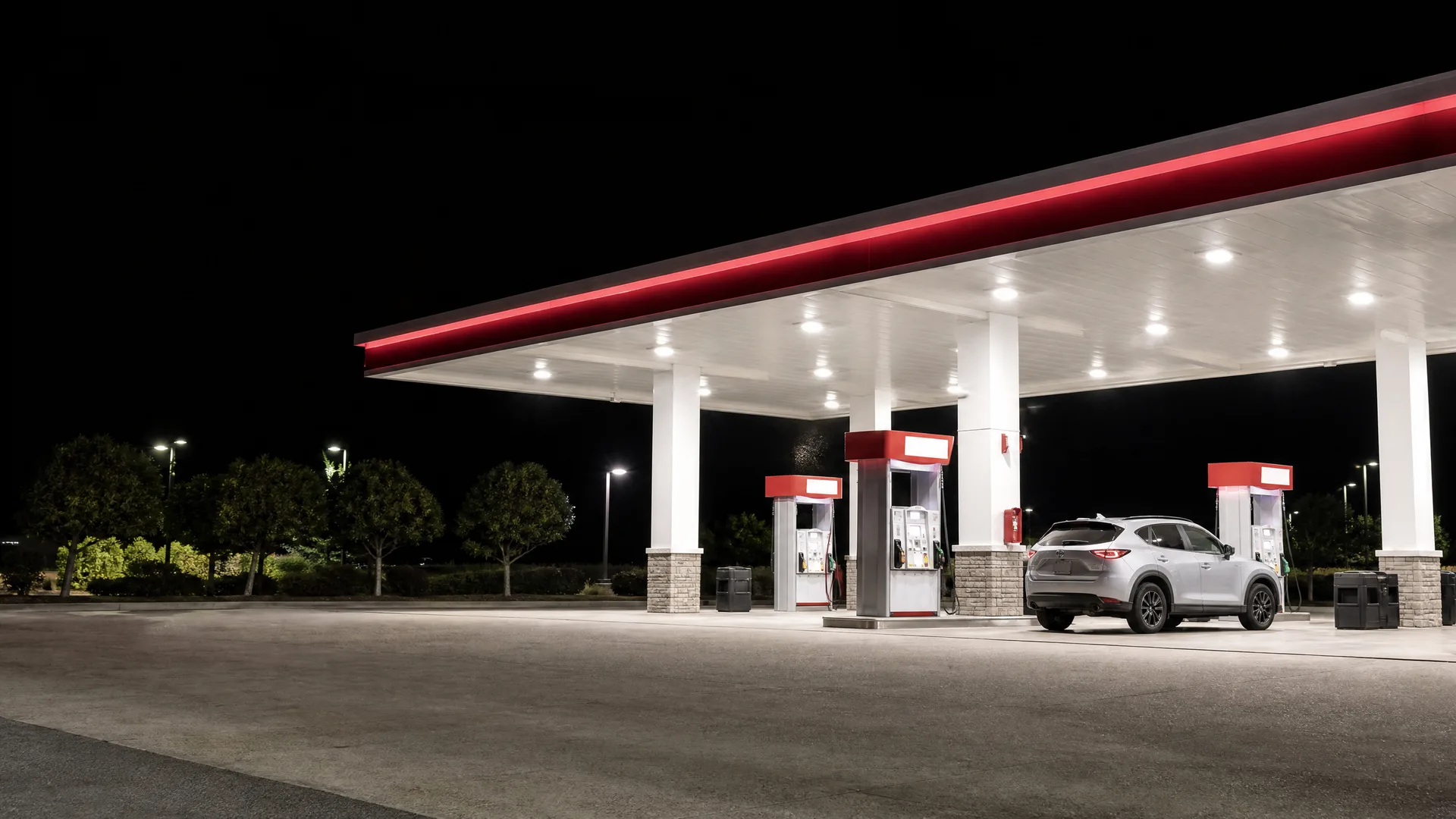
A second car sitting unused while a child is away
A parent had a second car in the driveway after their adult child moved out for a two-month work assignment and wasn't taking the car along. The car was fully insured with liability, collision, and comprehensive, the same as when it was driven daily. The parent called their insurer to ask what could change since the car wouldn't be driven at all during that stretch.
The insurer offered a comprehensive-only option for the two months, as long as the car stayed off the road entirely. The parent confirmed their state allowed this without requiring continuous liability, then made the switch and set a calendar reminder for the date their child would return. When the two months ended, one call restored full coverage before the car was driven again. The parent paid less during the idle stretch and had no gap in protection, since the car was still covered against theft and weather damage the whole time.
The car doesn't need full coverage to sit safely, it needs the right coverage, chosen on purpose.