Can I Cancel My Car Insurance Policy at Any Time
Yes, you can cancel at any time, but how you do it determines whether it saves you money or costs you.
What to handle before you cancel anything
- Line up the new policy first Never cancel before the replacement starts. Get the new policy's effective date confirmed, then cancel the old one for that same day.
- Check for a cancellation fee Some insurers charge a small fee for ending a policy mid-term. Ask your insurer directly, since this varies by company and by state.
- Ask about your refund You're usually owed money back for the unused portion of your premium. Confirm how it's calculated and how long it takes to arrive.
- Do it in writing A phone call isn't always enough to prove you cancelled. Send a written request or email and keep the confirmation for your records.
- Decide about extra cars If you're only dropping one vehicle from a multi-car policy, that's an edit, not a cancellation. Say clearly which outcome you want when you call.
Dropping a car nobody drives anymore
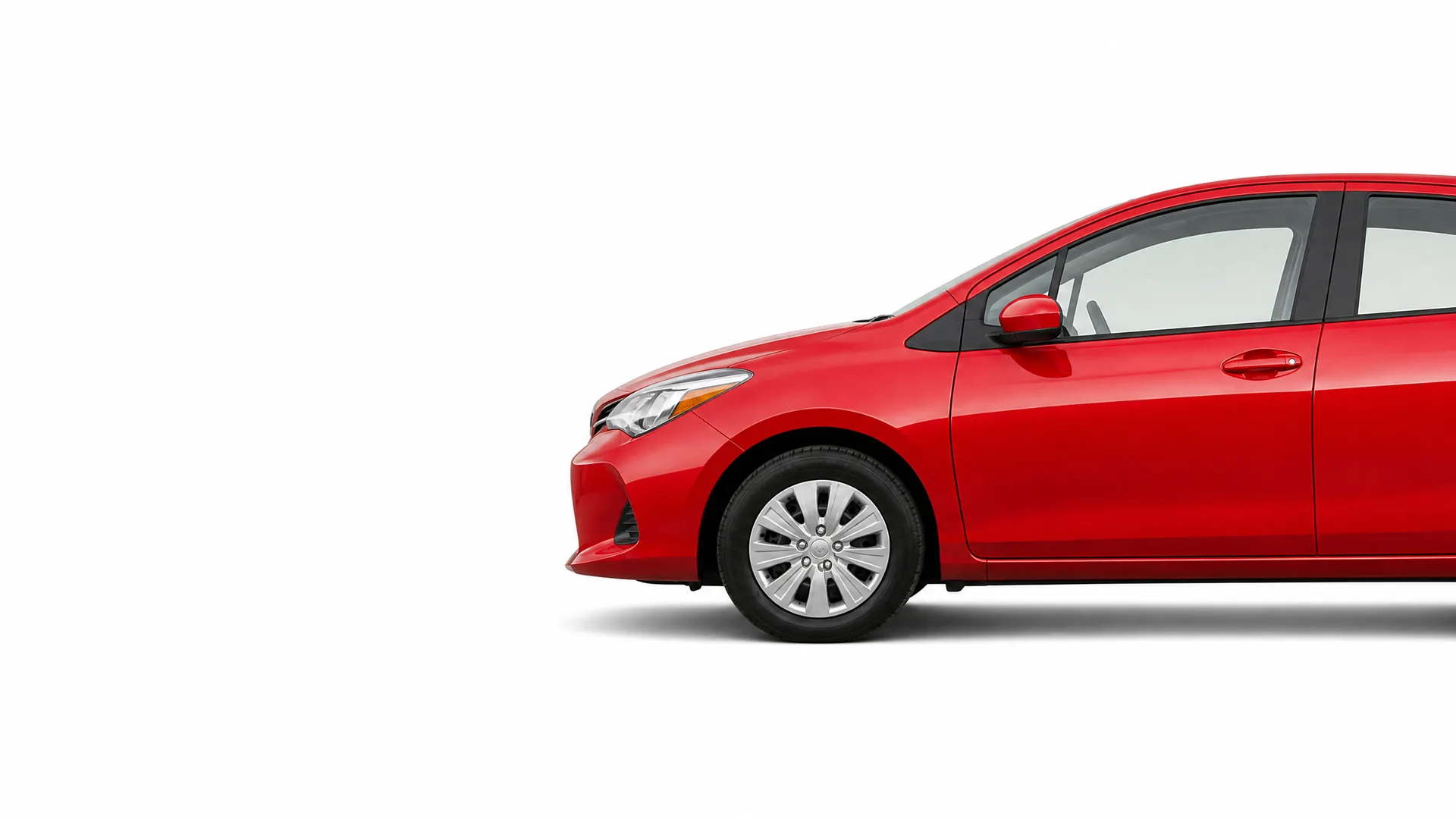
One parent called to cancel coverage on a car their son left behind when he moved into an apartment near his job. The car sat in the driveway most of the year, and they wanted it off the policy rather than paying full coverage on a vehicle nobody used regularly. They asked the insurer whether removing the car would trigger a cancellation fee, since it was a change to an existing policy rather than ending it outright.
The insurer confirmed there was no fee for removing a vehicle, only a recalculated premium for the remaining cars. They also asked what would happen if their son came home for a few weeks and wanted to drive the car occasionally. The insurer explained that occasional use by a listed household member can usually be added back temporarily without restarting the whole policy. They kept the car registered but uninsured until a visit was planned, then called ahead to add temporary coverage for those weeks, which turned out to be simpler than they expected.
The real decision isn't whether you can cancel, it's whether you've already secured what comes after.
Once you know how you'll cancel and when, compare quotes to find the replacement that actually fits your household now.

Cancelling before your new policy is confirmed
If you do
You drive uninsured even for a day. If you're in an accident or stopped, you have no coverage and may face fines or a suspended registration. Lenders financing your car may also flag the lapse and add their own costly coverage automatically.
If you don't
You stay covered the entire time, since the new policy starts the moment the old one ends. There's no gap, no scramble, and no risk if something happens on the road between the two policies. This is the safer order almost every time.
Will cancelling my policy early hurt my insurance history?
It can, depending on how you do it. Cancelling because you switched to a new policy with no lapse is routine and doesn't hurt you. But a lapse in coverage, even a short one, can show up when insurers check your history and may raise future rates. The key factor is whether there was continuous coverage, not the cancellation itself. Check with your new insurer about how they view past lapses before you assume it won't matter.
Can I cancel just one car without cancelling the whole policy?
Yes, this is a routine change rather than a full cancellation. You call your insurer, tell them which vehicle to remove, and they recalculate the premium for the cars that remain. There's typically no fee for this kind of edit, though confirm that with your insurer since policies differ. If the car is still owned and registered, check your state's rules, since some require at least minimal coverage on any registered vehicle.
What happens to my premium when I cancel mid-term?
You're generally owed a refund for the unused portion of what you already paid. How that refund is calculated varies by insurer, some prorate it exactly and others apply a short rate penalty for ending early. Ask directly how your refund will be figured before you cancel, so the number doesn't surprise you. If a fee applies, it's usually disclosed in your policy documents or by asking the insurer outright.