Can I Pause My Car Insurance for 6 Months
You can't truly pause a policy, but you can cancel it, and whether that's wise depends on whether the car sits unused the whole time.

The extra car nobody's driving anymore
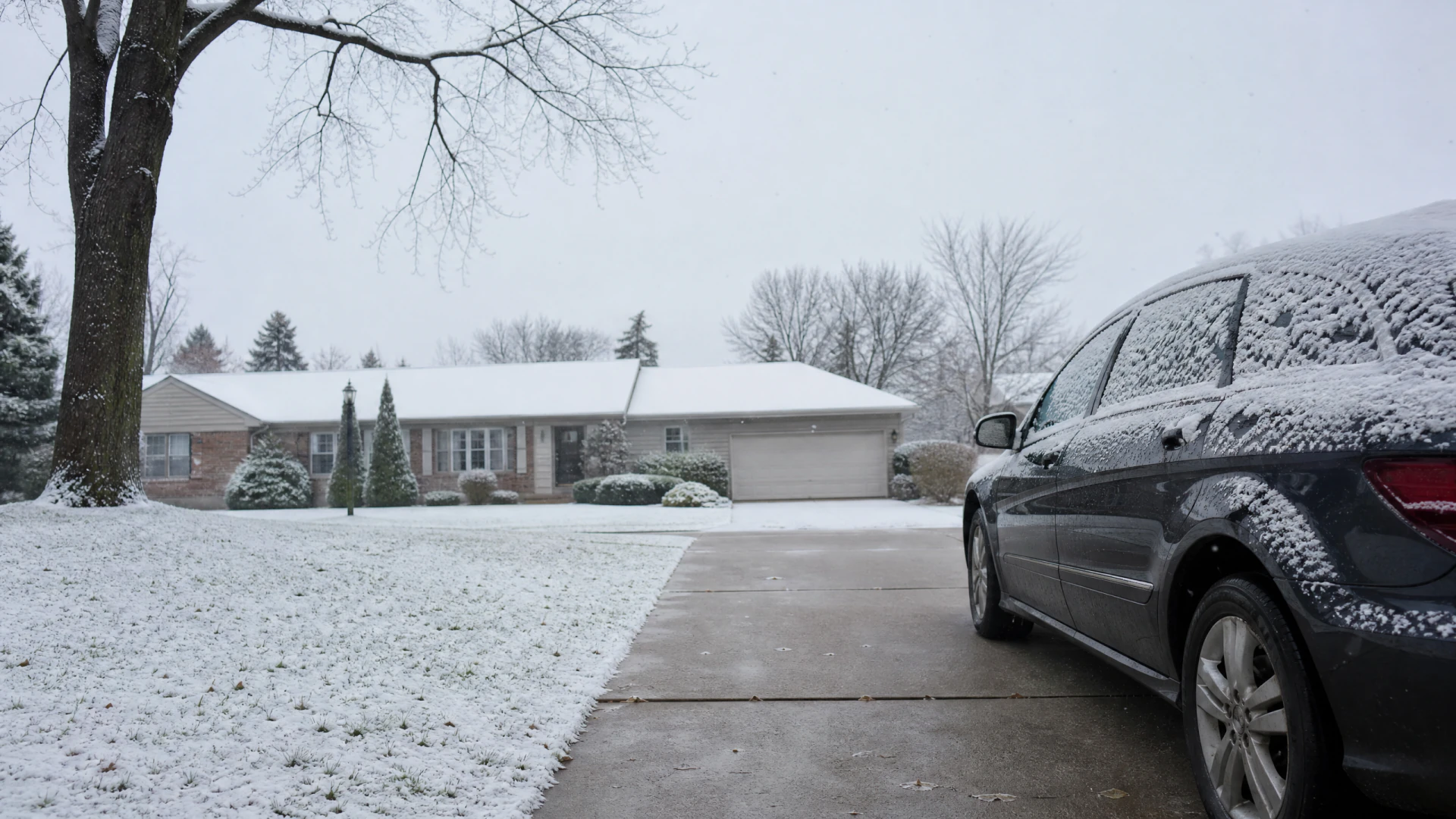
One parent kept their younger child's car insured for two years after the child moved out, figuring they'd drive it occasionally or sell it eventually. The car sat in the driveway most of the year, driven only when the child visited a few times. They were still paying full coverage on it every month, on top of their own policy, and started wondering whether they could just cancel it for the six months between visits.
They called their insurer and learned two things. First, canceling and restarting meant a new policy each time, possibly at a different rate, and a gap in coverage history that some insurers notice. Second, if they kept the car but weren't driving it, a storage-only or parked-car coverage option existed that cost much less than full coverage while still protecting against theft or damage. They switched to that instead of canceling outright, then added full coverage back for the weeks the child visited. It cost less than pausing and restarting would have, and there was no gap for an insurer to ask about later.
What happens to my rate if I cancel for six months and then restart?
Your new policy is priced as if you're a new customer, not a returning one, and insurers often reward continuous coverage with better rates. A six month gap can mean losing that pricing, even if your driving record hasn't changed at all.
How much this matters depends entirely on the insurer and the state you're in. Some weigh continuous coverage heavily, others barely factor it in. Before you cancel anything, ask your current insurer directly what a gap would do to your rate if you came back, and compare that answer against what you'd actually save by not paying during those six months. For many people the math favors keeping a minimal policy instead of canceling completely.

Canceling the policy versus switching to minimum coverage
If you do
If you cancel completely, you stop all payments right away and owe nothing for six months. But the car has zero protection the entire time, any gap may affect future pricing, and you'll need to shop for a new policy from scratch when you're ready to drive again.
If you don't
If you keep a reduced or storage-only policy instead, you pay a smaller amount each month but stay protected against theft, fire, or damage while parked. Your coverage history stays continuous, and you can add full coverage back quickly whenever the car gets driven again.
Once you know whether to cancel or reduce coverage, compare quotes to find which option costs less for your situation.
What to check before you cancel anything for six months
- Is the car actually parked If it won't be driven at all, ask about reduced coverage for a parked car instead of canceling. It protects against theft and damage for much less than full coverage.
- Check your state's rules Some states require a car to stay insured if it's registered, even if it's not driven. Check with your motor vehicle agency before you let coverage lapse.
- Ask about the gap penalty Call your insurer and ask exactly what a six month gap does to your rate when you restart. The answer varies a lot, so don't assume.
- Consider the visiting driver If your child drives the car when they visit, that's a reason to keep some coverage active rather than cancel it completely for the whole stretch.
- Compare the two costs directly Line up what you'd pay for reduced coverage against what you'd save by canceling and what restarting might cost later. The cheaper path isn't always obvious.
Why insurance isn't built to be paused
Car insurance is priced around continuous risk. The insurer is betting on the likelihood of something happening over a stretch of time, and that calculation assumes the policy either exists or it doesn't. There's no built in middle setting called pause, because from the insurer's side, a paused policy and a canceled one look the same. Either way, they're not covering you and not collecting payment.
What changes the math is whether the car itself is parked or driven. If nobody is touching the car for six months, you genuinely don't need the same coverage you'd want for a daily driver. That's why reduced or storage-only coverage exists. It's not a pause, it's a different, cheaper tier of coverage built for exactly this situation, and it keeps the policy technically active the whole time.
The reason continuous coverage matters so much comes down to how insurers judge risk. A driver who's been insured without interruption looks more predictable than one with a gap, even if nothing happened during that gap. Some insurers barely weigh this, others weigh it heavily, and which one you're dealing with changes whether canceling is actually the cheaper move once you restart.
State rules add another layer. Some places require continuous insurance on any registered vehicle, parked or not, which means canceling isn't even legal unless you also deregister the car. That's worth checking before you decide anything, since it can take canceling off the table entirely regardless of what makes financial sense.
The real choice isn't pause or cancel. It's whether the car needs full coverage at all right now.