Can I Stop Paying Insurance on a Car I Do Not Drive
You can usually cut the coverage way down, but you almost never can drop it to zero if the car still exists and sits on your property.

The car in the driveway nobody drives anymore
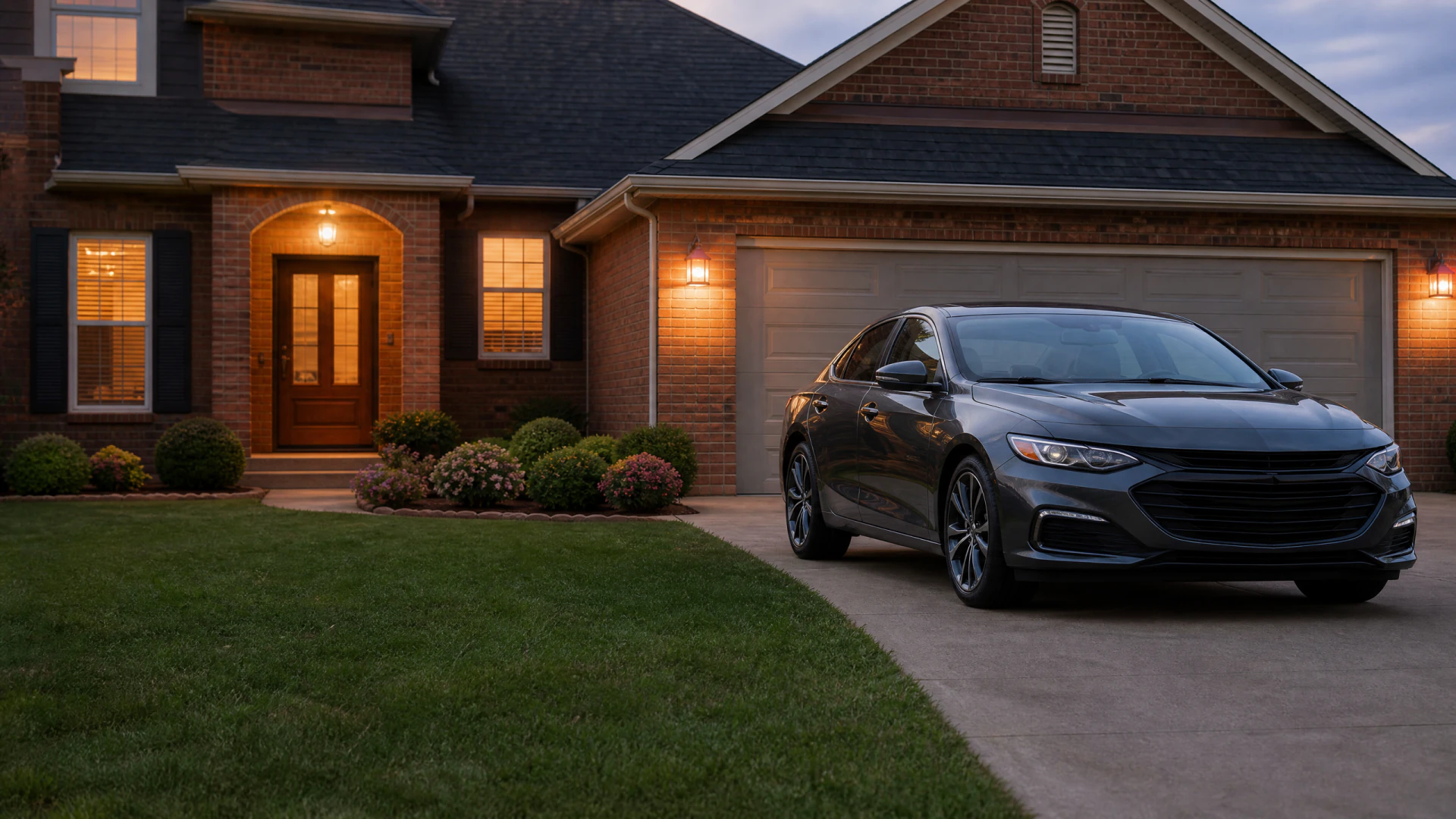
A couple had three cars insured and two drivers at home. Their younger child moved out for college and took one car part time, visiting on breaks and holidays, while the older sibling's car sat untouched in the garage since they'd moved across the country and bought their own vehicle there. The parents assumed they should just cancel insurance entirely on the unused car since no one was driving it.
Instead they called their insurer and switched that car to a storage only policy, which dropped the cost significantly but kept it protected against theft, fire, and weather damage. They removed the older child from the policy entirely since they now lived elsewhere and insured their own car. The younger child stayed listed as an occasional driver since they still used a car on visits. The bill dropped, but not to nothing, because the unused car still existed and still needed some protection sitting in the driveway.

The short version
You can't fully stop paying if the car still exists and sits on your property, but you can drop to a minimal storage policy that only covers theft and damage, not driving. If no one will ever drive it again, selling or transferring the title is the only way to stop payments completely.
What happens if my child drives the car once it's uninsured for driving?
If the car only has storage coverage and someone drives it, there's no protection for an accident, which means you'd personally cover any damage, injury, or liability that results. This applies even for a short trip to the store or picking something up.
Storage coverage exists specifically for cars that stay parked. The moment the car moves under its own power on a public road, it needs driving coverage active again. Some insurers can turn driving coverage on for very short windows if you call ahead, but you can't assume that's always available. If there's any chance the car gets driven, even occasionally, check with your insurer before assuming storage coverage is enough, since the gap in protection isn't worth the savings.
Now that you know what to drop and what to keep, compare quotes to find the cheapest storage or minimal coverage option.

Switching the unused car to storage only coverage
If you do
You keep protection against theft, fire, and weather while cutting the cost significantly since driving coverage is removed. If the car gets stolen or damaged while parked, you're still covered. You just can't legally drive it until you add driving coverage back.
If you don't
You keep paying full price for coverage you don't need, including liability and collision protection for a car that never moves. That money adds up every month for protection against a risk that doesn't exist, while the car just sits there costing you.
Should I remove my adult child from my policy if they moved out?
Yes, once they have their own car and address, they usually need their own policy instead of staying on yours. Check with your insurer about timing, since some want proof of a new address or registration before removing them. If they still drive your cars occasionally during visits, ask about adding them as an occasional driver instead of removing them completely, since that keeps things legal for short visits.
Is it cheaper to sell the unused car or keep it insured?
It depends on how long it'll sit unused and what the car is worth, so run the numbers for your situation. Storage coverage costs little compared to full coverage, so if the car might get used again soon or has sentimental or resale value, keeping it often makes sense. If it won't be driven for a long stretch and isn't worth much, selling clears the cost entirely and gets you cash instead of a depreciating asset sitting idle.
Can I switch a car to storage coverage and back whenever I want?
Yes, most insurers let you switch between storage and driving coverage as needed, but check how much notice they require. Some allow instant switching through an app or call, others need a day or two to process the change. If your child visits regularly and drives the stored car each time, ask whether frequent switching costs more in fees than just keeping occasional driver coverage active year round.
The real question isn't whether to cancel coverage, it's whether the car will ever move again.