Can I Store a Non-Running Car in a Storage Unit
You can store a non-running car in most storage units, but you still need to decide what coverage it keeps while parked.
Facilities allow it, but your policy still has to match reality
Storage facilities generally don't require a car to run before they'll rent you a unit. Their concern is liability on their property, not the mechanical state of what you're storing. So the facility side of this is usually simple. The harder question is what you do with the car's insurance once it's parked and not driven.
A car that isn't running and isn't being driven doesn't need the same coverage as one on the road. Full liability and collision coverage are built around the risk of driving, and if the car isn't moving, you're paying for risk that doesn't exist right now. Many insurers let you drop down to a coverage level meant for stored or non-operational vehicles, often called comprehensive-only. This still protects against fire, theft, vandalism, or weather damage, which are real risks for a car sitting in a storage unit, especially one that isn't climate controlled.
What varies is how your state and insurer define a car as off the road. Some require you to surrender the plates or file a formal non-use declaration before you can drop liability coverage. Others let you adjust coverage without any formal step, as long as the car isn't driven. This matters because driving the car even once, say to get it to the storage unit, while it's listed as non-operational can create a coverage gap. Check your state's rules and your insurer's specific process before you make the switch.
The other variable is the storage facility itself. Some require proof of insurance before they'll let you store any vehicle, running or not, because if something happens to your car or someone else's nearby, they want to know a policy exists. Ask the facility directly what they require, since this isn't universal.
A car that wouldn't start, and what changed before storage
One reader had an older car that stopped running after their adult child moved out and took the car they'd been driving. The non-running car sat in the driveway for months before they decided to move it into a storage unit rather than deal with it on the street. Before moving it, they called their insurer to ask whether they still needed full coverage on a car that wasn't going anywhere.
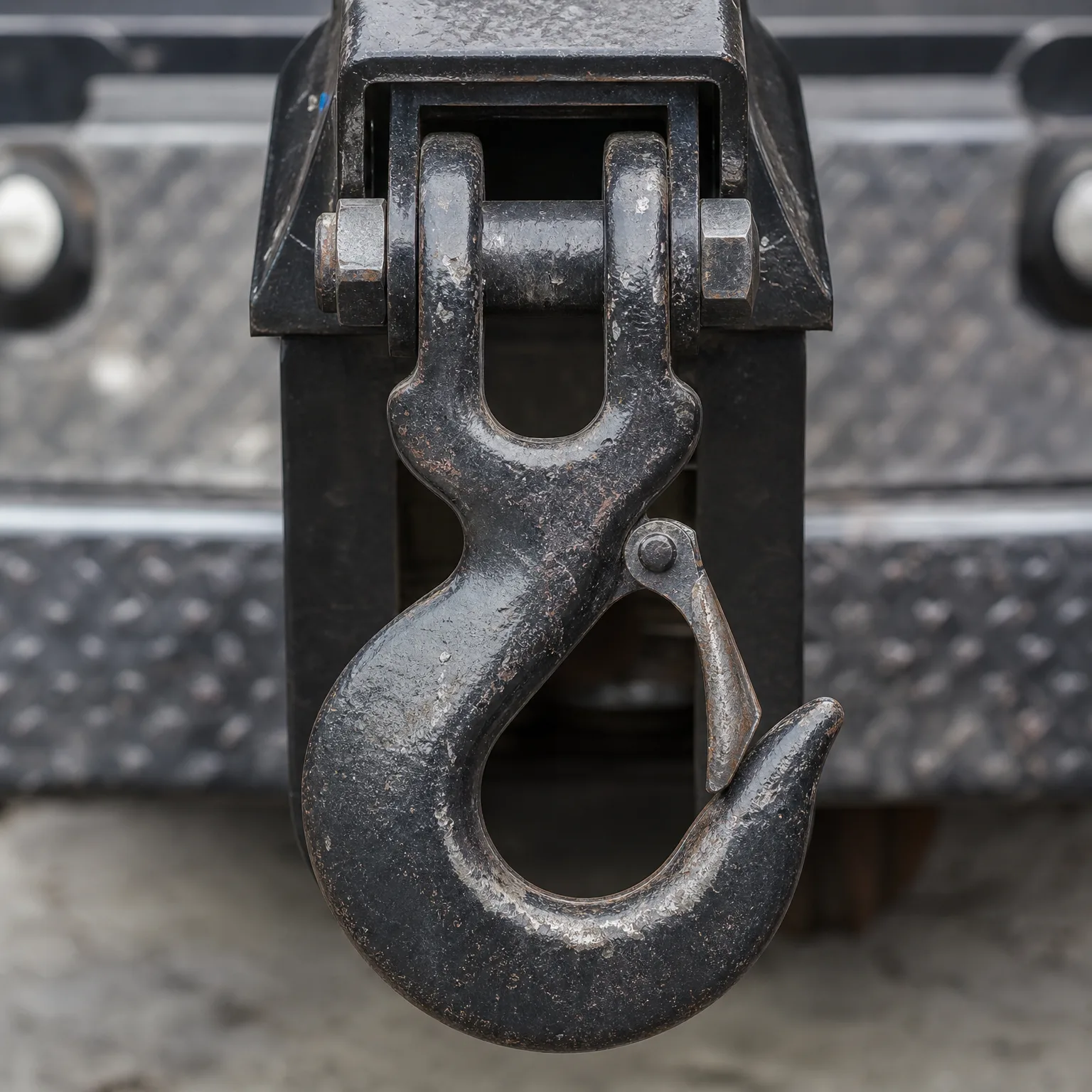
The insurer confirmed the car qualified for comprehensive-only coverage since it wasn't being driven, and walked them through dropping liability while keeping protection against theft and damage. They also checked with the storage facility, which asked for proof of that comprehensive coverage before accepting the car. Once that was in place, they arranged a tow to the facility rather than driving it there, since driving a car listed as non-operational would have voided the exact coverage they'd just set up. The end result was a lower premium on a car that wasn't being used, with protection still in place for the risks that actually applied to it sitting in storage.
A parked car still needs insurance, just not the kind built for driving. Match coverage to what it's doing.
Once you know what coverage the stored car actually needs, compare quotes for comprehensive-only coverage.

Switching to comprehensive-only coverage before storing the car
If you do
You keep protection against theft, fire, and weather damage while dropping the cost of coverage built for driving. You'll need to confirm the car won't be driven at all, arrange a tow instead, and check your state's rules on plates or non-use filings so there's no gap.
If you don't
You keep paying for liability and collision coverage that protects against driving risks the car no longer has. It's not unsafe, just more expensive than it needs to be for a car that isn't moving, and most insurers will adjust this if you ask.
What if someone drives the stored car while it's listed as non-operational?
If the car is in an accident or gets a ticket while you're carrying comprehensive-only coverage, liability claims likely won't be covered, since that coverage exists specifically because the car isn't supposed to be driven. This applies even to a short trip, like moving the car within the storage lot or taking it for a quick test of the engine.
If you expect the car might need to be driven occasionally, even rarely, it's worth asking your insurer whether a different coverage level makes more sense, or whether you need to switch back to full coverage temporarily before any planned drive. The safest approach is to treat the non-operational status as literal. Arrange towing for the move in and out of storage, and don't start the engine and drive it even a short distance until you've restored full coverage.