Can You Insure Someone with a Different Address
Yes, you can insure someone at a different address, but the insurer needs to know why, and it changes what you're covering.
Why this comes down to who actually drives which car
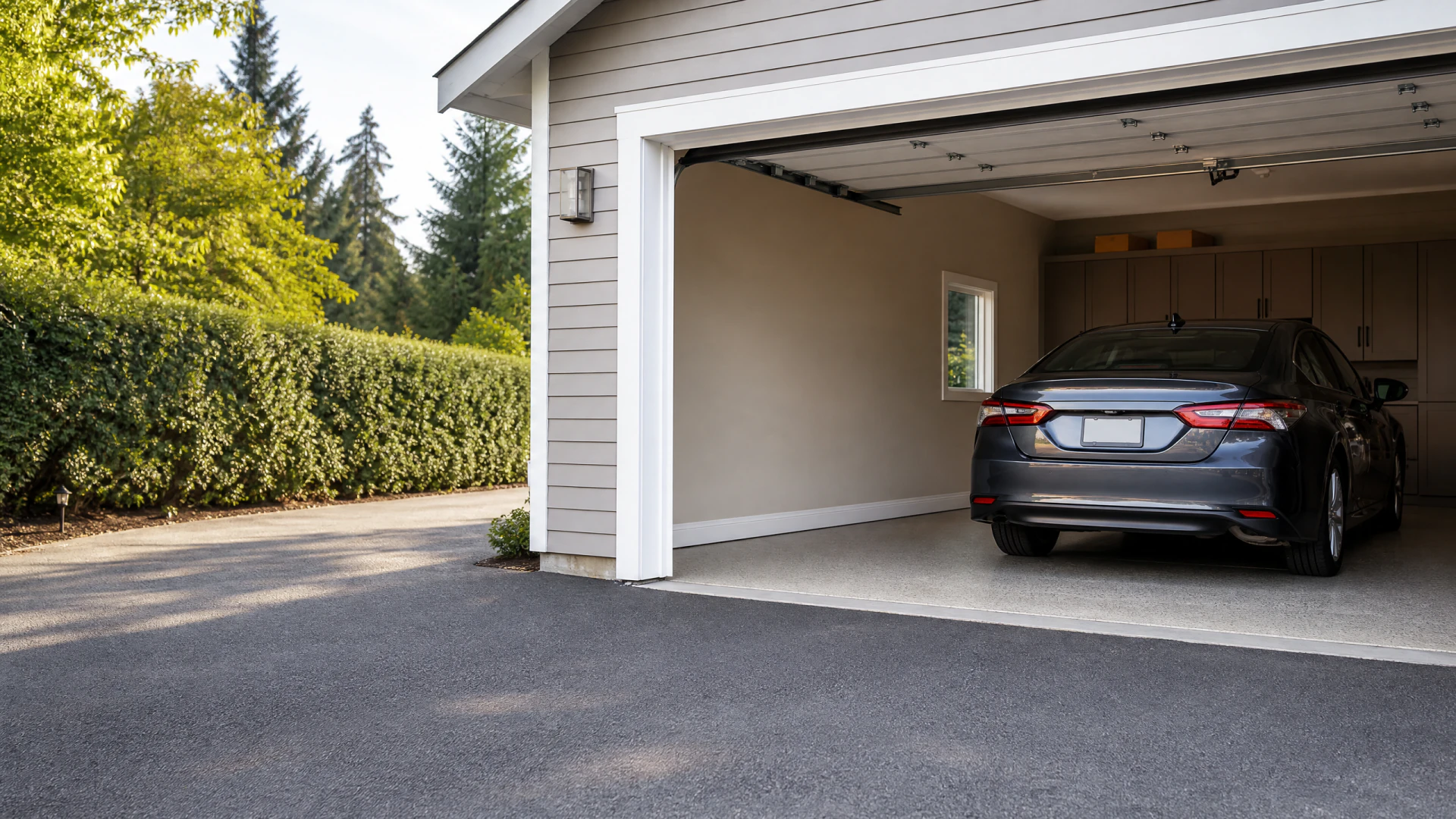
Car insurance is built around a simple question: who regularly drives this vehicle, and where does that vehicle usually live. An address isn't just contact information on a policy, it tells the insurer where the car is parked most nights, which affects risk and cost. When your adult child moves out but still drives a car registered to you, or still shows up on your policy, the insurer wants to understand that arrangement clearly.
Most insurers will let you keep a family member on your policy even if their mailing address differs from yours, as long as there's a reasonable connection, like the car itself staying garaged at your home, or the person being away temporarily for school. The key fact isn't the address on their license. It's where the car actually spends its time and who's driving it day to day.
This gets harder once the move looks permanent and the person has their own car, their own insurance needs, and no real tie to your household anymore. At that point, insurers generally expect them to carry their own policy, because the risk they represent no longer has much to do with your address or your household. Keeping them listed when they've genuinely moved on can create problems if a claim happens, since the insurer may question why someone living elsewhere, driving a car kept elsewhere, was still on your policy.
Rules about exactly how much address difference is allowed, and what documentation they'll ask for, vary by insurer and by state. Some are flexible about college students or short-term moves. Others want an address change reported quickly. Call and ask directly what your insurer requires before assuming your current setup still fits.
The short version
Yes, you can insure someone at a different address if there's still a real connection, like a shared car or a temporary move. Once the move is permanent and they have their own car, they need their own policy. Call your insurer and describe the actual living and driving situation, then let them tell you what changes.
Does my child need their own policy once they move out?
Not automatically. What matters is whether they still drive a car that's garaged at your home and listed on your policy, or whether they now have their own car at their own address. If the car stays with you and they just visit and drive occasionally, keeping them on your policy as a listed driver usually still works.
Once they have a car registered at their new address, most insurers want that car and that driver on a separate policy. This isn't just a technicality. If something happens and the facts don't match what the insurer was told, a claim can get delayed or denied. The cleanest line to draw is based on the car, not the person. Ask yourself where the vehicle actually lives, then ask your insurer if your answer still fits their rules.
Once you know if they still belong on your policy, compare quotes to see what keeping or separating them actually costs.

A son who moved out but still drives the family car
A parent had a son who moved into his own apartment across town but still used the older family sedan a few times a week, since he hadn't bought his own car yet. The parent assumed he needed to come off the policy immediately because his driver's license now showed a new address. Instead, they called the insurer and explained that the car stayed garaged at the parent's home and the son didn't have a vehicle of his own.
The insurer said he could stay listed as a driver as long as that stayed true, since the car's main address hadn't changed. They did flag that once he bought his own car, he'd need his own policy at that point. The parent kept him on, saved the cost of a separate policy during a stretch where he didn't need one, and set a reminder to revisit it once he got his own vehicle. It turned out to be the right call because nothing about the actual risk had changed, only his mailing address.
The address on a license matters less than where the car actually lives and who actually drives it.