Can You Put Storage Insurance on a Car With a Loan
You can reduce coverage while a car sits unused, but a loan means you can't drop it down to storage-only insurance.
Why a loan changes what you're allowed to carry
When you finance a car, the lender has a financial stake in it until the loan is paid off. They require you to carry comprehensive and collision coverage the whole time, not just while you drive it. That requirement doesn't pause because the car is parked.
Storage insurance, sometimes called parked car coverage, usually means dropping liability and keeping only comprehensive, since the car isn't being driven and can't cause an accident. For an owned car with no loan, that's a real option. For a financed car, it isn't, because the lender's agreement with you specifies minimum coverage types, not just minimum amounts.
What you can usually do is lower mileage estimates, raise deductibles, or confirm you're not paying for roadside or rental reimbursement you don't need while the car sits. These changes can shrink the bill without violating the loan terms. The savings won't be as large as true storage insurance, but they're real and they're allowed.
Some lenders are stricter than others about what counts as adequate coverage, and some states have their own rules about minimum liability even on a car that's rarely driven. Check your loan agreement and ask your insurer directly before changing anything, so you're not caught uninsured in a way that breaches the loan.

What to check before you change anything
- Read the loan agreement Your contract states the minimum coverage required, usually comprehensive and collision. Pull it out and confirm before you call your insurer.
- Call before you cancel Dropping liability without lender approval can count as a breach of the loan. Ask your insurer what reduced coverage is allowed while the car is parked.
- Lower mileage estimates If the car won't be driven, your insurer can adjust your rate based on expected mileage. This is one of the few discounts available without violating loan terms.
- Raise your deductible A higher deductible lowers your premium and still satisfies the lender's coverage requirement. Only do this if you could cover that amount out of pocket.
- Drop extras you won't use Roadside assistance and rental reimbursement don't help a parked car. Removing them trims the bill without touching the coverage your loan requires.

Once you know what coverage your loan actually requires, compare quotes to find the cheapest way to carry it.
A parent storing a car while a child is away
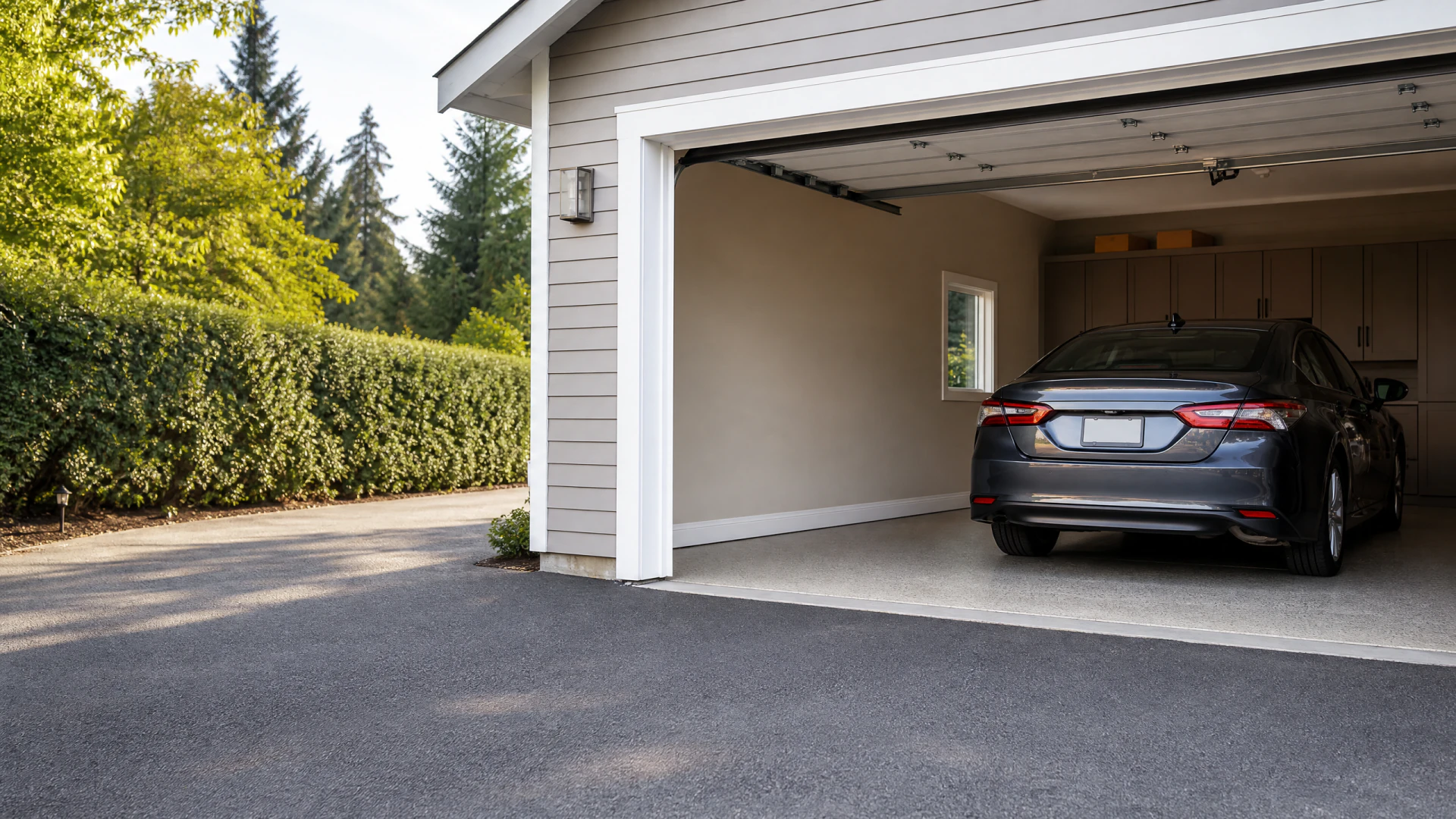
One parent had a financed car sitting in the garage after their child left for a semester abroad. They assumed they could switch to storage-only coverage like they'd heard friends with paid-off cars do, and called their insurer expecting a quick change. The insurer explained that because the loan was still active, comprehensive and collision had to stay in place the entire time, and dropping liability wasn't an option.
Instead, the parent lowered the estimated annual mileage, since the car wouldn't be driven for months, and raised the deductible slightly since they had savings to cover it if needed. They also removed rental reimbursement coverage, since there was no one who'd need a replacement car while it sat. The changes brought the premium down noticeably without breaching the loan agreement, and when the child came home, they switched the mileage estimate back and kept the same policy running the whole time.

The loan is the real limit here, not your preference. Insurance decisions follow it, not the other way around.
What happens if I cancel coverage the lender requires anyway?
If you cancel required coverage without telling your lender, you're technically in breach of your loan agreement, even if nothing happens to the car. Lenders often monitor this through required proof of insurance, and if your coverage lapses or drops below what the loan specifies, they can add their own insurance to the loan automatically. That lender-placed coverage is usually far more expensive than anything you'd choose yourself, and it protects the lender's interest in the car, not you.
If you're caught without the required coverage and something happens to the car, like theft or weather damage, you could end up responsible for the full remaining loan balance with no payout to offset it. The safer path is always to call your lender or insurer first and ask what's allowed, rather than assuming a storage policy applies the same way it would to a car you own outright.