Does It Matter Whose Name Is on the Car
Yes, it matters. The name on the title and the name on the policy decide who's financially responsible and who should be insuring that car.
Ownership and insurance are separate questions that affect each other
The title tells you who owns the car. The insurance policy tells you who's responsible for what happens when it's driven. Most of the time parents assume these travel together, but they don't have to, and the gap between them is exactly where confusion starts once a grown child isn't living at home anymore.
When a car is titled to a parent but mainly driven by an adult child, insurers generally still want that child listed as a driver on the policy, even if they live elsewhere. The logic is simple. The policy is meant to reflect who actually drives the car regularly, not just who holds the paperwork. Leaving a frequent driver off the policy to save money is the kind of gap that causes real problems if that driver is ever in an accident.
When the car is titled in the adult child's own name, the cleanest path is usually their own policy, especially once they have a stable address. Keeping them on a parent's policy after they've moved out can still work in some cases, particularly if they're away at school or only home part of the year, but once they're settled somewhere else with their own car, insurers and states start to expect separate coverage.
What counts as 'moved out enough' to require their own policy varies by insurer and sometimes by state. Some draw the line at a permanent address, others look at whether the car is garaged somewhere else overnight. If you're unsure where your situation falls, that's worth a direct question to whoever holds your policy now, before you decide what to remove or keep.

What actually changes depending on whose name is on the car
- Title versus policy The title shows ownership, the policy shows coverage, and they don't have to match. Check both separately instead of assuming one settles the other.
- Where the car is garaged Insurers care about where a car sleeps at night, not just who owns it. If your child's car is garaged at their new address, that address belongs on the policy.
- Occasional visits home A child visiting and driving occasionally is usually still fine under a parent's policy. Ask your insurer how many days or how often counts as occasional in your case.
- Co-signing versus insuring Having your name on a loan or title doesn't mean you're covering the car yourself. Confirm who's listed as the primary driver so the right person is responsible.
- Switching the name later Moving a car fully into an adult child's name later is normal and common. Update the title and the policy together so there's no gap between them.
A son's car still titled to his parents
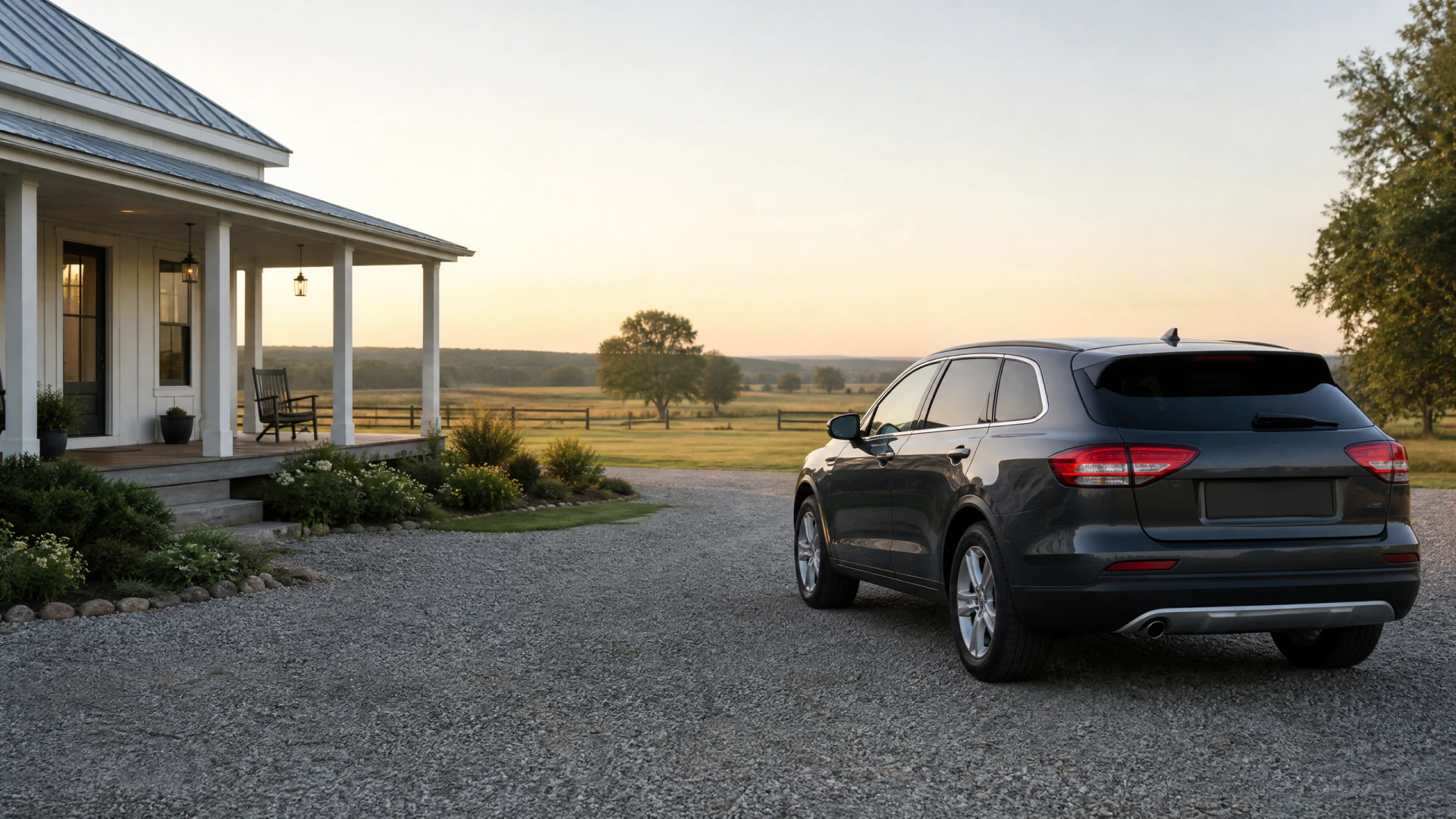
A couple's son moved two hours away for a new job and took the car that was still titled in his father's name. For months it stayed on the family policy because nobody wanted to deal with retitling it, and the son assumed he was covered the same way he always had been.
When the parents called to review their policy, the agent asked where the car was garaged overnight. Once they said it was at their son's new apartment, the agent explained the car needed to be rated at that address, and the son was better off with his own policy now that he had a steady job and address. They retitled the car into his name, he opened his own policy, and the parents' premium dropped since they were no longer covering a car they never saw.
Now that you know who should be insuring which car, compare quotes to avoid paying for coverage that belongs elsewhere.

Keeping an adult child on your policy after they've moved out
If you do
Your policy may still list them even though they live elsewhere. If they only visit occasionally this can be fine, but if they live there full time with their own car, insurers may flag it. You could pay for a driver you rarely see, or face questions if a claim comes up.
If you don't
They'll need their own policy once they have a stable address and their own car. Expect a separate bill in their name, but also a policy that fits their actual situation instead of carrying leftover assumptions from when they lived at home. It usually simplifies both your coverage and theirs.
Should my adult child get their own policy if they still drive my car sometimes?
If they're visiting and driving occasionally, staying on your policy as a listed driver is usually fine. The line moves once they have their own address, their own car, or drive regularly enough that your insurer would consider them a resident of their own household rather than yours.
The safest approach is to tell your insurer the real situation and let them tell you where the line falls, since it varies by company and sometimes by state. Guessing wrong in either direction causes problems, either paying for coverage you don't need or leaving a real gap if your child is driving more than your policy assumes.