How Long Can a Car Be Stored Without Starting
A car can usually sit for a few weeks without harm, but past a month or two, several parts start working against you.
Why time alone isn't the real enemy, decay is
A car isn't built to be parked indefinitely. Everything inside it, from the battery to the fuel to the rubber seals, is designed to be used regularly. When it sits, small chemical and mechanical processes keep happening even though nothing is moving. The battery slowly discharges. Fuel begins to break down and separate. Tires develop flat spots where they touch the ground. None of this happens on a strict schedule, which is why there's no single answer that fits every car.
What changes the timeline is mostly environment and the car itself. A newer battery in a heated garage will hold its charge far longer than an older one in a cold driveway. Fuel with stabilizer added will resist breakdown much longer than fuel left untreated. Humidity speeds up corrosion on brake lines and exhaust components, so a car stored somewhere damp faces problems sooner than one kept dry.
The type of car matters too. Older carbureted engines and modern fuel-injected ones respond differently to sitting fuel. Cars with a lot of electronics draw small amounts of power even when off, which drains the battery faster than a simpler, older vehicle. This is one of the places where checking your specific make and model, or your owner's manual, tells you more than a general rule ever could.
Insurance plays a role here too, though indirectly. A car that sits unused for a long stretch can still be driven into, hit by weather, or stolen, so coverage questions around storage are different from questions about mechanical readiness. Some insurers offer adjusted coverage for a car that isn't being driven, and that's worth asking about separately from the mechanical side of storage.
What actually fails first when a car sits too long
- Battery charge Batteries lose charge just sitting, even disconnected. If you're storing more than a few weeks, use a maintainer or disconnect it to avoid a dead battery on day one.
- Fuel breakdown Gasoline degrades and can gum up the fuel system after a month or two. Add a fuel stabilizer or plan to run the tank low and refill before long storage.
- Tire flat spots Tires sitting in one position for weeks can develop flat spots from the weight of the car. Moving the car periodically or using tire cradles helps prevent this.
- Fluid settling Oil and other fluids can settle or seep past seals when unused for a long time. A short drive before long-term parking and a check afterward catches most issues early.
- Pest and moisture damage Rodents and moisture cause real damage during storage, chewing wires or rusting components. Store somewhere dry and sealed, and check under the hood occasionally.
A car left for a season while someone travels
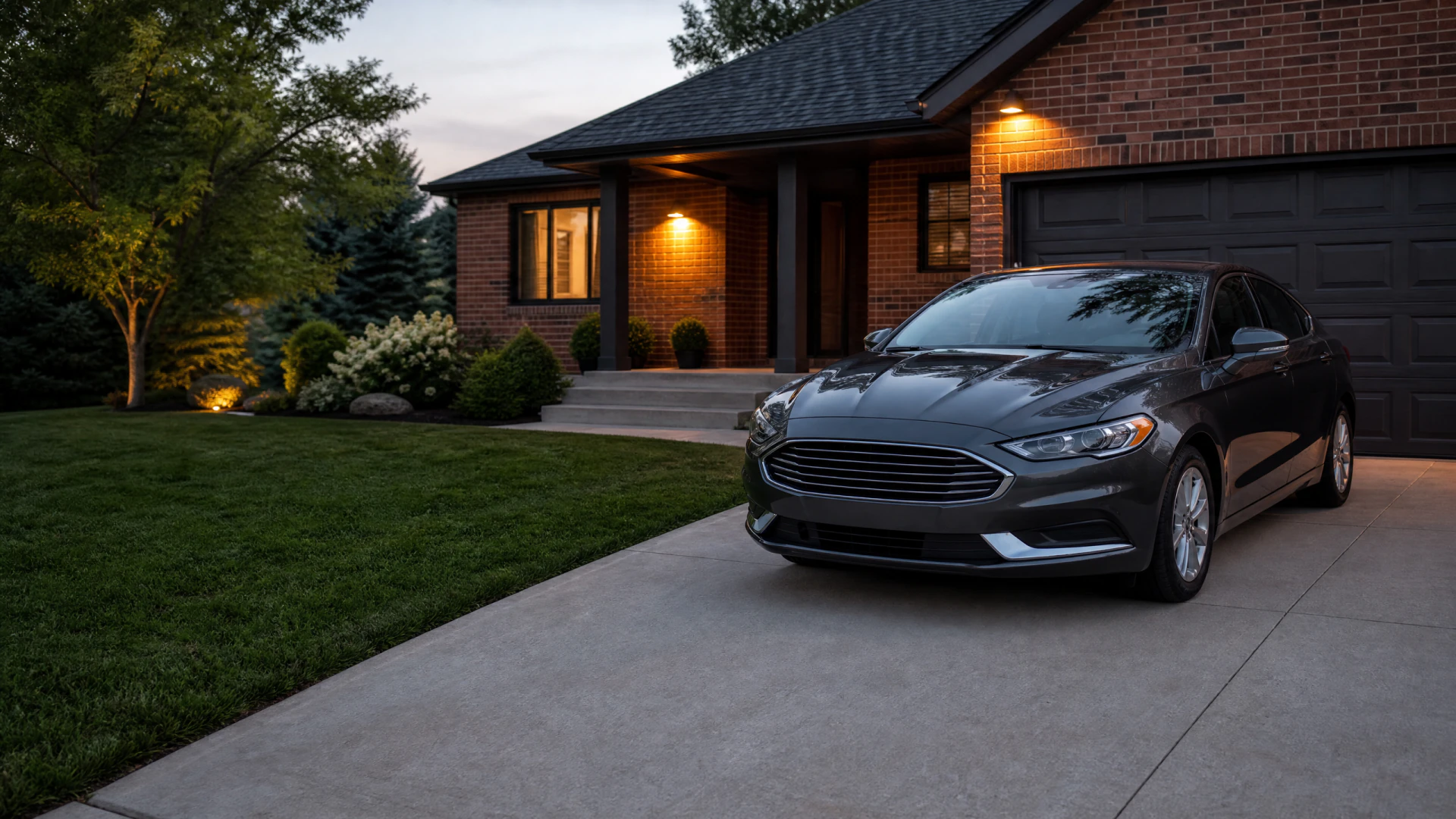
Someone heads out for an extended work assignment and leaves their car in the garage, assuming a few months won't matter. They don't disconnect the battery, don't add fuel stabilizer, and don't move the car at all during that stretch. When they return, the battery is completely dead and the car needs a jump just to turn over.
Once it starts, the engine runs rough for a few minutes because the fuel sitting in the lines has started to degrade. They also notice a faint flat feeling in the ride until the tires warm up and round back out from sitting in one spot. Nothing is permanently damaged, but a maintainer on the battery and a stabilizer in the tank would have avoided all three problems. It's a common outcome for anyone who stores a car without realizing how quickly small things catch up when nothing is running or moving.
Once you know how you'll store the car, compare quotes to make sure its coverage matches how it's actually being used.

Whether you prep the car before storing it
If you do
You disconnect or maintain the battery, stabilize the fuel, and park it somewhere dry. When you come back, the car starts normally, the tires haven't flat-spotted, and nothing smells like gas gone bad. You spend a few minutes checking fluids and you're back on the road the same day, no towing or repairs needed.
If you don't
You come back to a dead battery, a rough-running engine from degraded fuel, and tires that thump until they warm up. Nothing is destroyed, but you need a jump, maybe a fuel system flush, and a slower start getting the car reliable again. It's inconvenient and sometimes costly, but usually fixable with time and patience.
Do I need to disconnect the battery for storage?
Not always, but it helps. If you're storing for more than a few weeks, disconnecting the battery or using a maintainer prevents the slow drain that kills it. For shorter storage, a healthy battery in good weather often survives fine on its own. Check your battery's age and condition first, since an older battery will drain faster regardless of how long you're storing the car.
Should I keep insurance on a car I'm not driving?
In most cases, yes, because an unused car can still be damaged, stolen, or hit by weather while parked. Some insurers offer reduced coverage for cars not being driven, which can lower cost without dropping protection entirely. Ask your insurer what options exist for storage specifically, since this varies by company and sometimes by state.
Is it bad to start a stored car without driving it?
Starting it occasionally without driving helps circulate fluids and keep the battery topped off, but it's not a full substitute for driving. Letting it idle also doesn't fully warm the engine or tires the way driving does. If you can, a short drive every few weeks does more good than just starting it in place.

The real risk isn't the calendar, it's what you do or don't do before parking it.