How to Get Car Insurance for the First Time Without a Car
You can get a non-owner car insurance policy that builds driving history without requiring you to own or lease a vehicle.
What actually matters when you have no car yet
- Ask for a non-owner policy This covers you as a driver on cars you don't own, like rentals or borrowed cars. Call insurers directly and ask specifically for this policy type, since it isn't always advertised.
- It builds your record Carrying continuous coverage now means you won't look like a brand new driver later when you do buy a car. Keep it active even if you rarely drive, so the history stays unbroken.
- Know its limits A non-owner policy generally won't cover a car you drive regularly or one registered in your name. Once you buy a car, you'll need to switch to a standard policy right away.
- Compare insurers carefully Some insurers weigh a thin driving history differently than others. Get quotes from a few before committing, since the same person can get very different offers.
- Consider a parent's policy If you still drive a parent's car sometimes, staying listed there might cost less than a separate policy. Weigh this against how soon you'll have your own car.
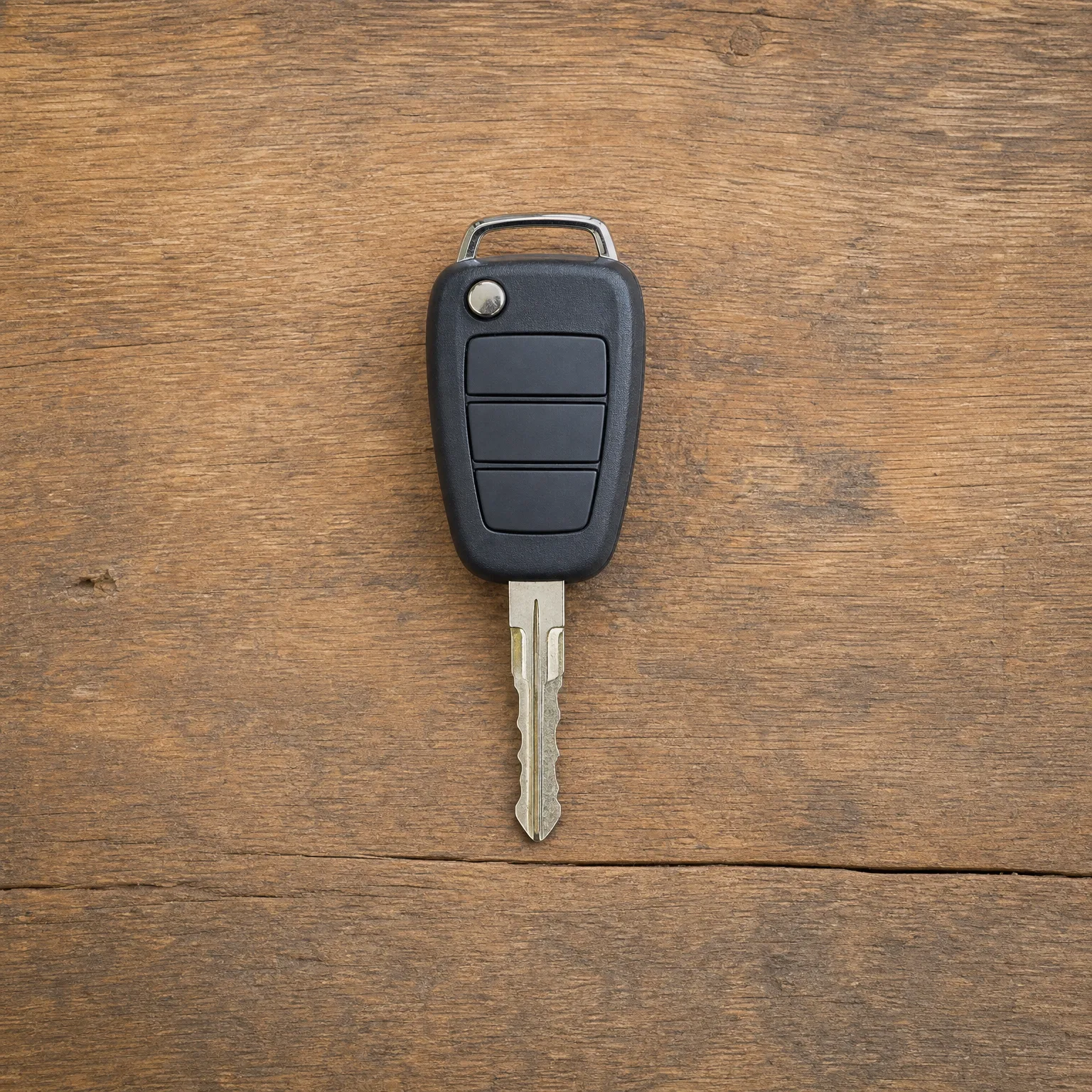
A young adult who needs coverage before buying a car
A young adult moved to a new city for a job and planned to rely on rideshares and occasional rental cars before buying a vehicle. They had been listed on a parent's policy as a student but were now living independently and off that policy. They worried that having no coverage during this gap would make them look like a risk later, when they finally did buy a car and needed their own policy.
They called a few insurers and asked specifically about non-owner coverage. One insurer offered a policy that covered them whenever they drove a rental or a friend's car, at a cost that fit easily into their budget. They kept it active for the entire gap period, even during a stretch when they barely drove at all. When they eventually bought a car, the insurer treated them as someone with an established record rather than a brand new driver, and the quote reflected that.
Not having a car yet doesn't mean you have to start your driving record from zero later.
Once you know whether a non-owner policy or a parent's plan fits your situation, compare quotes to find the best price.
Why insurers offer coverage for people without a car
Insurers care about risk, and risk comes from how a person drives, not from whether they currently own a vehicle. A non-owner policy exists because insurers still want to price and track people who are driving occasionally, even without a car of their own. It lets them collect premium and build a relationship with a driver before that driver becomes a bigger underwriting question later, when they do buy a car.
The record you build matters because insurers look at continuous coverage as a signal. A gap in coverage, even an innocent one caused by not owning a car, can look the same on paper as a lapse caused by risk or nonpayment. Carrying a non-owner policy closes that gap and shows a documented history of being insured without incident, which typically leads to better offers once you do need a standard policy.
Where this plays out differently is in how much weight insurers give to a thin or unusual history. Some will treat a short non-owner policy period as meaningfully equivalent to a standard policy period. Others care more about the underlying driving record and license age than about whether the coverage was owner or non-owner. This is one of the areas that varies by insurer, so it's worth asking directly how a given company treats this situation before assuming the policy will help as much as you expect.
The other variable is whether staying on a parent's or guardian's policy is even allowed in your situation, since this depends on the relationship, the state, and the specific insurer's rules. If that path is open to you, it can sometimes be cheaper than a separate non-owner policy, but it also means your record is tied to a household policy rather than standing on its own. Check both paths before deciding, since the better option depends on how soon you expect to buy a car and whether you want a fully independent record starting now.

Will a non-owner policy actually lower my rate when I buy a car?
It generally helps, but how much depends on the insurer and how long you carried the policy. The main benefit is avoiding a coverage gap and showing a documented history of insurance without claims. Insurers weighing a new applicant often look favorably on continuous coverage, even if that coverage was a non-owner policy rather than a standard one.
How much weight any single insurer gives this varies, so it helps to ask directly rather than assume. Some insurers draw a clearer line between owner and non-owner coverage than others. The safest approach is to keep the policy active for as long as possible before buying a car, avoid any lapse, and shop around when you do buy, since the insurer who benefits you most now may not be the one who rewards this history best later.