Is It Better to Drive a Car or Let It Sit
A car that sits unused still needs decisions made about it, and driving it occasionally is usually better than letting it sit untouched.
What to decide about the car nobody drives much anymore
- Check the coverage type If the car still has full coverage, a long stretch of sitting idle doesn't save you much. Ask whether a reduced coverage option fits a car that's rarely driven.
- Start it and move it A car that never runs develops problems with the battery, tires, and fluids that driving prevents. Start it and drive it around the block every so often, even without a destination.
- Update who drives it If the car is now driven by one adult child who visits occasionally, say so on the policy. Leaving an old driver list unchanged can cost you or leave a gap in coverage.
- Decide if you need it at all If nobody is driving it regularly, ask whether keeping it insured and registered still makes sense. Selling it might cost less than maintaining a car that mostly sits.
- Watch for storage rules Some insurers have specific terms for a vehicle that isn't driven regularly, like stored or limited use. Ask what qualifies and what it changes about your premium.
Does a car lose insurance coverage if it just sits in the driveway?
No, a car doesn't lose coverage just because it sits. As long as the policy is active and premiums are paid, the car stays covered whether it's driven daily or parked for months. What changes is what kind of coverage makes sense.
A car that isn't driven doesn't need the same protection as one that's on the road every day. You might still want comprehensive coverage, since that protects against theft, weather damage, or a tree branch, all of which can happen to a parked car. But liability and collision coverage exist mainly to protect against the risks of driving, so a car that stays parked may need less of it.
The key is telling your insurer the truth about how the car is used. A car that's rarely driven should be rated that way, and a car that's driven regularly should be rated that way too. Mismatches in either direction cause problems, either paying for protection you don't need or being underinsured for how the car is used.

Once you know how each car is actually used, compare quotes based on that, not on what used to be true.

Should you keep driving the car that mostly sits
If you do
You catch problems early, like a battery that won't hold a charge or tires that are losing air. The car stays in better condition, and you avoid an expensive repair bill the day someone actually needs to drive it somewhere.
If you don't
The battery drains, the tires develop flat spots, and fluids break down without circulating. When someone finally needs the car, maybe when your kid visits, it may not start, and you're paying for a repair or a tow instead of a quick oil change.
The car that sat untouched for a year
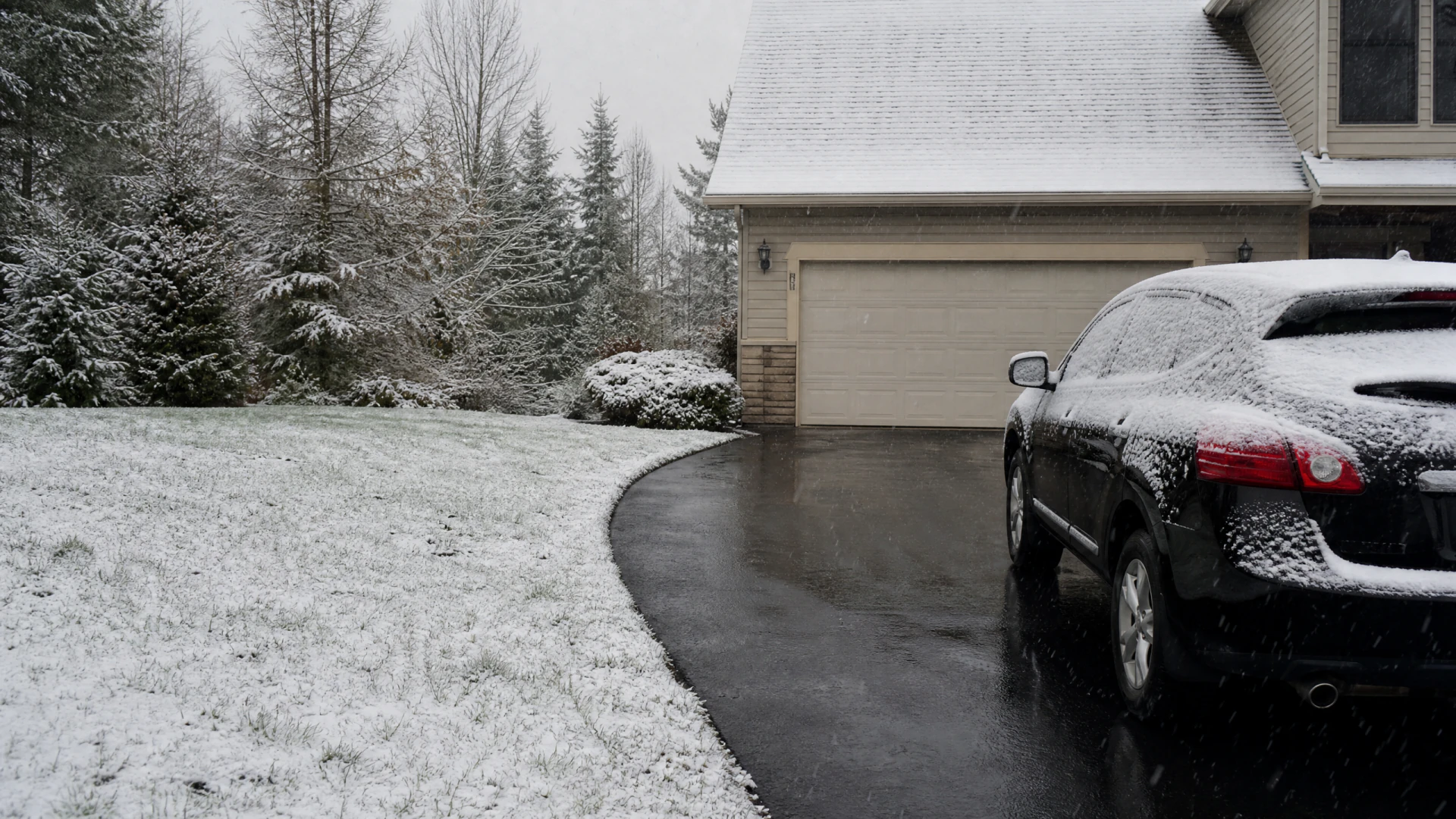
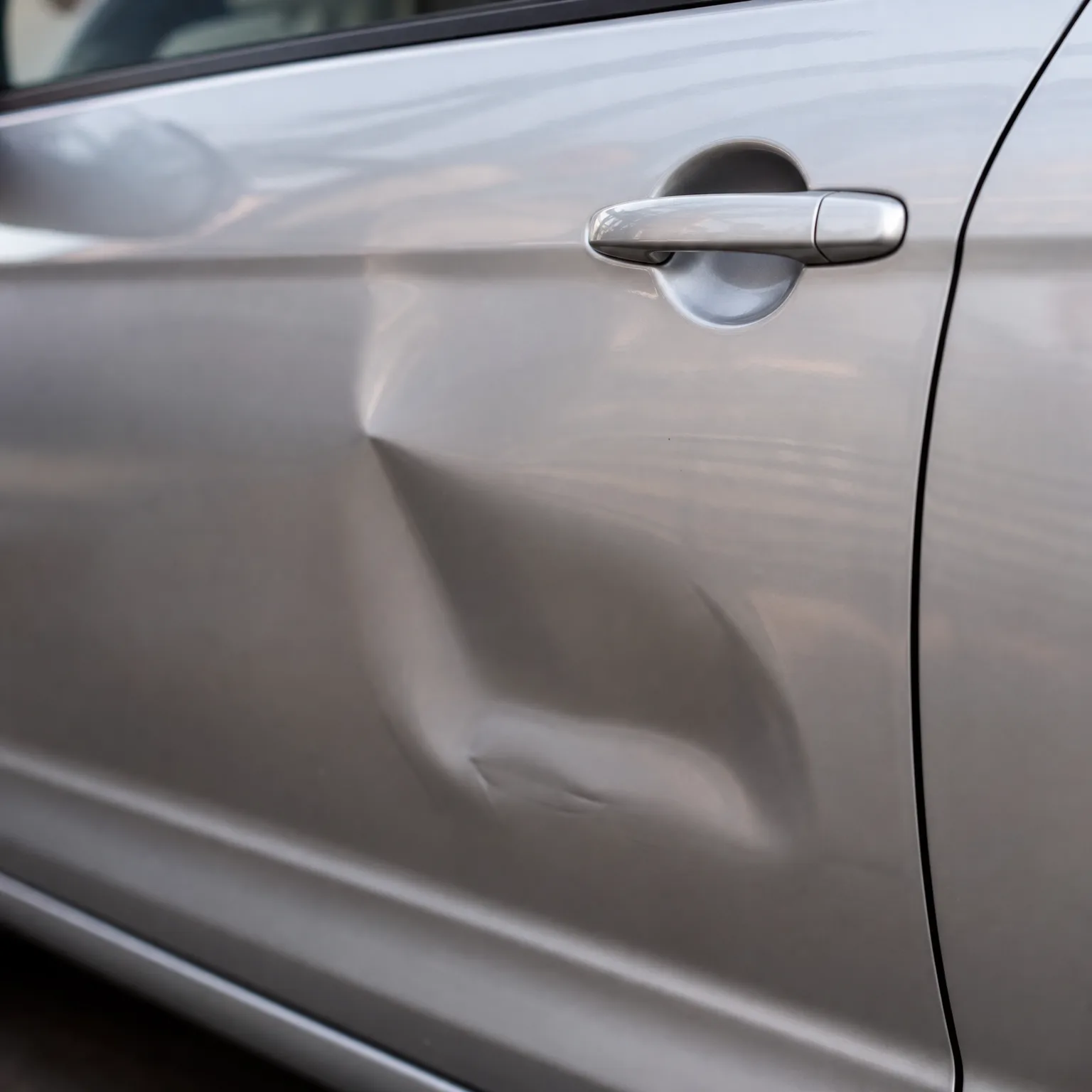
One parent kept their child's old car in the driveway after the child moved out and took their own car instead. The policy still listed full coverage and the original teen driver, even though nobody had driven it in months. The car sat through two winters, and the battery died, the tires developed flat spots from sitting in one position, and when the parent finally tried to start it for a visiting relative, it wouldn't turn over.
After dealing with the repair, the parent called their insurer, updated the driver list to remove the child who no longer lived there and rarely visited, and asked about reducing coverage on a car that wasn't being driven regularly. They also started driving it briefly every couple of weeks, just around the neighborhood, to keep the battery charged and the tires in shape. The next time a visiting relative needed the car, it started without trouble, and the policy reflected how the car was actually being used.
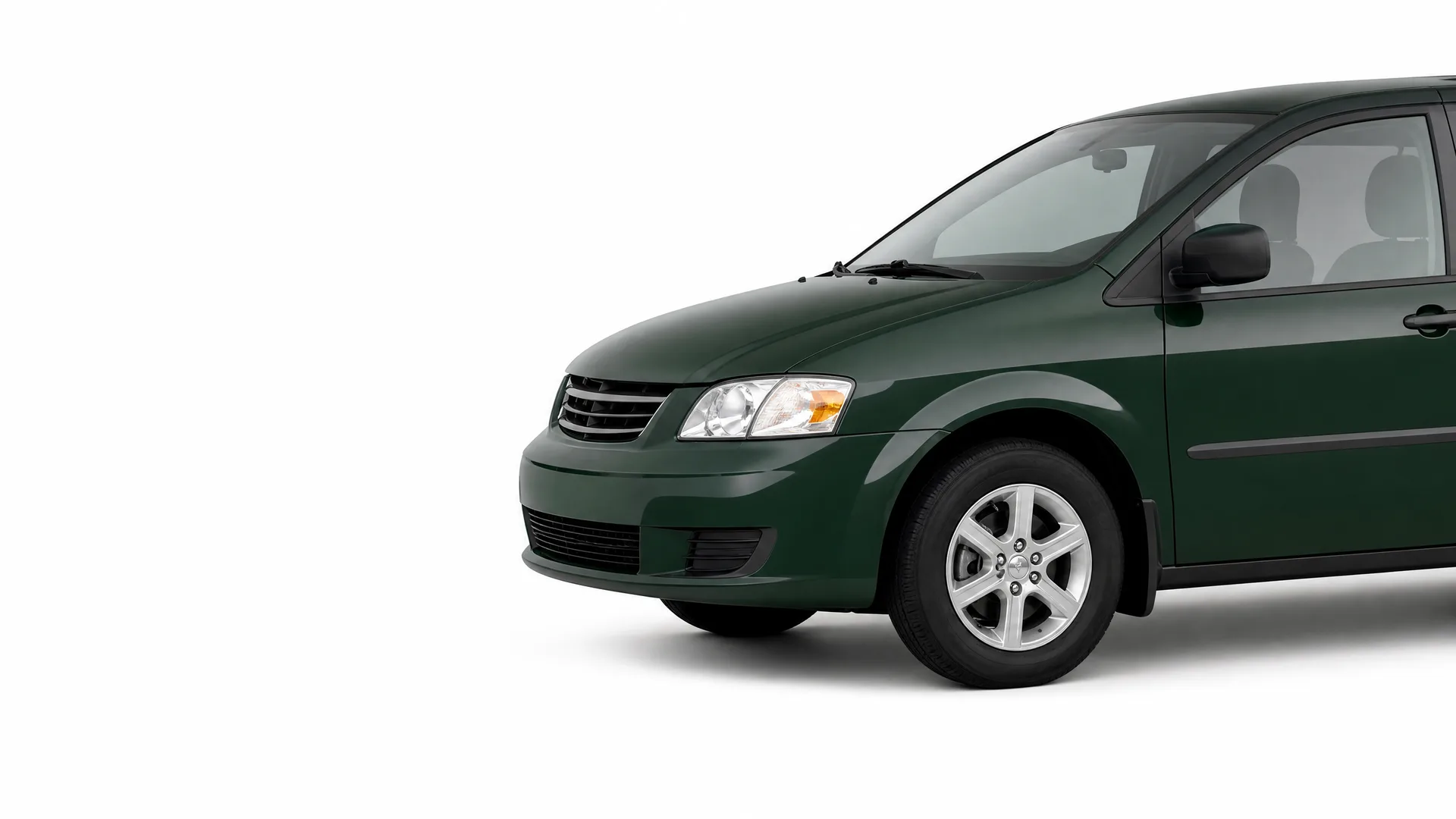
A parked car still needs the right coverage, the right drivers, and occasional driving to stay in shape.