Is It Illegal to Put a Car in a Storage Unit
It's not illegal to store a car in a storage unit, but your facility's rules and your insurance policy still apply.
The law doesn't ban it, but your lease and your policy still govern it
No law makes it illegal to park a car inside a storage unit. Storage facilities are private property, and what you can store there is set by the lease you sign, not by a statute. Some facilities allow vehicle storage freely, others restrict it to certain unit types, and some ban it outright because of fire codes or insurance requirements tied to the building itself.
Where people run into trouble is registration and insurance, not the storage itself. Most states require a car to stay registered and insured even if it never moves, unless you file for a formal exemption like non-operation status. Letting registration or insurance lapse while the car sits in storage can create real problems, separate from anything about the unit.
Insurance is the other piece that works differently than people expect. Standard auto policies assume a car is kept at a home address, so moving it to a storage facility can affect your coverage or your rate, especially if the facility address differs from what's on file. Comprehensive coverage still matters in storage because fire, theft, and water damage happen in storage units too.
Where this gets stricter is facilities themselves. Climate controlled or indoor units often have fuel level limits or battery disconnection rules for fire safety, and violating those terms can void your storage contract even though no law was broken. Always check the facility's vehicle storage policy before you sign, not after you've moved the car in.

What to check before storing a car in a unit
- Facility vehicle policy Ask specifically if vehicle storage is allowed and what conditions apply. Some facilities require a drip pan, low fuel, or a disconnected battery.
- Registration status Decide if the car stays registered or goes into non-operation status. Check your state's rules since an unregistered car driven anywhere is a separate problem.
- Insurance coverage Call your insurer before moving the car, not after. Ask whether storage changes your coverage or premium, and whether comprehensive-only coverage is an option.
- Unit type and size Confirm the unit is actually rated for vehicle storage, since not all units can structurally or legally hold a car's weight.
- Access and ventilation Ask about ventilation rules for fuel and battery safety. Enclosed units with poor airflow may have stricter terms than outdoor covered parking.
Can I cancel my car insurance while it's in storage?
In most states you can't drop insurance entirely and keep the car registered, but you may be able to reduce coverage. Many insurers let you drop liability and collision while keeping comprehensive coverage, which protects against fire, theft, and weather damage while the car sits unused. This often costs less than full coverage while still protecting your investment.
If you want to cancel insurance completely, you typically need to also cancel the registration and file for non-operation status with your state, where that option exists. Driving the car even once with registration active but no insurance is illegal and can trigger lapses that raise future rates. Call your insurer and your state's motor vehicle office before making any changes, since the exact process and whether non-operation status exists at all depends on where you live.
Once you know how you'll insure the car in storage, compare quotes to find the cheapest way to cover it.

Should you keep full coverage while the car is stored
If you do
You keep liability, collision, and comprehensive active. The car stays fully protected if someone else drives it, if it's hit while being moved, or if it's damaged in the unit. You pay more than necessary for a car that isn't on the road, but you avoid any coverage gaps or paperwork.
If you don't
You drop down to comprehensive-only coverage, which still protects against fire, theft, and weather damage. You pay less each month while the car sits unused. If someone drives it without adding coverage back first, there's no liability protection, so you'll need to call your insurer before the car leaves the unit.
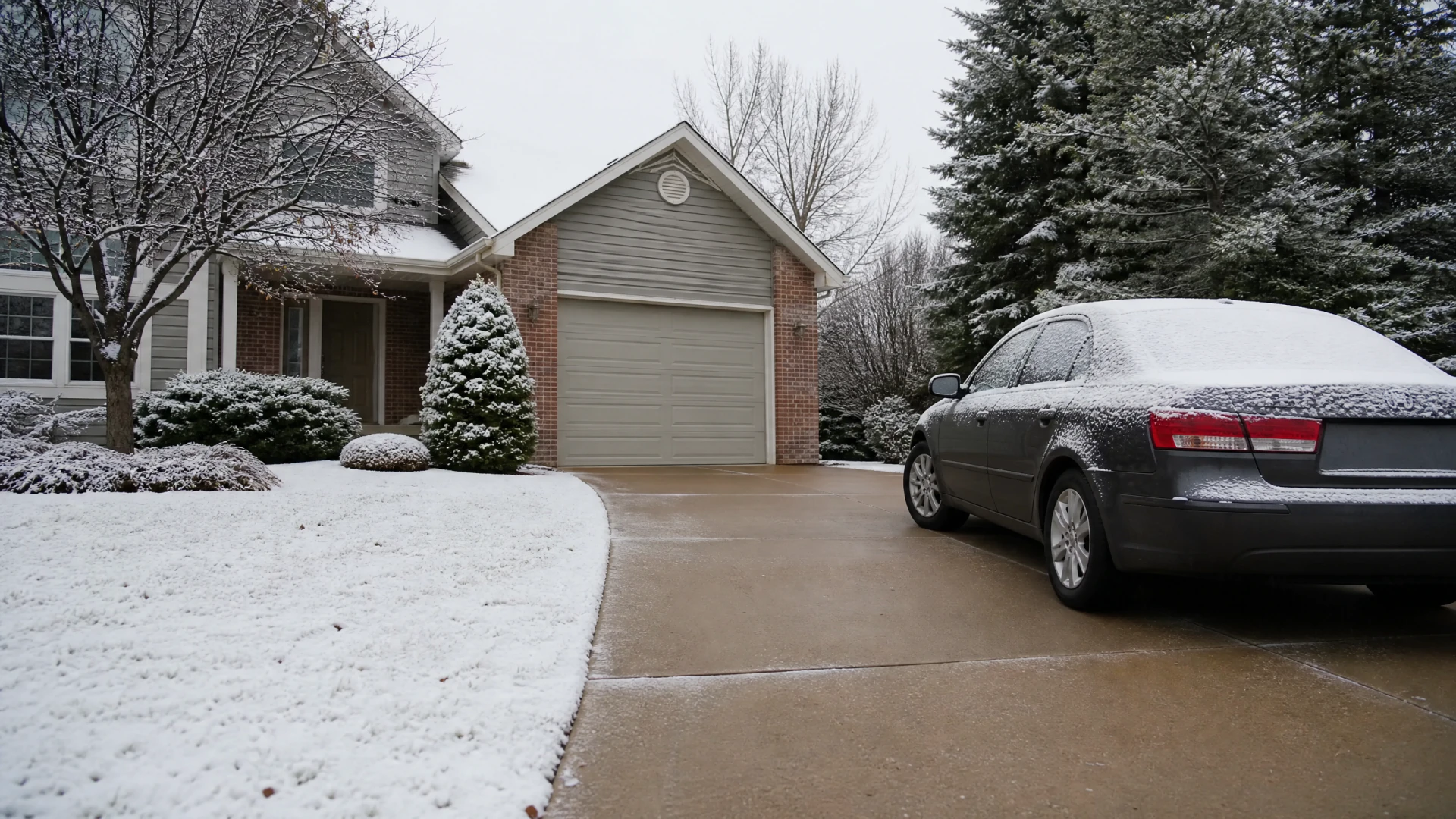
A parent storing a teenager's old car after they moved out
A couple's son moved out for college and left his car behind. Rather than keep it insured and parked in the driveway, they rented a storage unit at a facility that allowed vehicle storage with a few conditions, including keeping the gas tank under half full and disconnecting the battery. Before moving the car, they called their insurer and found out they could drop liability and collision but keep comprehensive coverage, since the car wouldn't be driven.
This cut their premium for that car significantly while still covering it against fire or theft in the unit. When their son came home for the summer and wanted to drive it again, they called their insurer a few days ahead to reinstate full coverage before he got behind the wheel. The facility never had an issue since they followed the storage rules, and the family avoided paying full insurance on a car that sat untouched for most of the year.
Do I need a title or registration to store a car in a unit?
No law requires you to show title or registration to rent a storage unit, since that's a facility policy question, not a legal one. Some facilities ask for proof of ownership to prevent stolen vehicles from being stored, so bring your title or registration just in case. What's required varies by facility, so call ahead and ask what documentation they expect at move-in.
Can a storage facility kick out my car for violating rules?
Yes, storage facilities can remove a vehicle or terminate your lease if you violate their storage terms, since that's governed by your contract, not state law. Common violations include excess fuel, a connected battery, or leaking fluids. Read your lease's vehicle storage clause closely, since remedies and notice periods differ by facility and the fine print matters here.
Does storing a car hurt its resale value?
Proper storage usually protects resale value rather than hurting it, since it shields the car from weather, sun damage, and theft. Value can drop if the car sits with a flat battery, dry-rotted tires, or stale fuel for a long stretch without any maintenance. Check your car's manual for storage guidance on fluids and tire care, since recommendations vary by make and model.