Is It Okay to Store a Car for 6 Months
Yes, it's fine to store a car for six months, as long as you adjust the policy instead of ignoring it.
The coverage has to match what the car is actually doing
A parked car still faces risk. It can be hit by a falling branch, stolen, or damaged in a fire, flood, or garage mishap, even if no one ever turns the key. That's why insurers let you keep a reduced form of coverage, usually comprehensive only, instead of dropping the policy altogether. This protects the car's value without charging you for the parts of coverage tied to actual driving.
What you drop is the liability and collision portion, since those only matter when the car is on the road. Some insurers call this a parked car endorsement, others just remove certain coverages temporarily. The rules for how long you can do this, and whether the car needs to stay parked on private property, vary by insurer and sometimes by state, so it's worth asking directly what your policy allows.
The tricky part is the deadline. If you let comprehensive coverage lapse too, instead of just scaling it back, you risk a gap in continuous coverage. That gap can raise your rates later, even on a different car, because insurers read it as a sign of risk. Keeping at least minimal coverage active avoids that entirely.
Where this plays out differently is when the car belongs to a child who's away but might come home and drive it on visits. In that case, full suspension doesn't work, because the car needs to be insurable the moment it's driven again. The fix is usually to keep it on the policy with reduced coverage rather than removing it entirely.
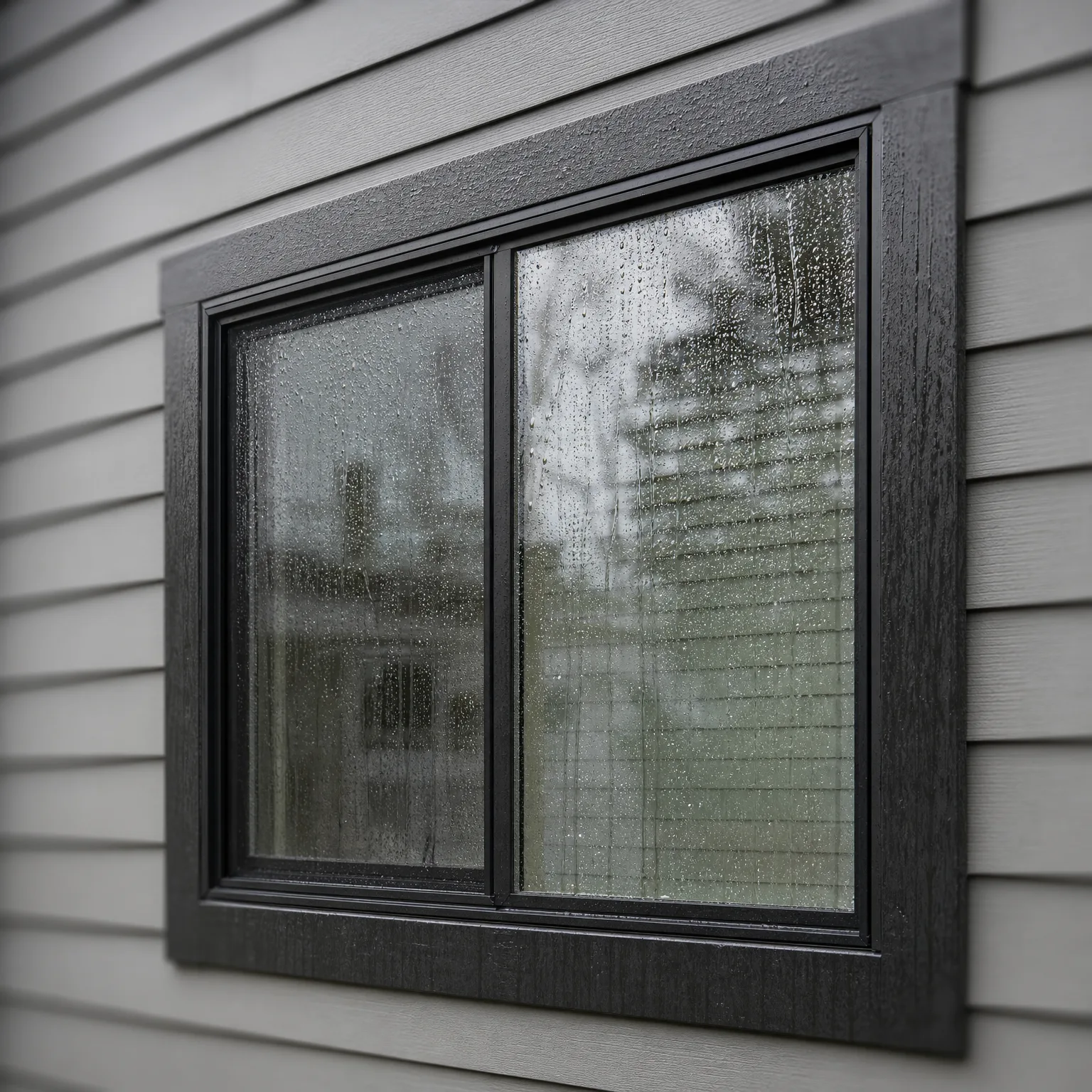
A son's car sits untouched while he's away for a work rotation
A parent calls about a car that's been sitting in the driveway since their son left for a six month assignment out of state. He flew instead of driving, so the car hasn't moved, but it's still registered and still part of the family policy. The parent isn't sure whether to keep paying full coverage, cancel the policy outright, or do something in between.
They ask the insurer about switching to comprehensive only coverage for the parked car, since he won't be driving it and it isn't going anywhere. The insurer confirms the car can stay registered and insured at a reduced level, protecting against theft or weather damage, while dropping the liability and collision pieces that only apply when it's driven. When the son returns and starts driving again, they simply restore full coverage, no new policy needed, no lapse to explain, and no surprise about his car not being insurable the day he's back behind the wheel.
Compare quotes now that you know how to cover a parked car without overpaying or leaving a gap.
Will storing the car lower my insurance bill?
Yes, usually, because you're paying for less coverage. Dropping liability and collision while keeping comprehensive typically costs less than full coverage, since you're only insuring against theft, weather, and similar risks rather than accidents involving driving.
How much it lowers the bill depends on the car, the insurer, and what the full coverage included before. A newer or higher value car will still cost something to insure even at a reduced level, since comprehensive coverage is based on the car's value. It won't usually drop to nothing, but it should be noticeably less than the full policy. The only way to know the exact difference is to ask your insurer directly what reduced coverage would cost for your specific car, since this isn't standardized across companies.

Switch to reduced coverage instead of canceling the policy
If you do
The car stays protected against theft, fire, and weather damage the whole time it's parked. Your coverage stays continuous, so there's no gap to explain later and no rate increase from a lapse. When the car is driven again, you just restore full coverage, no new policy or waiting period required.
If you don't
If you cancel the policy entirely, the car has zero protection while stored, even against something like a tree falling on it. Worse, you create a coverage gap that insurers notice later, which can raise your rates on this car or any future one, even if nothing happened while it sat unused.
Do I need to tell my insurer the car isn't being driven?
Yes, you should tell them, because reduced coverage options usually only apply once you've reported the change. Insurers don't automatically know a car has stopped being driven, so without that call, you keep paying full price for coverage you don't need. Telling them also puts the parked status on record, which matters if you ever file a claim while the car is stored. What to check is whether your insurer requires the car to be parked somewhere specific, like a garage or private driveway, since that can affect eligibility.
Does the car still need to stay registered while it's stored?
It depends on your state, since registration and insurance rules aren't the same everywhere. Some states let you suspend registration for a stored vehicle, which can also pause certain insurance requirements. Others still expect active registration even if the car isn't driven. What to check is your state's motor vehicle agency, since they set the actual rule, not the insurer. This matters because letting registration lapse without checking first can create its own separate problem unrelated to insurance.
What happens if someone drives the stored car just once while it's parked?
If something happens while it's being driven, reduced coverage likely won't cover it, since that coverage assumes the car isn't in use. A single drive to the store or to keep the battery charged could leave you without liability or collision protection if anything goes wrong. What to check is whether your insurer allows occasional starts or short moves without voiding the reduced coverage. If regular driving is likely, even occasionally, full coverage may be the safer and simpler choice instead.