
Is It Worth Doing Multi-Car Insurance
Yes, if you still have more than one car at your address, keeping them on one policy almost always costs less than splitting them up.
Why one policy for multiple cars usually wins
Insurers price multi-car policies lower per vehicle because they're spreading their risk and their paperwork across more premium from one household. You're a single customer with one bill, one renewal date and one set of contacts on file, and that's cheaper for them to manage than two separate accounts. That savings gets passed to you as a discount, and it typically applies as long as the cars are registered to the same address and the same named policyholders.
This changes once the cars stop being a true household fleet. If a car is mostly driven by someone who no longer lives with you, or who has their own address, insurers often see that as a different situation entirely. The discount logic depends on shared risk and shared address, so once that shared piece is gone, so is the reason for the lower rate.
The math also shifts depending on what's sitting in your driveway right now. A rarely driven second car still costs something to insure for liability even if nobody's behind the wheel most days, and keeping it on your policy as a low mileage vehicle is usually cheaper than insuring it alone or dropping coverage and reinsuring it later. If you're considering removing a car entirely, compare what you'd save against what it costs to add it back if someone moves home temporarily.
What varies is how each insurer defines a qualifying household and how they handle a child who's moved out but still occasionally drives a car registered to you. Some will let you keep that car on your policy as long as it's primarily garaged at your address. Others want the driver listed wherever they most often drive. Check your insurer's specific rule before you make changes, since this is the detail that decides whether splitting makes sense for your household.

The short version
Keeping your cars on one multi-car policy almost always costs less than splitting them, as long as they're registered at the same address. The savings come from insuring one household rather than several accounts. Before changing anything, check how your insurer defines household and how they treat a car an adult child still drives occasionally.
Should my adult child get their own policy now that they've moved out?
It depends on whether they still regularly drive a car registered to you. If they've moved out, have their own car, and rarely if ever drive your vehicles, they generally should get their own policy tied to their own address. Keeping them listed on yours when they no longer live there can create coverage gaps if they're in an accident somewhere your insurer doesn't recognize as their actual residence.
If they still come home often and drive a car that stays garaged at your house, many insurers let you keep them listed as an occasional driver rather than removing them completely. This protects you if they're in an accident during a visit. The right move depends on how often they drive your cars, where those cars are actually kept, and what your specific insurer requires, so it's worth a direct call to ask rather than guessing.
Now that you know whether to keep your cars bundled, compare quotes to see what your household actually qualifies for.

Should you keep every car on one policy
If you do
You keep one bill, one renewal, and the multi-car discount on every vehicle still at your address. If a child visits and drives a car that's already listed, you're covered without scrambling to add them. The tradeoff is you're still paying something for a car that barely gets driven, even if it's a reduced amount.
If you don't
Splitting policies means insuring a rarely used car alone, which usually costs more per vehicle than keeping it bundled. You lose the household discount entirely, even on cars you still drive daily. This can make sense if a car truly belongs to someone who moved out, but it usually raises your total cost.
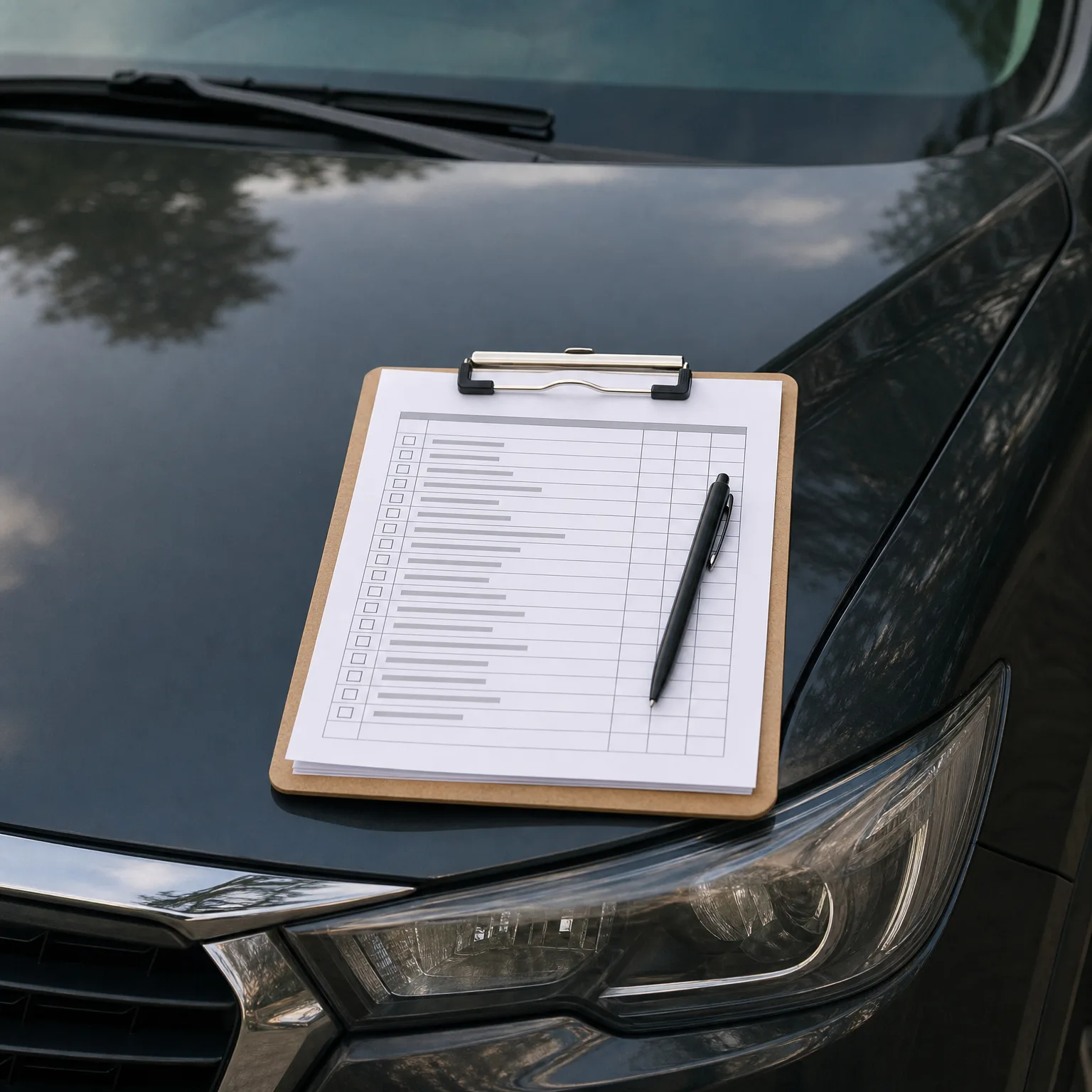
What to check before you remove anyone or anything
- Confirm who still lives there If your child has moved out permanently, they likely need their own policy tied to their new address. If they're still home sometimes, ask your insurer how they classify that.
- Don't drop the extra car yet A car that's rarely driven still usually costs less insured on your policy than reinsured later. Ask about low mileage or occasional use discounts before removing it.
- Separate visiting from living A child who visits and drives your car occasionally is different from one who's moved out and keeps a car there. Tell your insurer the real pattern so coverage matches reality.
- Recheck your discount tiers Removing a driver or a car can shift which discounts you still qualify for, sometimes losing more than it saves. Ask for a breakdown before finalizing any change.
- Decide structure before shopping Compare quotes once you know who's staying on the policy and who isn't. Shopping before that just compares prices for a household that no longer matches your situation.
The real decision isn't what to remove, it's who still genuinely belongs on your policy.