Should I Keep Collision on a 10 Year Old Car
Keep collision only if the car's value still covers a repair bill you couldn't easily pay yourself.
The sedan still sitting in the driveway
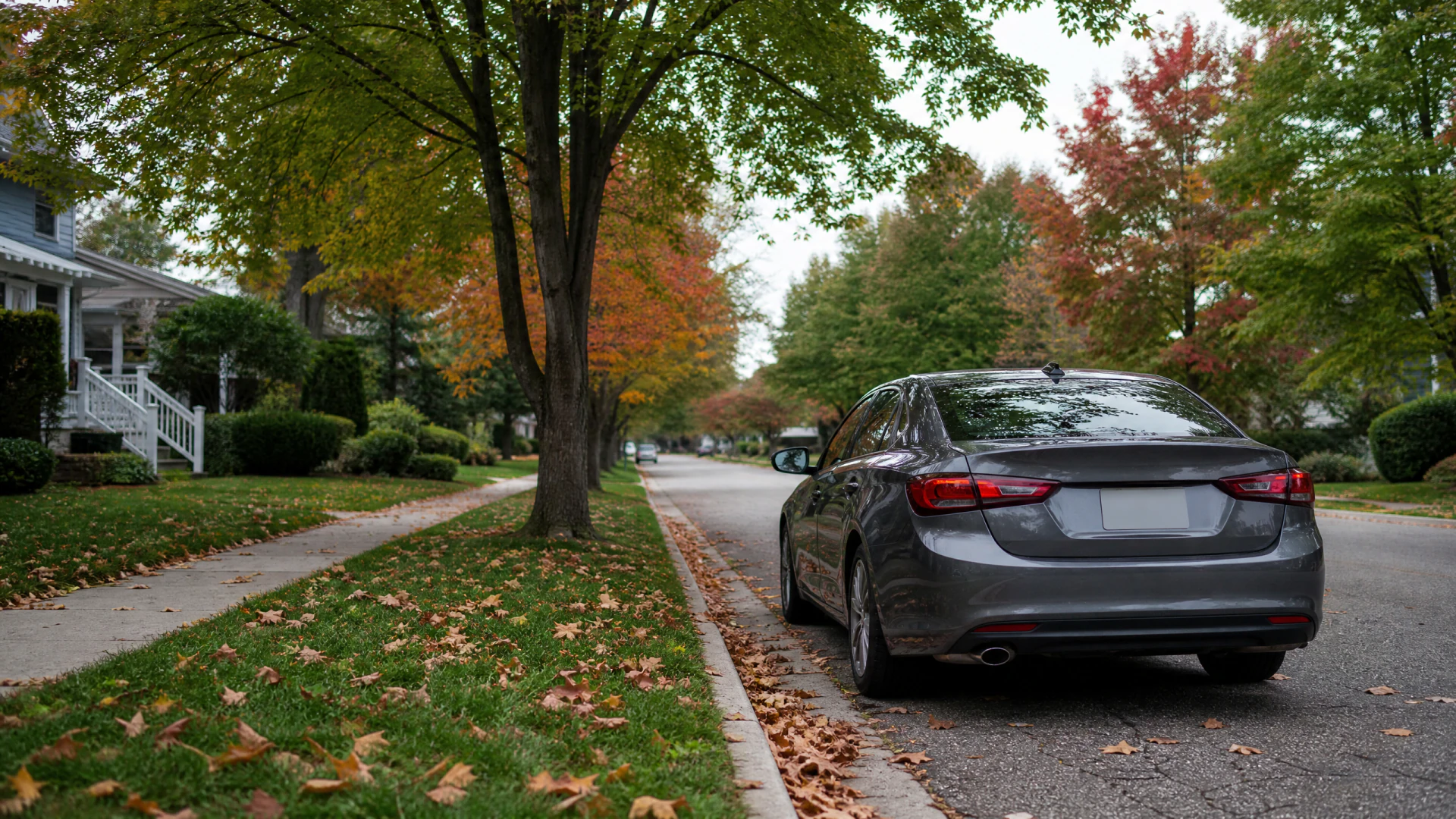
A couple we'll call typical parents had a ten year old sedan that used to be their son's car for school and errands. He moved out two years ago, took his own car with him, and the sedan now sits mostly unused except when one of them drives it to work a few days a week. They were paying full coverage on it out of habit, the same policy structure from when it was a primary car for a new driver.
They checked what the car was actually worth now and compared that to what they were paying for collision coverage plus what a typical deductible would be. The gap was small enough that if the car were totaled, the payout wouldn't be much more than they'd already spent on the coverage over a year or two. They dropped collision, kept liability and comprehensive, and put the difference toward a fund they could use if the car needed repairs or replacement. The car still runs fine, and now the policy actually matches what the car is worth to them.
What if the car gets totaled and I have no collision coverage?
If you don't have collision and the car is totaled in an accident you caused, you pay for a replacement yourself. There's no insurance payout for your own car's damage, only for the other driver's car and injuries if you're at fault.
This is the real tradeoff, not a technicality. You're deciding whether you can absorb that cost yourself in exchange for not paying premiums for coverage that would return less than the car is worth. If you couldn't easily replace the car out of pocket, that's a sign to keep collision even on an older car, regardless of what the math on value versus premium suggests.
The question isn't the car's age, it's whether a payout would still cover a repair worth having.
Once you know whether this car still needs collision, compare quotes to see what dropping or keeping it actually costs.

What actually decides this, car by car
- Current market value Look up what the car would sell for today, not what you paid for it. This number, compared to your premium and deductible, is the real test.
- Your deductible size A high deductible shrinks what you'd actually collect if the car were totaled. Check your current deductible before deciding anything.
- Cost to repair it If a major repair would cost more than the car is worth, insurers may total it instead of fixing it. Ask what your insurer's threshold for that typically looks like.
- Who else drives it If an adult child still drives this car when visiting, that affects risk and sometimes cost. Mention any regular drivers when you requote.
- What you could afford to lose If replacing the car yourself would be painless, dropping collision is lower risk. If it would strain you, that changes the answer even on an older car.
Why this comes down to math, not the car's age
Collision coverage pays out based on the car's value at the time of the accident, not what you paid for it or what it's worth to you personally. As a car ages, that value drops, often faster than people expect. At some point the most you could ever collect gets close to what you've paid in premiums plus your deductible, and the coverage stops making financial sense even though it still technically works the same way.
This is why age is a proxy, not the real answer. A ten year old car that's been well maintained and still has decent market value might be worth covering. A ten year old car that's high mileage or has a less sought after model might not clear that bar at all. The only way to know is to check the actual number, not guess from the car's age alone.
State rules and insurer practices both matter here. Some states set specific standards for how total loss value gets calculated, and insurers vary in how they handle deductibles, rental coverage, and payout timing after a claim. If you're on the fence, ask your insurer directly what they estimate the car's value at and how a claim would actually be handled, rather than relying on a general rule of thumb.
The exception that changes everything is affordability. If losing the car and having to replace it immediately would be a real hardship, that risk might be worth paying for even when the pure math says drop it. Insurance is partly about protecting you from a cost you can't absorb, not only about expected value over time.