Should I Sell the Car After the Kids Move Out
Sell it if nobody's driving it regularly, keep it if your household still actually needs the extra car.
The decision comes down to use, not sentiment
A car sitting mostly unused still costs you in three ways at once. You're paying insurance on it, you're paying for depreciation whether you drive it or not, and you're tying up money that could be doing something else. None of that shows up as a single bill, so it's easy to miss how much an idle car actually costs over a year.
The math changes depending on what the car is worth and how old it is. An older car that's mostly paid for and cheap to insure might be worth keeping as a backup, especially if someone still uses it occasionally or if a visiting adult child drives it when home. A newer car still losing value fast is a different story, because depreciation on an unused asset is pure waste.
Insurance is only part of the cost, but it's the part most tied to your decision right now. If you drop a driver and keep the car, your rate should fall, but the car still needs coverage, registration, and upkeep even parked. If you remove the car entirely, you stop paying for all of it at once, which is often the bigger win than just adjusting who's listed.
The cases where keeping it makes sense usually involve real, regular use. If someone still commutes in it, if it's a reliable backup when another car is in the shop, or if an adult child who hasn't moved far still needs it sometimes, the math can tilt toward keeping. Check with your insurer about how occasional use by a non-resident driver is treated, since that rule varies.
What to look at before deciding
- Track actual mileage Check the odometer against last year's reading. If the car barely moved, that's a strong sign it's not earning its keep.
- Compare total carrying cost Add insurance, registration, and estimated depreciation for the year. Weigh that total against what you'd actually lose by not having a backup car.
- Check driver status first If a child still listed as a driver has moved out and isn't using the car, update that before deciding on the car itself. It affects your rate either way.
- Consider visit frequency If your kid visits often and drives while home, ask your insurer how that's handled. Some allow occasional use without listing them full-time.
- Price out selling versus keeping Get a real trade-in or private sale estimate, not a guess. Compare that cash value against a year of carrying costs before deciding.
A family with one car nobody was driving
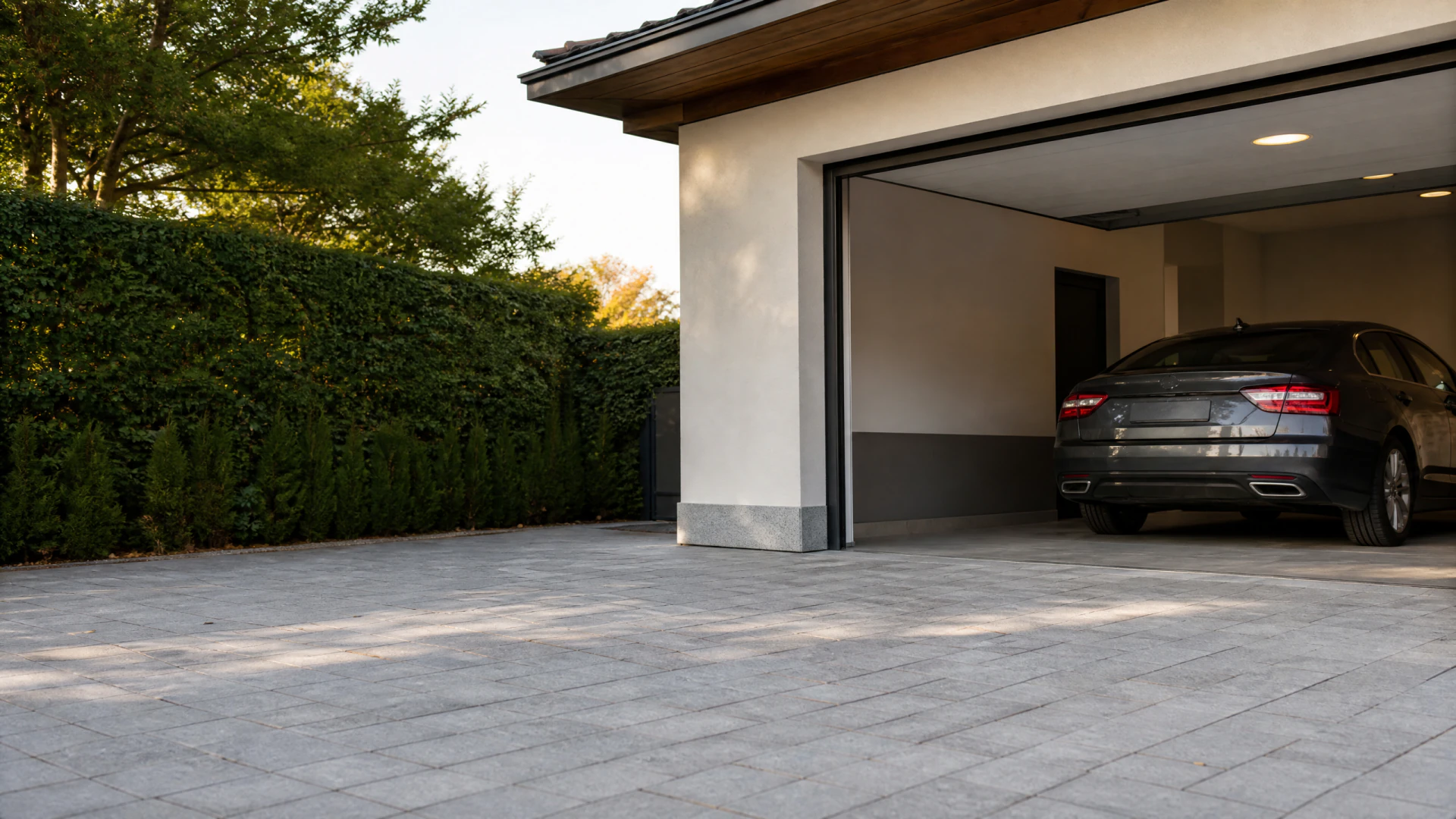
A couple had two cars and two kids who used to share one of them for school and errands. Once both kids moved out within a year of each other, that second car sat in the driveway most days, driven only when one of them visited every few months. The parents kept paying full insurance on it without really noticing, assuming they needed it in case someone was home.
They tracked the mileage over a few months and saw it barely moved except on visit weekends. They called their insurer to ask how a visiting driver would be covered if they sold the car and relied on a rental or the remaining family car during visits. Once they confirmed that worked fine, they sold the second car. They dropped the insurance entirely rather than adjusting it, and the money saved on insurance, registration, and the eventual depreciation loss was more than they expected. The one car left in the house covered what they actually needed day to day.
Once you've decided whether to keep or sell the extra car, compare quotes to match coverage to what you actually need.

Does removing a car from my policy lower my rate right away?
Yes, in most cases the change takes effect as soon as you report it, and your premium adjusts for the remaining cars and drivers. The exact timing can depend on your insurer and your billing cycle, so ask whether it's immediate or starts at your next renewal. If you're mid-term, you may get a partial refund for the unused coverage rather than waiting for the policy to end.
Should my adult child get their own policy when they move out?
It depends on whether they still drive your car regularly or have their own car at their new address. If they have a car and a permanent address elsewhere, they generally need their own policy, since insurers expect coverage to follow where a car is kept and driven. If they're still borrowing your car occasionally, staying on your policy as an occasional driver is often simpler and cheaper for everyone involved. Check your insurer's specific rule on this, since it varies.
What happens to my rate if my child visits and drives my car often?
It depends on how often and how your insurer defines a resident versus occasional driver. If visits are frequent and predictable, some insurers want you to list them, which could raise your rate. If visits are rare, most insurers are fine treating it as occasional use under your existing policy. Ask your insurer directly what threshold triggers needing to list someone, since this rule isn't consistent across companies.
The real cost isn't the car itself, it's paying full price every year for a car that mostly just sits there.