What Does Garaging Address Mean for Insurance
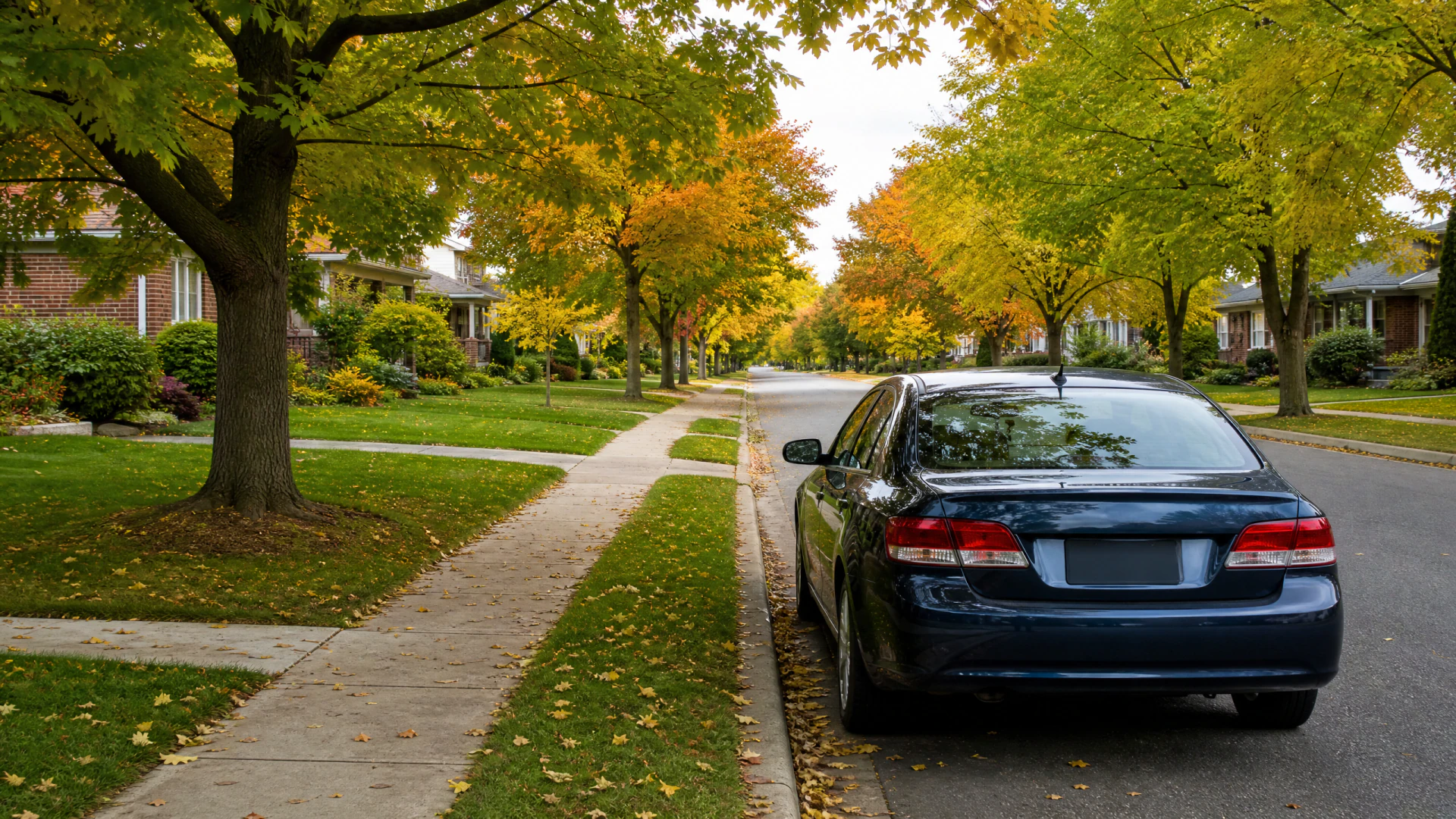
Garaging address is the place your car is parked most nights, and it's a main reason your rate looks the way it does.
Your rate is built around where the car actually sits overnight
Insurers price a policy around risk, and a huge part of that risk comes from geography. Where a car spends its nights determines the odds of theft, vandalism, weather damage, and the kind of traffic it will face on an average day. That's why the address on file matters as much as who's driving.
This is also why your garaging address isn't always the same as your mailing address. If your son moved out and took his car with him, that car's garaging address should now be wherever he actually parks it, not your driveway. If a car still lives at your house even though the driver visits often from elsewhere, your address is still the right one to list, because the car's location is what counts, not the driver's.
When a child moves to their own place, the honest move is to update the garaging address for any car that goes with them, and to have them get their own policy once they're consistently living and driving somewhere else. Keeping their old car listed at your address when it never comes home anymore can understate the actual risk and create problems if a claim is ever filed.
What counts as proof of garaging, and how strictly insurers check it, varies by company and by state. Some ask for nothing until a claim happens, others verify addresses more routinely. Check with your insurer directly about what they require and how changes to garaging address affect your specific cars.

When one kid moves out but still visits on weekends
Say your daughter moved into her own apartment across town two years ago, took her car with her, but is still listed as a driver on your policy because nobody updated anything. The car hasn't been in your driveway in months except for holiday visits, yet it's still showing your home address as its garaging location. That mismatch is exactly the kind of thing that creates problems later, even if nothing has gone wrong yet.
The fix is simple. You call your insurer, update the garaging address for her car to her new place, and ask whether she should move to her own policy now that she's living independently. In this case she gets her own policy, her car's address changes to reflect where it actually sits every night, and your policy shrinks to reflect the household you actually have now. The visits home don't change anything, because occasional driving in your car while visiting doesn't require her to be a listed driver on your policy, just covered as a permissive user when she borrows it.

Now that you know which address belongs on which car, compare quotes to see what your updated household actually costs.

What changes once you update garaging addresses correctly
- Match address to car's location List each car at the address where it actually parks most nights. If a car moved out with a kid, its address should move too.
- A moved-out kid needs own policy Once a child lives and drives somewhere else consistently, they usually need their own policy rather than staying on yours.
- Visits don't require relisting A grown kid driving your car during a visit is covered as a permissive user. You don't need to re-add them as a driver for that.
- Extra cars need their own answer A car sitting unused in your driveway still needs an honest garaging address and the right coverage level, not just removal of a driver.
- Rules vary, so ask directly How strictly garaging address is verified and what proof is needed varies by company and state. Ask directly before assuming.

The address on the policy should match where the car sleeps tonight, not where your family used to live.
Do I need to prove where the car is actually garaged?
Sometimes, but not usually upfront. Most insurers take your word when you set up or update a policy, and they don't ask for proof like a lease or utility bill unless something triggers a closer look, most often a claim.
Where this becomes serious is if a claim happens and the garaging address turns out to be wrong. If a car was actually living somewhere other than what the policy listed, the insurer may question the claim or adjust how it's handled, because the pricing was based on the wrong location's risk. This is less about day to day enforcement and more about the moment something goes wrong. Keeping the address accurate as your household changes is the simplest way to avoid that moment ever becoming a problem, and it's worth asking your specific insurer what they require so you know exactly where you stand.