What Happens When You Leave a Car Sitting for 2 Years
A car left for two years still needs coverage decisions made on purpose, not by default.
What actually changes when a car sits for two years
- Coverage shouldn't lapse If the policy lapses, you lose the continuous coverage history that keeps future rates reasonable. Switch to a parked-car or comprehensive-only option instead of cancelling outright.
- Liability can usually drop If nobody is driving the car, you likely don't need liability coverage on it. Keep comprehensive so theft, fire, or storm damage is still covered while it sits.
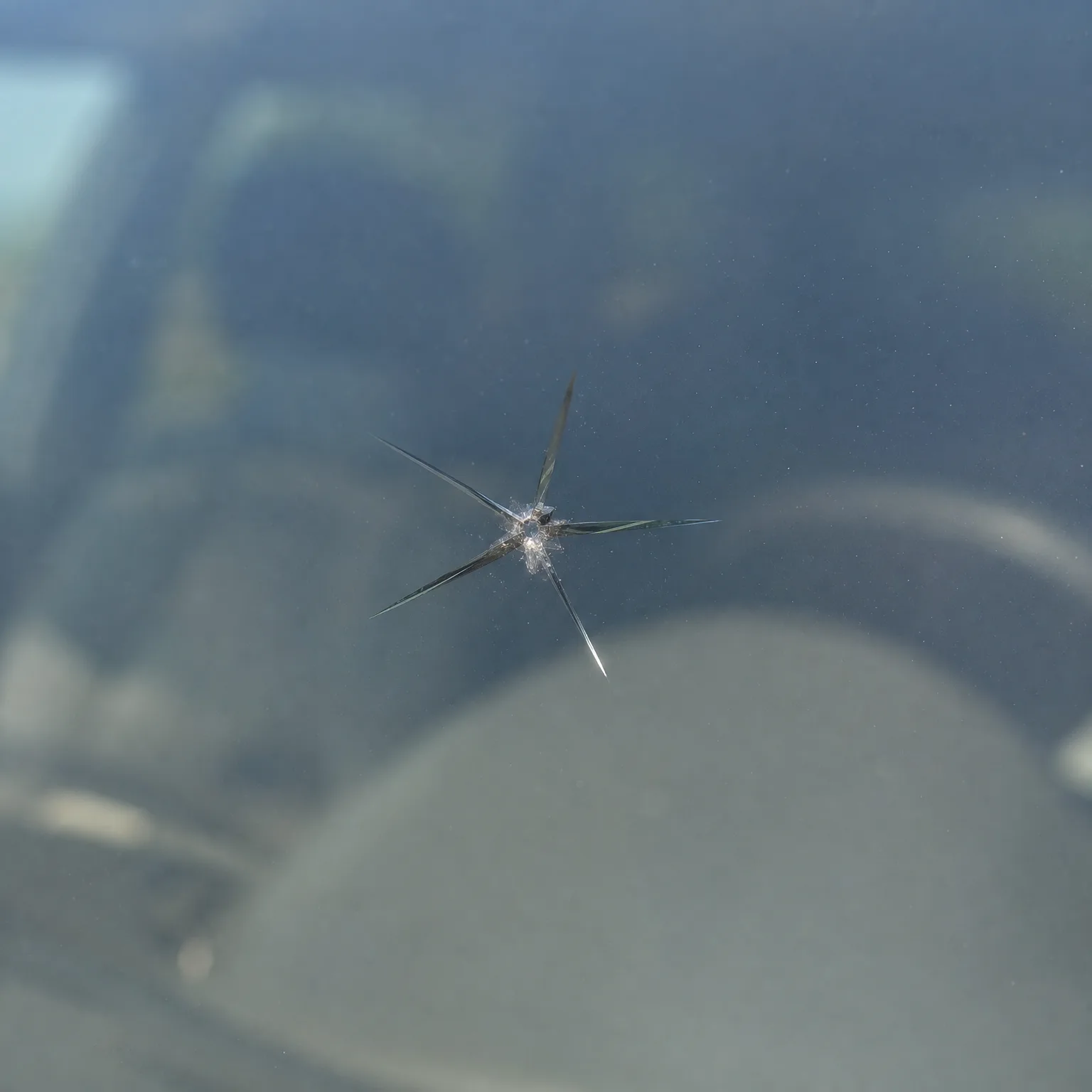
- The car still needs a look Two years of sitting can mean a dead battery, flat spots on tires, or rodent damage nobody caught early. Check on it physically every so often, not just the policy.
- Registration rules vary Some states let you suspend registration on a car that isn't driven, others don't. Check your state's rules before assuming you can skip it along with insurance.
- Restarting takes a step Before anyone drives the car again, the policy needs liability added back before it touches the road. Don't assume a lapsed or reduced policy reactivates itself the moment the key turns.

The short version
When a car sits unused for two years, you usually don't need liability coverage on it, but you still need comprehensive to protect against theft or damage, and you should never let the policy lapse completely. Switch to a reduced coverage option instead. Before anyone drives it again, add liability back first.
A son's old car sits in the driveway for two years
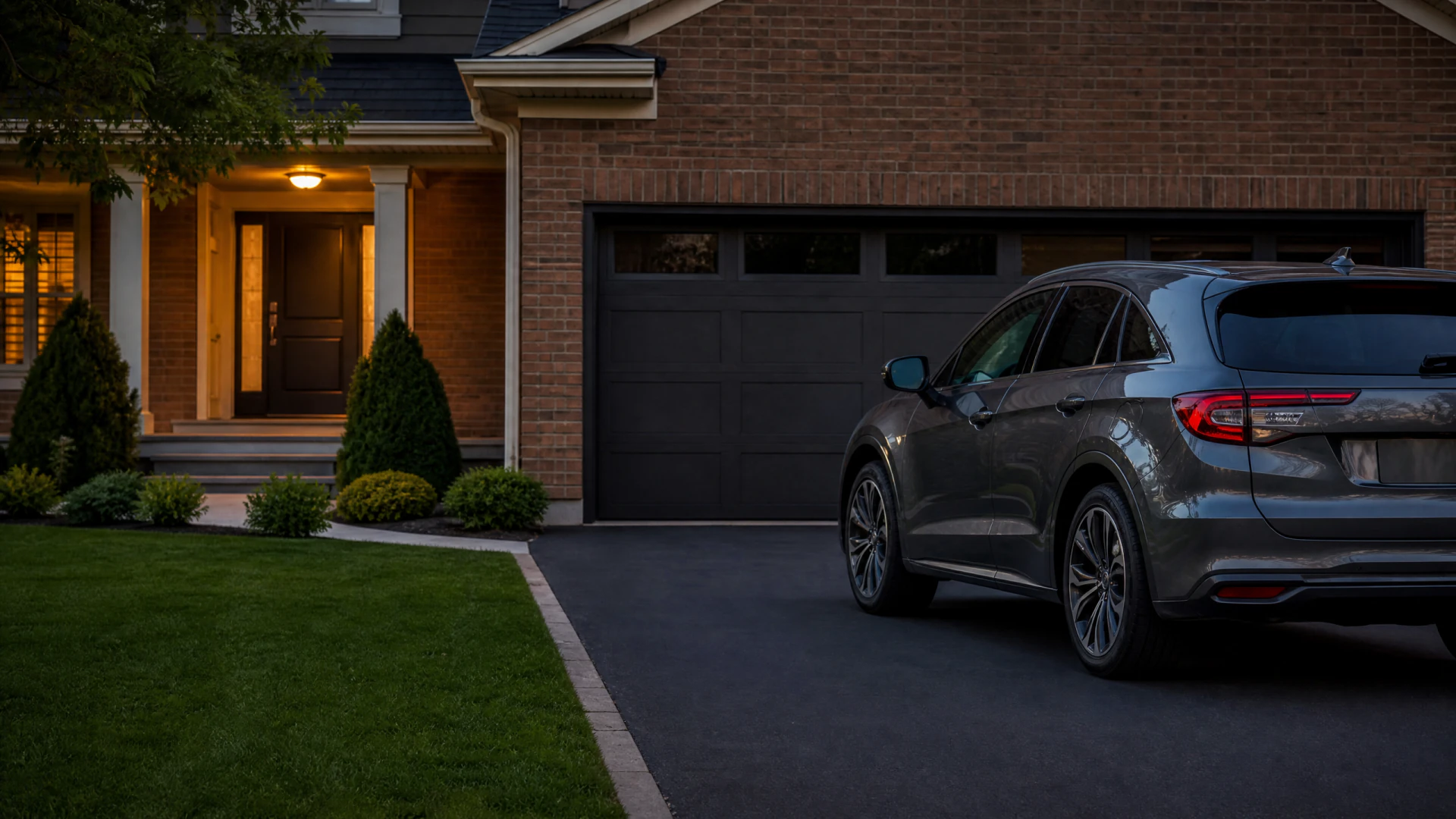
One couple kept their son's car after he moved out, figuring he might come back for it eventually. For two years it sat in the driveway while they kept paying full coverage, including liability, because nobody had told them anything could change. When they finally called to ask about dropping their son from the policy, they mentioned the unused car almost as an afterthought.
Their agent walked them through switching that car to comprehensive-only coverage, since nobody was driving it and liability wasn't doing anything for them. They kept comprehensive so if a tree fell on it or someone broke in, they were still covered. The car sat for another several months before their son finally came to get it, and when he did, they called ahead to add liability back on for the weekend he planned to drive it home. The switch took one phone call each way, and in between they'd been paying for coverage that actually matched what was happening in their driveway instead of what used to be true.
Once you know this car only needs reduced coverage while it sits, compare quotes to see what that actually costs.

Switching to reduced coverage versus leaving the policy as is
If you do
You drop liability on the unused car and keep comprehensive. Your bill goes down right away. The car stays protected against theft, fire, and weather. When someone's ready to drive it again, you call and add liability back before it leaves the driveway. Nothing lapses, nothing gets complicated.
If you don't
You keep paying for liability coverage a parked car doesn't use. Nothing bad happens immediately, but you're spending money every month for protection that isn't doing anything. Eventually you notice, or an agent asks why that car's still fully covered, and you realize the extra cost had no reason behind it.
Why the coverage you need changes even though the car hasn't moved
Liability coverage exists to pay for damage or injury you cause while driving. If a car never leaves the driveway, it can't cause an accident, so that part of the policy has nothing to protect against. Comprehensive is different because it covers things that happen to the car regardless of whether anyone drives it, like theft, vandalism, fire, or a tree falling on it during a storm.
This is why insurers typically let you reduce a parked car to comprehensive-only instead of requiring full coverage or forcing you to cancel the policy entirely. Keeping some form of continuous coverage matters because insurers look at coverage history when pricing future policies. A full lapse, even on a car nobody's driving, can make you look like a higher risk later, even though the real story is just that the car was sitting unused.
What counts as parked, and whether you can suspend registration alongside the insurance, depends on your state and sometimes your insurer. Some states require continuous registration unless you formally file the car as non-operational. Others are more flexible. This is worth checking directly rather than assuming, because the rules about registration and insurance don't always move together.
The exception is if there's any chance someone drives the car occasionally, even briefly, to keep the battery alive or move it in the driveway. In that case dropping liability entirely isn't safe, because even a short drive without it leaves you exposed. If that's the situation, a low-mileage or occasional-use policy might fit better than a fully parked one.