What Should I Do if My Car Has Been Sitting for a Year
Before you drive it again, check your coverage, your battery, and your tires, in that order.
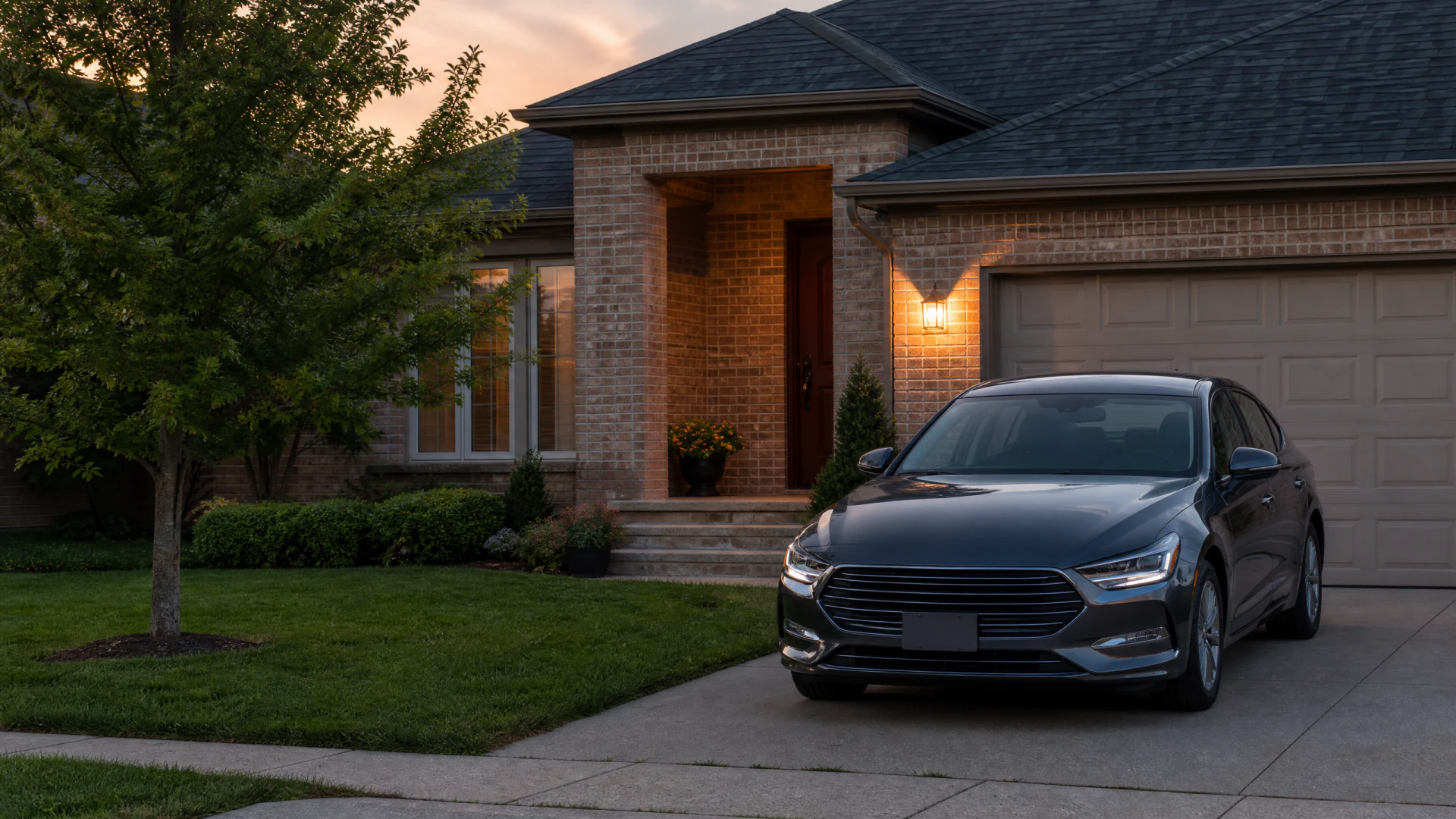
A son's old sedan, parked since he moved abroad
One couple had a car sitting in the driveway since their son left for a job overseas. The policy was still active because they'd forgotten to change anything, and they'd been paying for full coverage on a car nobody drove for twelve months. When they finally looked into it, they realized they'd overpaid for a year of coverage on a parked car that only needed protection against theft, fire, or weather damage, not liability for driving.
They called to switch it to a parked-car only coverage the month after he left, which would have saved them money the whole time. Once they decided to actually use the car again, maybe when he visits or a younger sibling needs it, they had it inspected first. The battery was dead and needed replacing, the tires had flat spots from sitting, and the fluids needed checking before anyone turned the key and drove off. Only after that did they call to restore full coverage, timed to start the same day someone planned to drive it.
Do I need to tell my insurer the car wasn't being driven?
Yes, you should let them know, especially if you're making changes to the policy now. Insurers care about how a car is used because it affects risk, and a car that's been parked for a year is a different risk than one driven daily.
If you switch to a coverage level meant for stored vehicles, you're already telling them. If you didn't make that switch and the policy stayed the same, there's no requirement to report idle time after the fact, but it's worth asking when you reactivate full coverage whether anything about the year of storage affects your rate or options going forward.

A parked car is a different risk than a driven one, and your coverage should match whichever it is.
Once you know what coverage this car actually needs now, compare quotes to see what it should cost going forward.
Insurance is priced on risk, and a parked car carries a different kind
Car insurance exists to cover the cost of accidents, and a car that isn't being driven can't be in an accident on the road. That's why insurers offer reduced coverage options for vehicles that are stored rather than driven, usually covering non-collision risks like theft, vandalism, fire, or weather, without paying for the liability and collision coverage that only matters when the car is actually moving.
The reasoning underneath this is simple. Insurers set prices based on the chance you'll file a claim, and a car sitting in a driveway or garage has a much lower chance of being in a collision than one driven to work every day. When you tell your insurer the car is parked, you're giving them accurate information, and accurate information usually works in your favor on price.
Where this gets more complicated is in how each insurer defines a stored or parked vehicle, and what exactly that coverage includes. Some require the car to be on private property the whole time, others have different rules about what counts as use. This varies by insurer and sometimes by state, so it's worth asking directly what counts as parked and what the reduced coverage actually protects against before you assume it matches what you need.
The other piece worth understanding is that dropping coverage entirely, rather than reducing it, usually isn't a good option if the car is registered and sitting somewhere it could be stolen or damaged. Most states require at least some continuous coverage to keep a car legally registered, so check what your state requires before canceling anything outright.

Can I cancel insurance completely on a car that's not being driven?
In most places, no, not if the car stays registered, since registration usually requires at least minimal continuous coverage. If you're not driving it and don't need it registered, you could cancel and deregister it instead, but then you'd need to re-register and reinsure before driving it again, which takes time and sometimes an inspection. Check your state's rules on registration and lapses before deciding, since letting coverage lapse without deregistering can also affect your rates later.
Will my insurance rates go up after a year of not driving the car at all?
Not driving a car doesn't raise your rates, but a lapse in continuous coverage can, so the two aren't the same thing. If you kept the policy active the whole time, even at a reduced level, you likely avoided any lapse penalty. If you let coverage drop entirely at any point, ask your insurer directly how that gap is treated, since this varies and some weigh it more heavily than others when you reactivate full coverage.
Does a car sitting for a year need a new inspection before I can drive it?
Likely yes, and it's worth doing even if it's not required, since tires, batteries, and fluids all degrade with time rather than mileage. Some states require a safety or emissions inspection before you can re-register a vehicle that's been off the road, so check your state's requirements before you drive it. Even where it's not required, a basic mechanical check before getting back on the road is worth the time.