Will Cars Rust if Stored Outdoors
Yes, cars stored outdoors can rust, but the right prep and a cover slow it down to almost nothing in most climates.
What actually determines whether your car rusts outside
- Your climate Humidity, coastal air, and road salt speed up rust far more than dry heat ever will. If you're in a wet or salty region, outdoor storage carries real risk and needs more prep.
- A breathable cover A cover keeps rain, dew, and bird droppings off the paint without trapping moisture underneath. Skip plastic tarps, they hold condensation against the metal and make things worse.
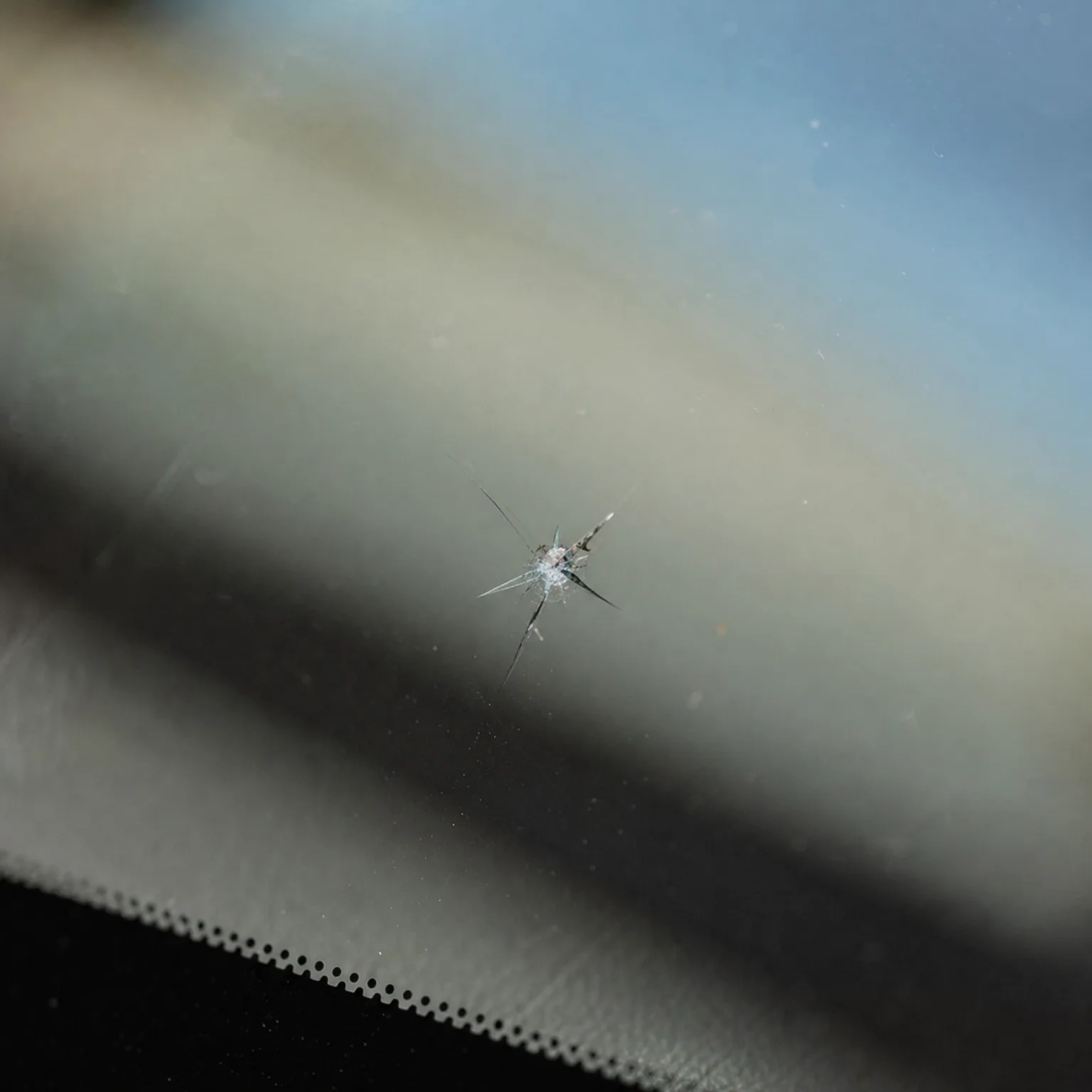
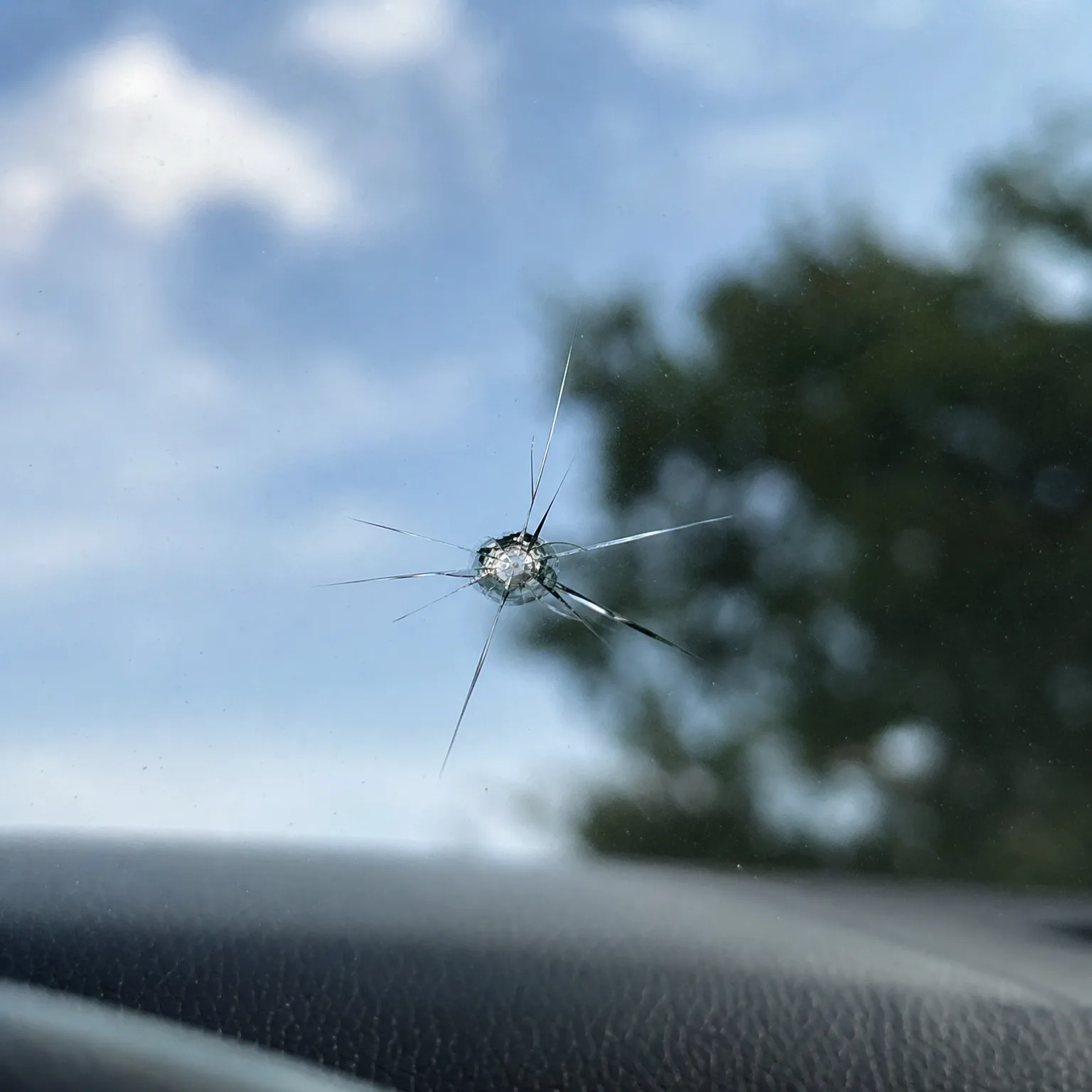
- Existing paint damage Chips and scratches expose bare metal, which is where rust actually starts. Touch up any nicks before the car sits outside for a long stretch.
- Where you park Parking under trees or near sprinklers keeps the car damp longer than open, sunlit ground. Pick a spot that dries out quickly after rain.
- How often it's driven A car that sits untouched collects moisture in spots that never dry. Starting it and moving it occasionally keeps air circulating underneath.
Does my insurance cover rust damage from outdoor storage?
No, rust from normal weather exposure is considered wear and maintenance, not a covered loss. Insurance pays for sudden, specific events like a storm, flood, fire, or collision, not the slow corrosion that comes from a car sitting outside over time.
There's a narrow exception. If a covered event, like a flood or hailstorm, damages the paint or metal and rust develops afterward as a direct result, that follow-on damage may be covered under comprehensive coverage. The key is whether an insurer would trace the rust back to one specific incident versus months of ordinary exposure.
If you're storing a car outside for a long period, check your policy's comprehensive terms and ask what documentation you'd need if a covered event caused damage later. Don't expect routine rust to be treated the same way.
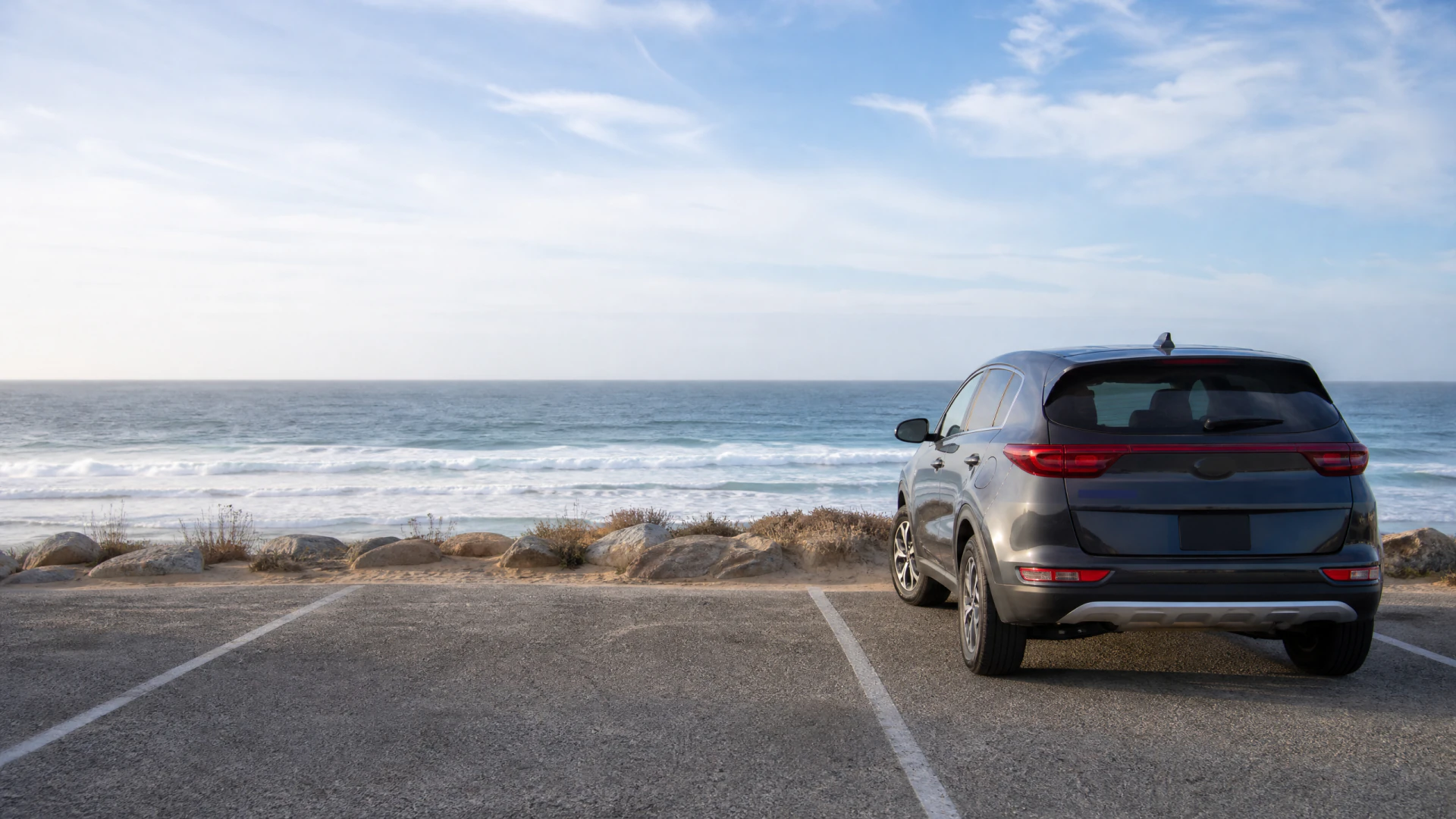
Now that you know what protects a car outdoors, compare quotes to find coverage that fits how you store it.

A parent storing a teen's old car in the driveway
A couple in a humid coastal town had their son's old sedan sitting in the driveway after he left for college. It was driven once a month at most. After a year, they noticed small rust spots forming around the wheel wells and under the doors, right where road salt and moisture had been sitting against the metal all winter.
They bought a breathable cover and started parking it on a slightly raised section of the driveway that drained better than the low spot it had been sitting in. They also touched up a few paint chips they'd been ignoring and made a habit of starting the car every couple weeks. The rust didn't spread further, and when they eventually sold the car, the surface rust was minor enough that it barely affected the price. The bigger lesson for them was that the car being idle, not just outdoors, was what let the moisture sit long enough to do damage.
Why some outdoor cars rust fast and others barely at all
Rust needs three things to form: iron, oxygen, and moisture, all present together for long enough. A car sitting outside doesn't automatically have all three in the right combination. What matters is how long moisture stays in contact with exposed metal, not just whether the car is under a roof or not.
This is why climate does most of the work in determining outcome. A car stored outside in a dry, low-humidity region can go years with barely any rust, because moisture evaporates quickly and never lingers. The same car stored outside in a humid or coastal area, especially one where roads get salted in winter, will rust far faster because the moisture and salt stay in contact with the metal for days or weeks at a time.
Paint and coating condition matter almost as much as climate. A car's paint is its first line of defense, and once it's breached by a chip, scratch, or worn clear coat, bare metal is exposed directly to the air. That's usually where rust starts, not on an intact painted surface. This is also why older cars or ones with existing body damage are more vulnerable outdoors than newer ones with intact factory coatings.
The exceptions run both ways. A well-covered, well-maintained car in a dry climate can sit outside for years with no issues, while a neglected car in a humid area can rust badly even in a garage if moisture gets trapped inside. Storage location matters less than consistent care, dry conditions, and catching small paint damage before it becomes a bigger problem.
It's not outdoor storage that causes rust, it's trapped moisture, so fix how the car dries.